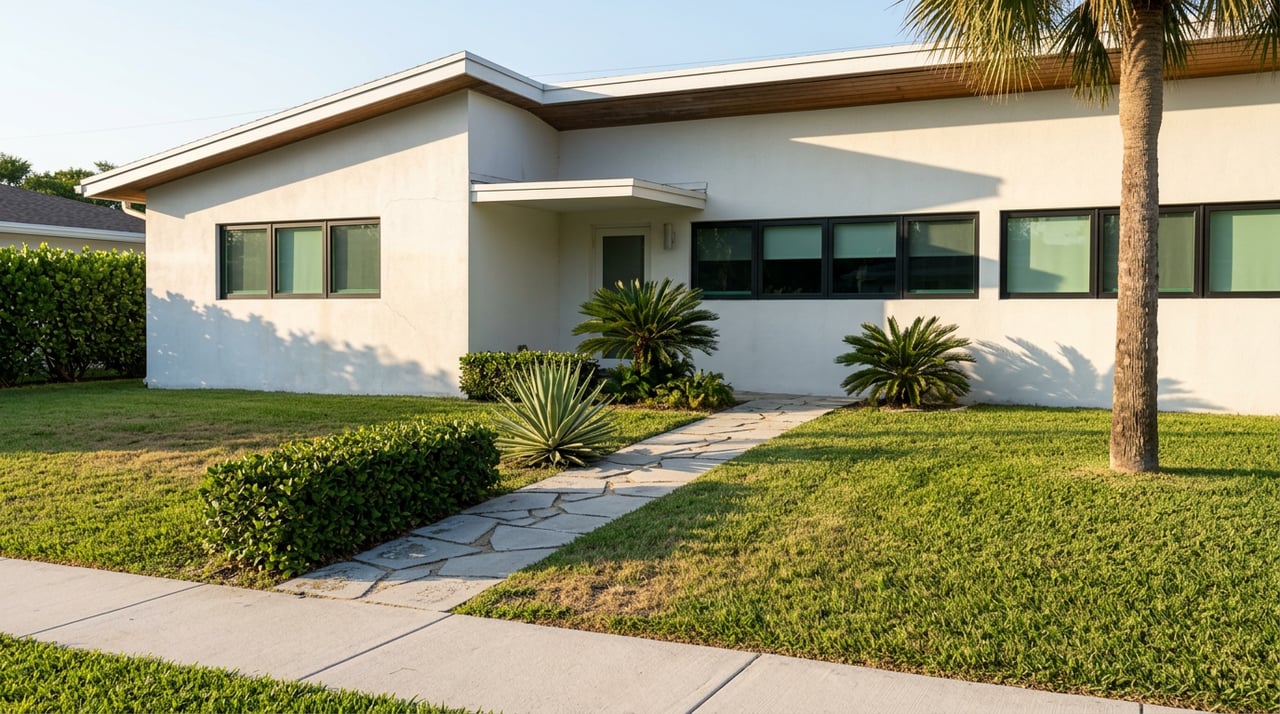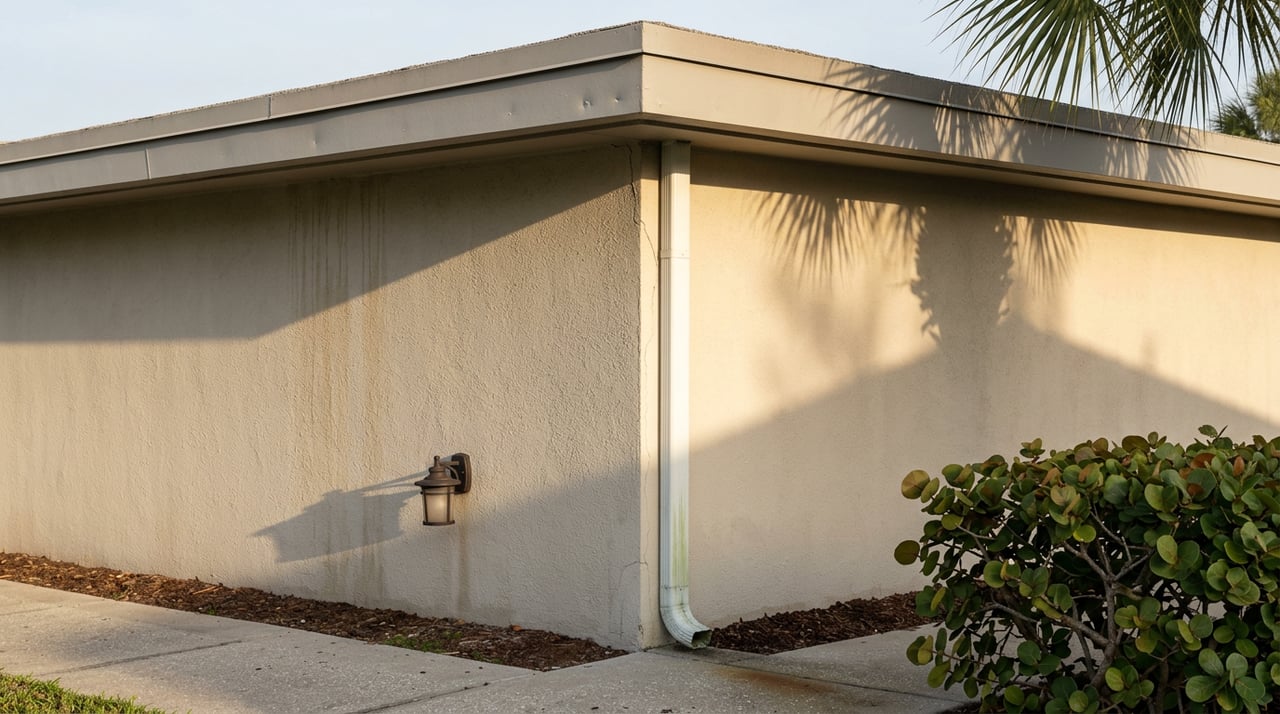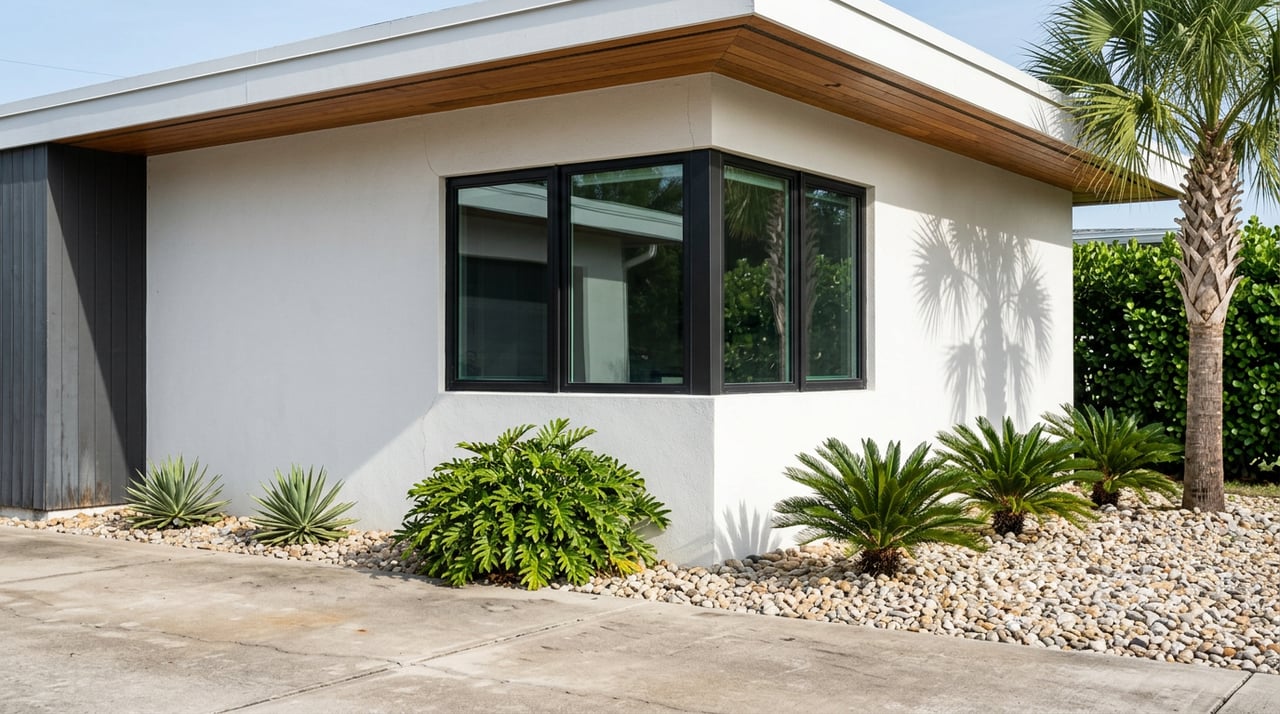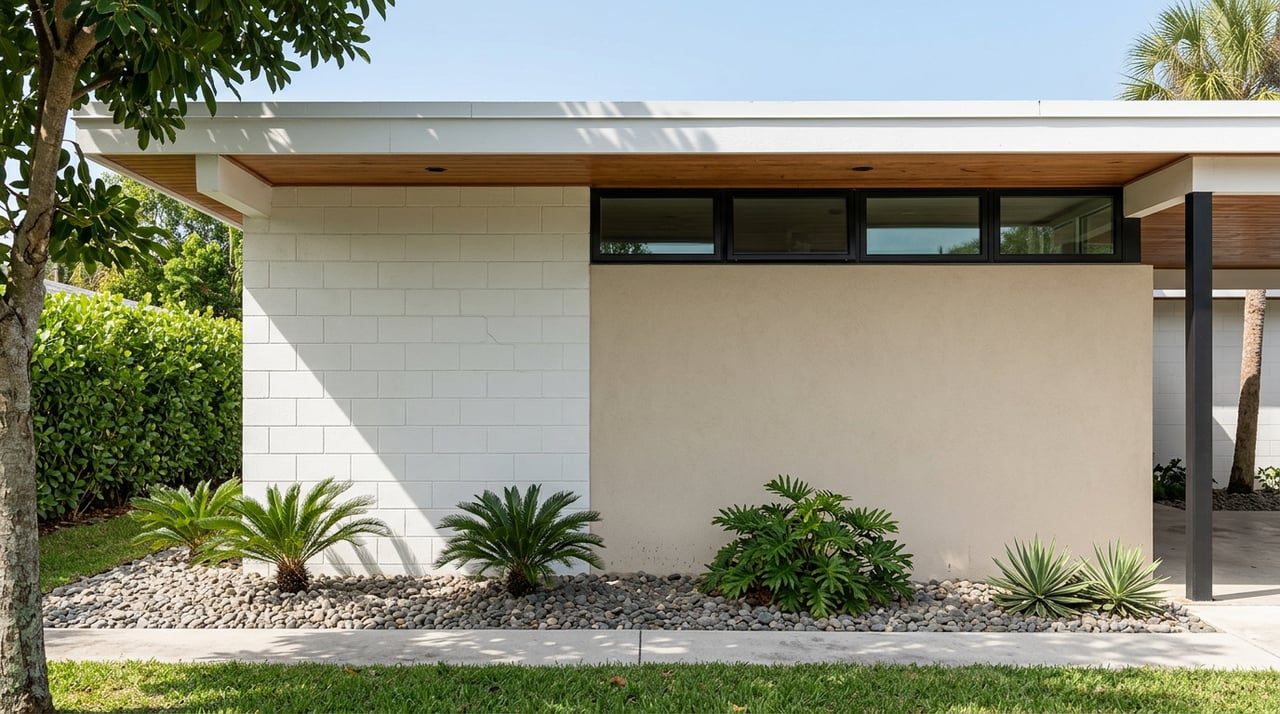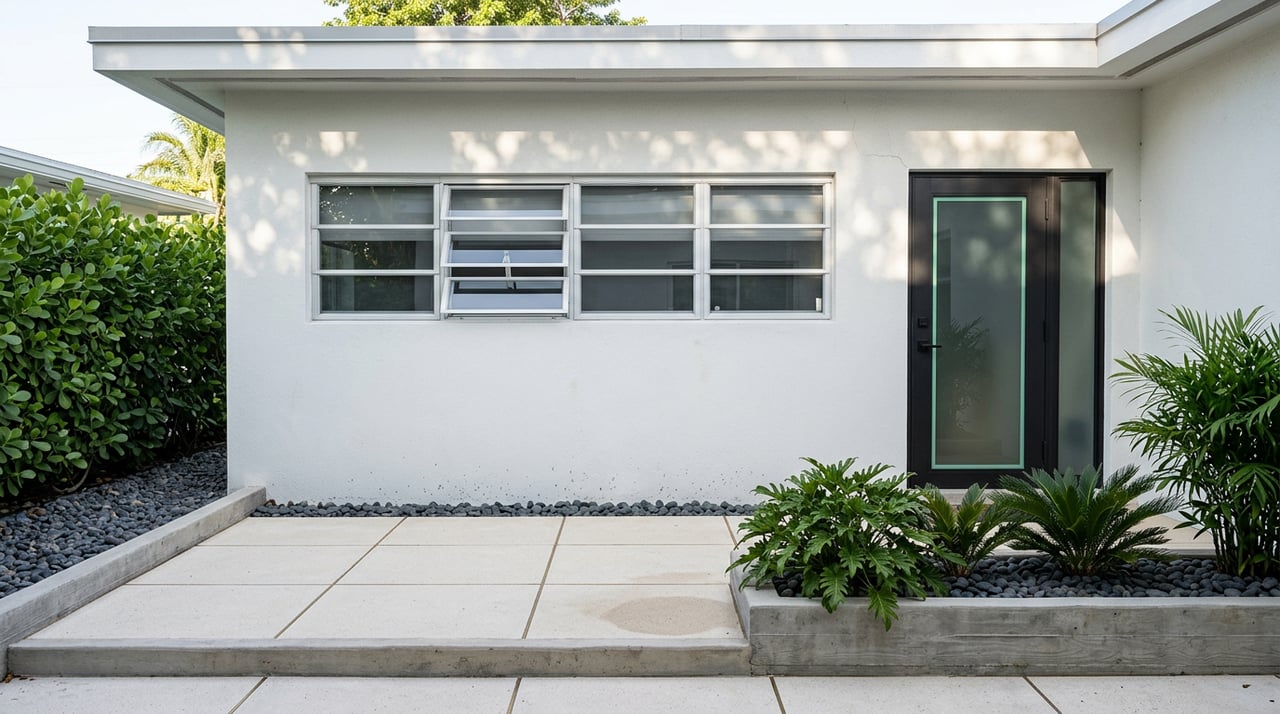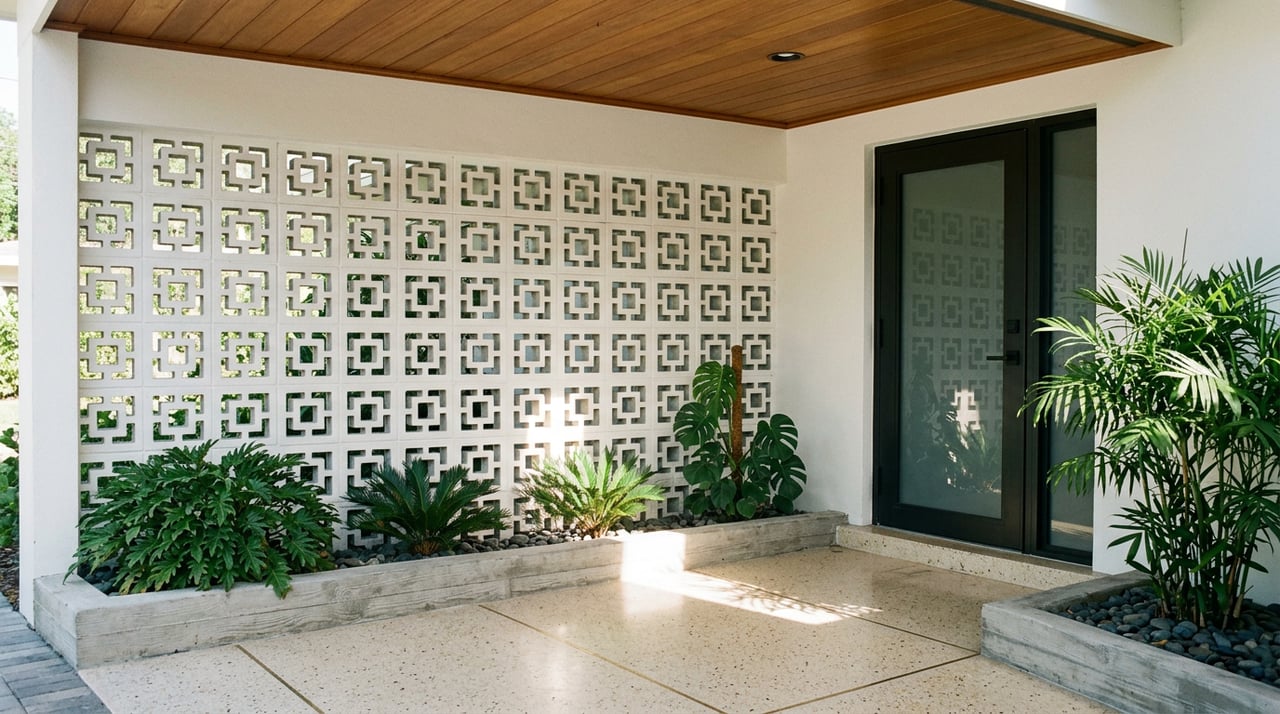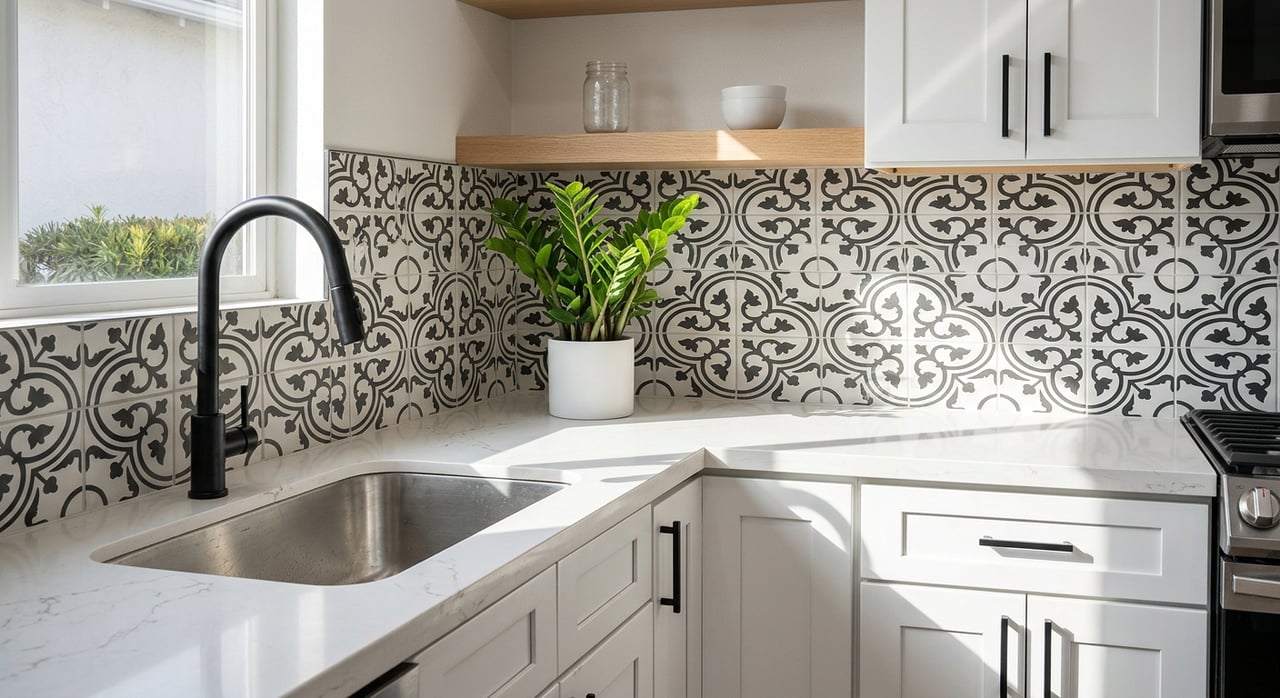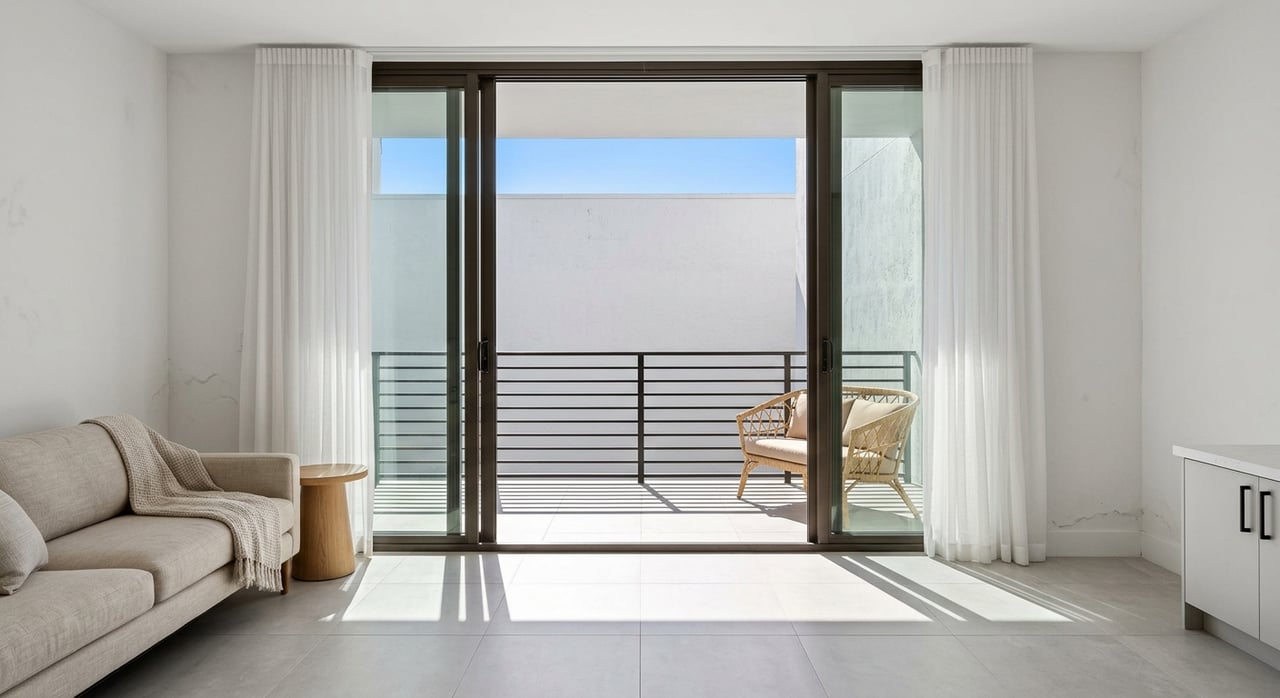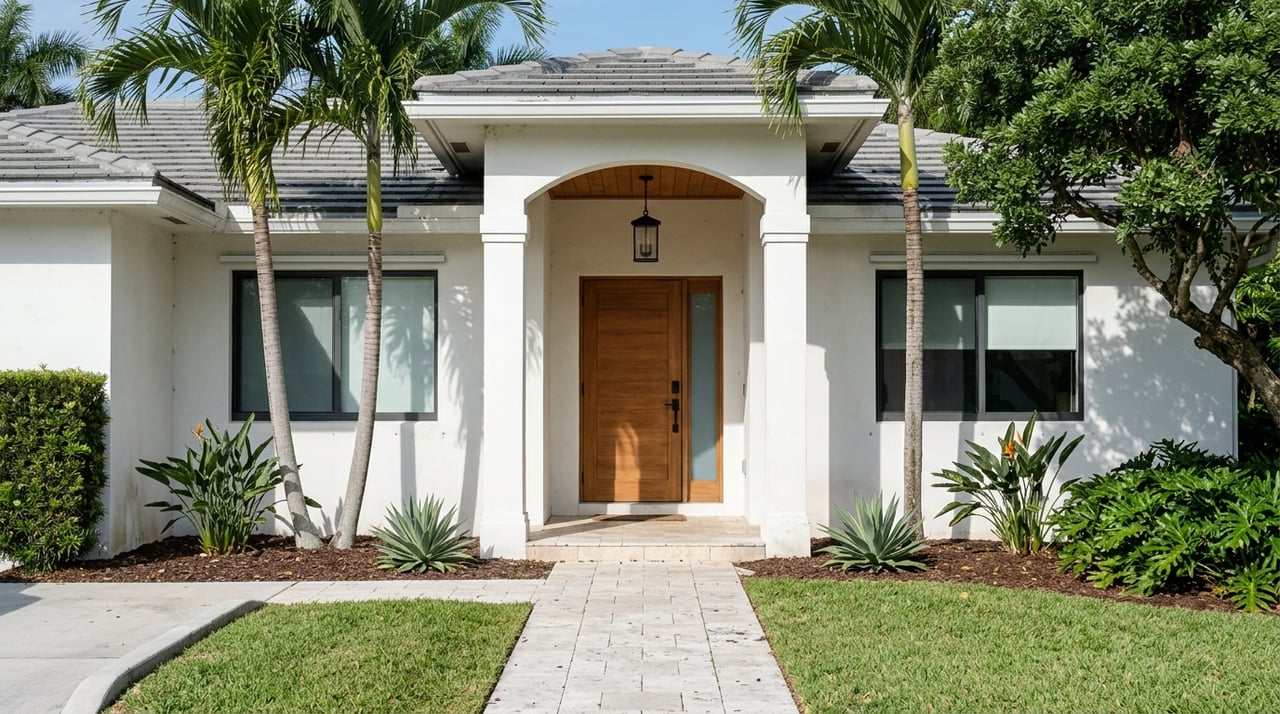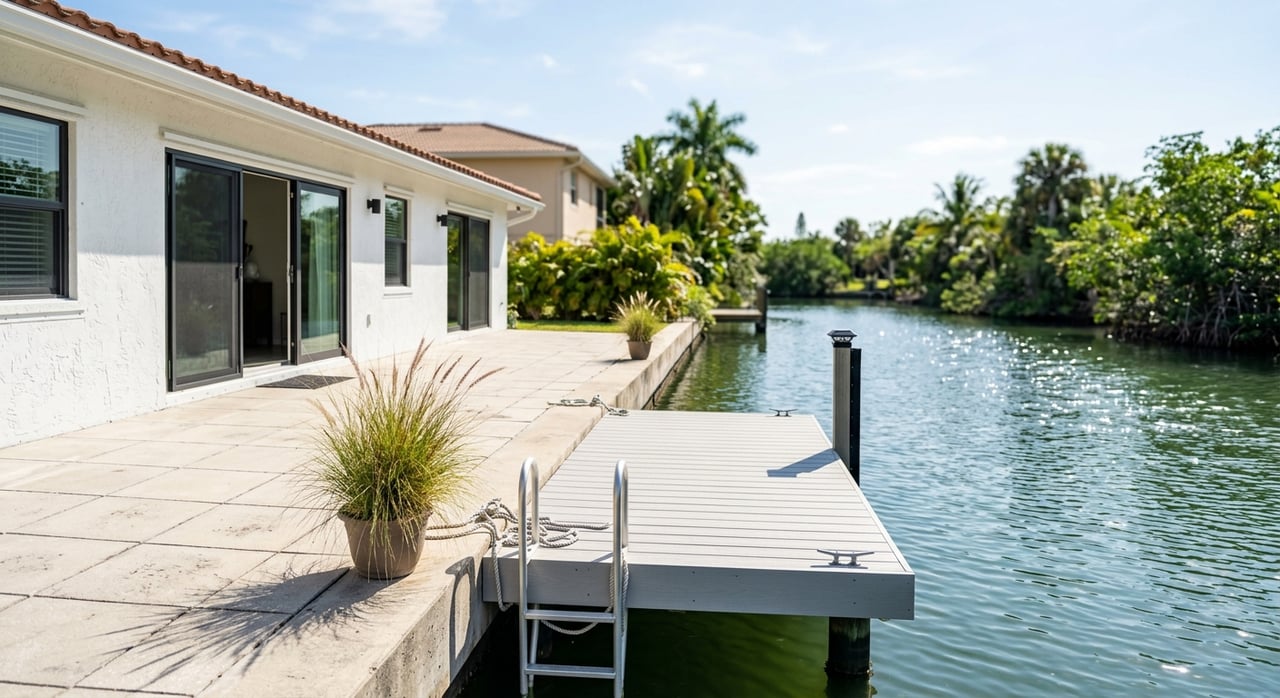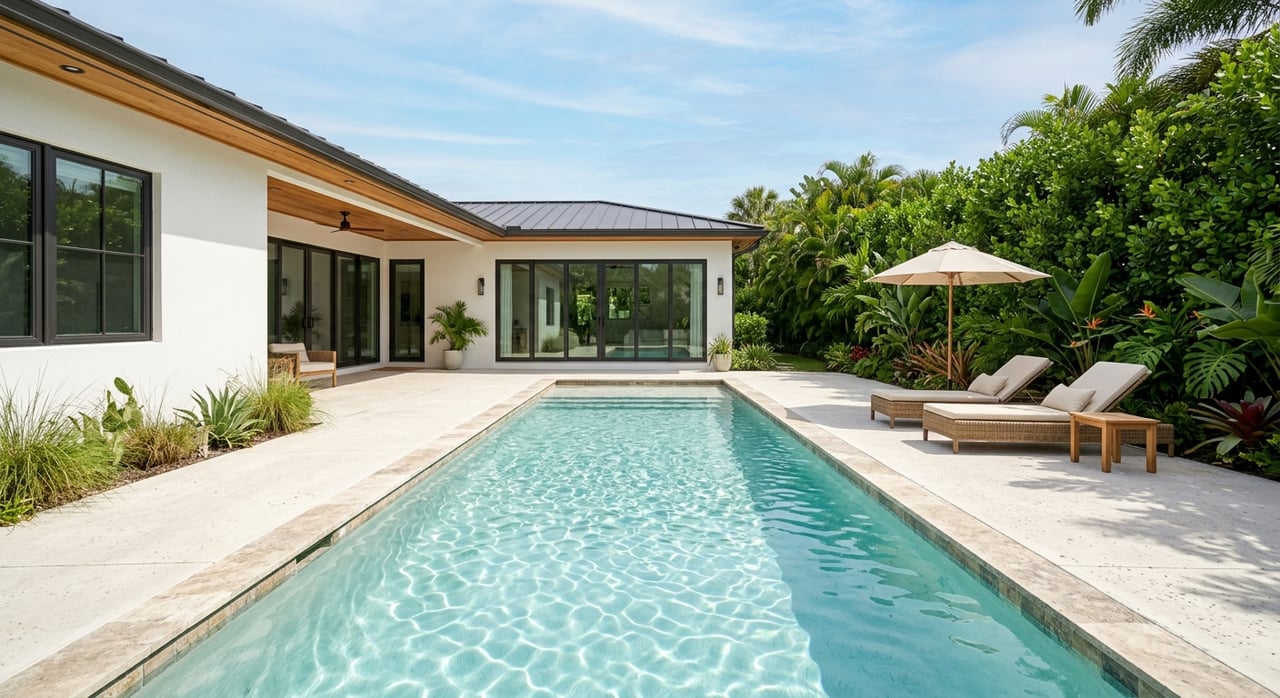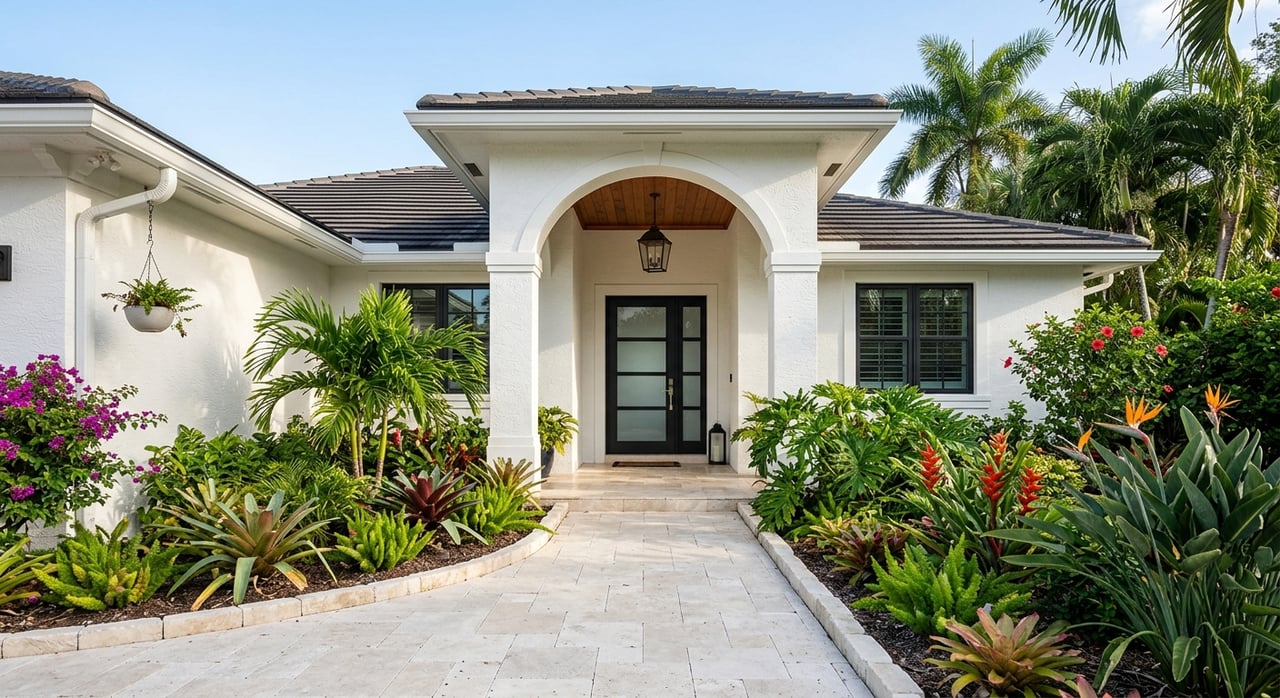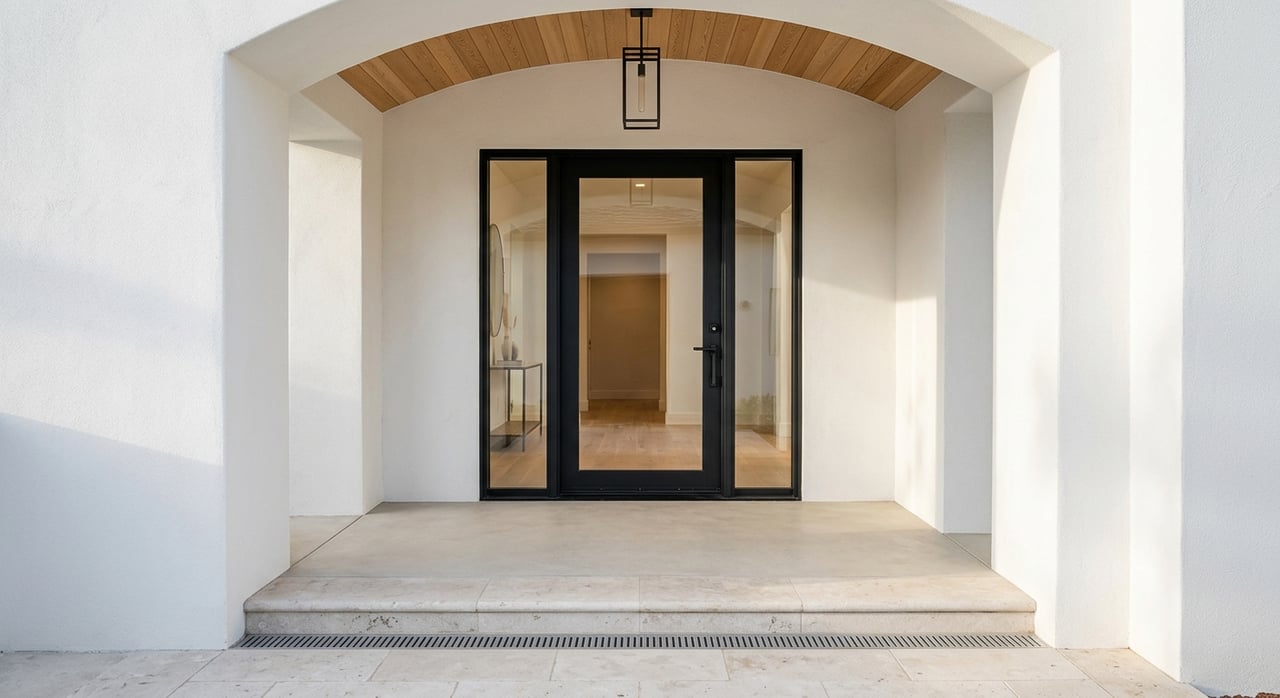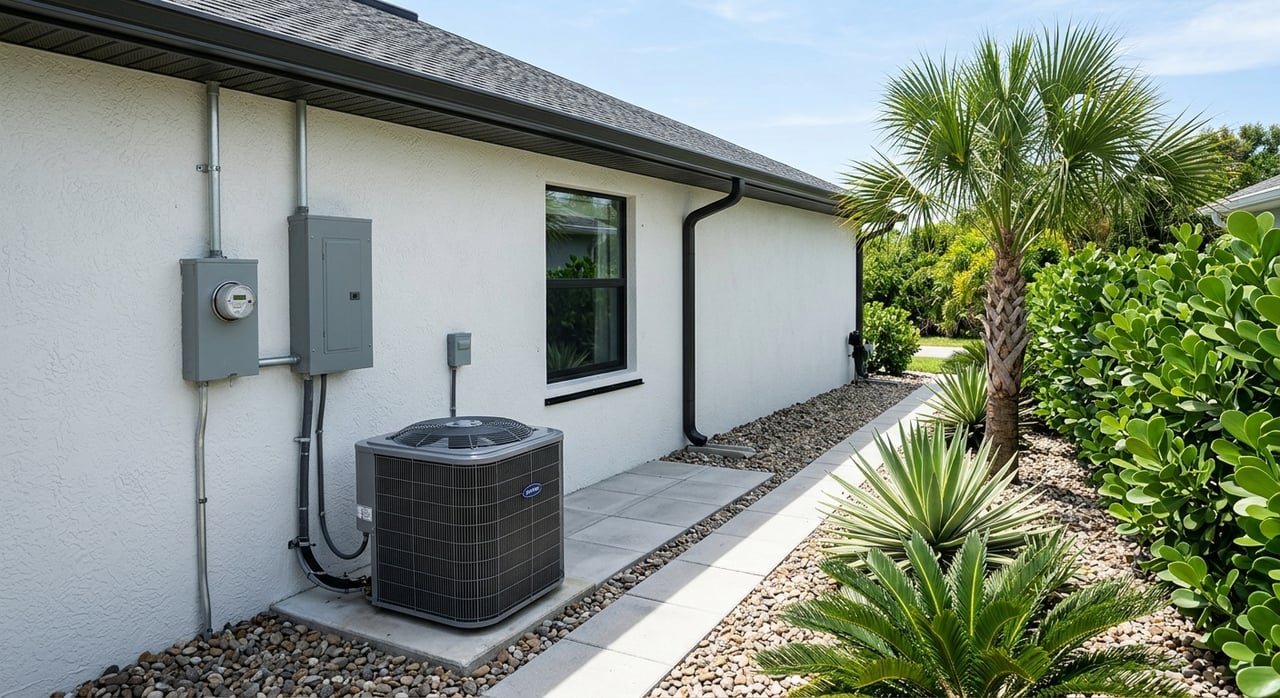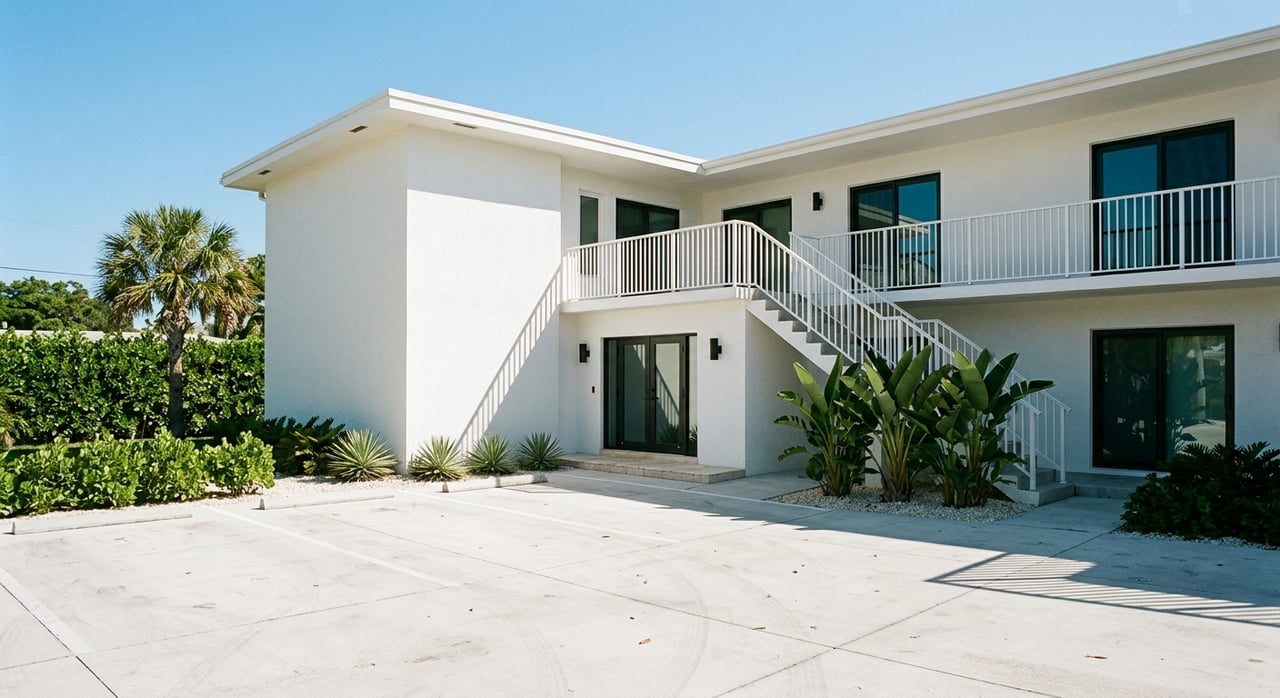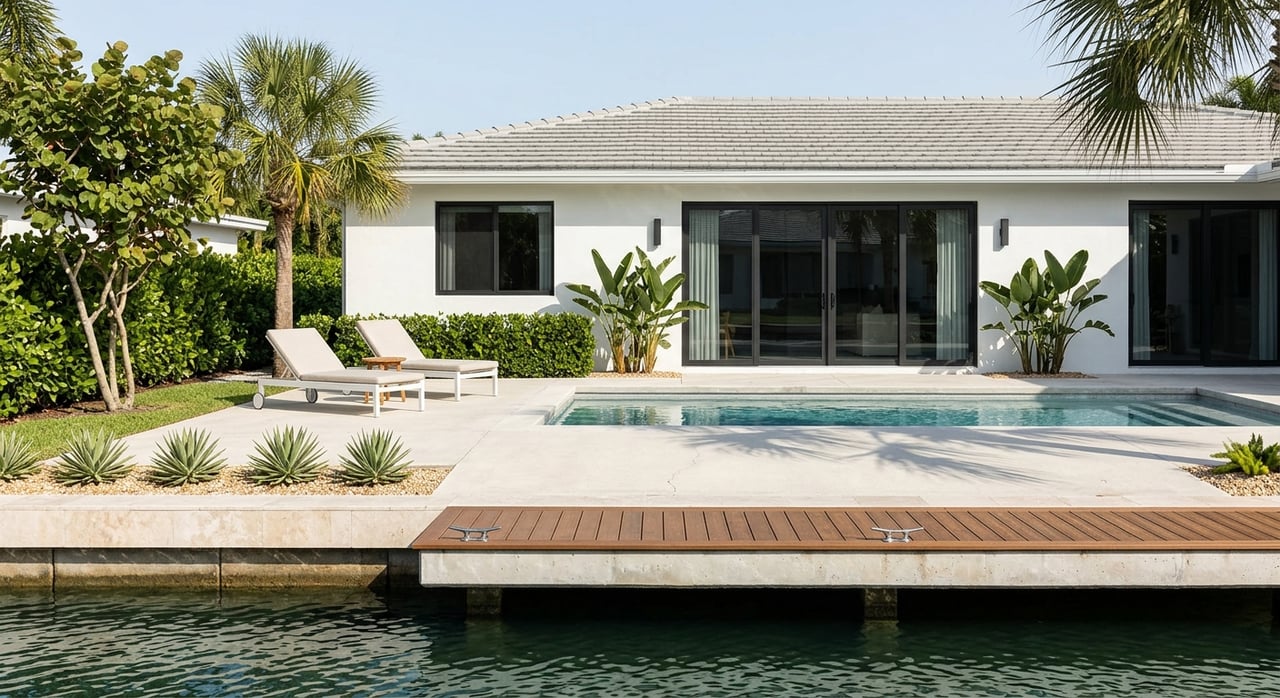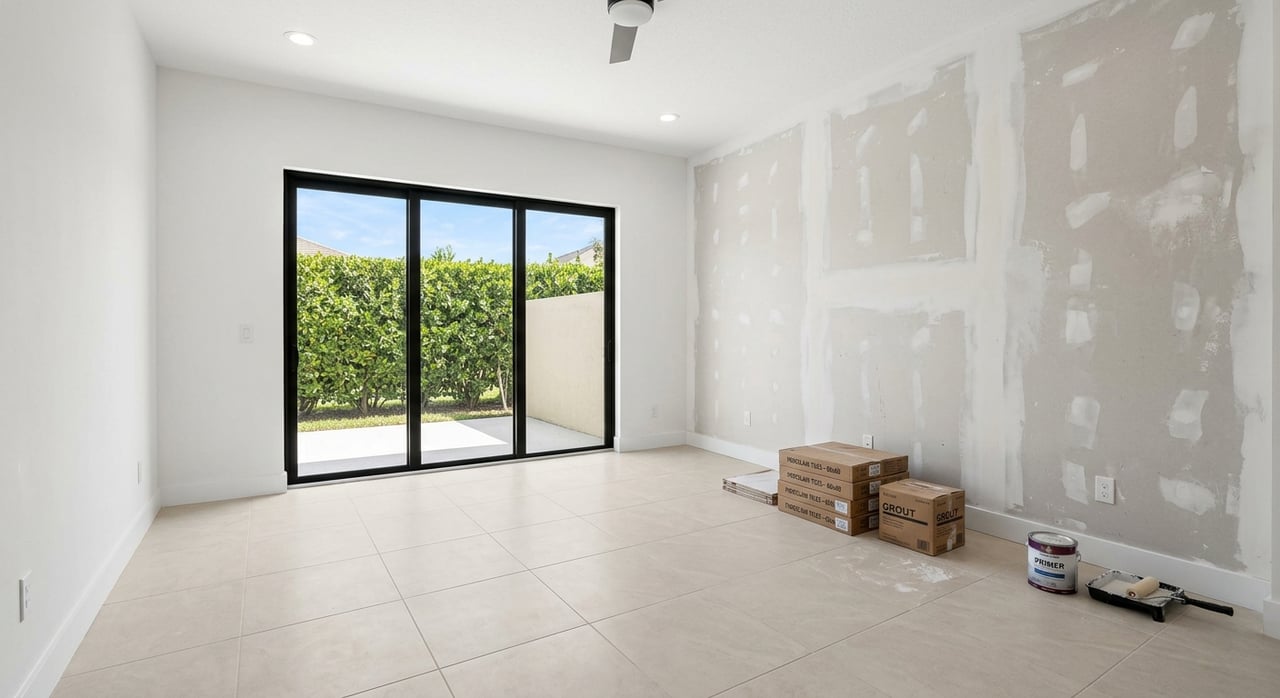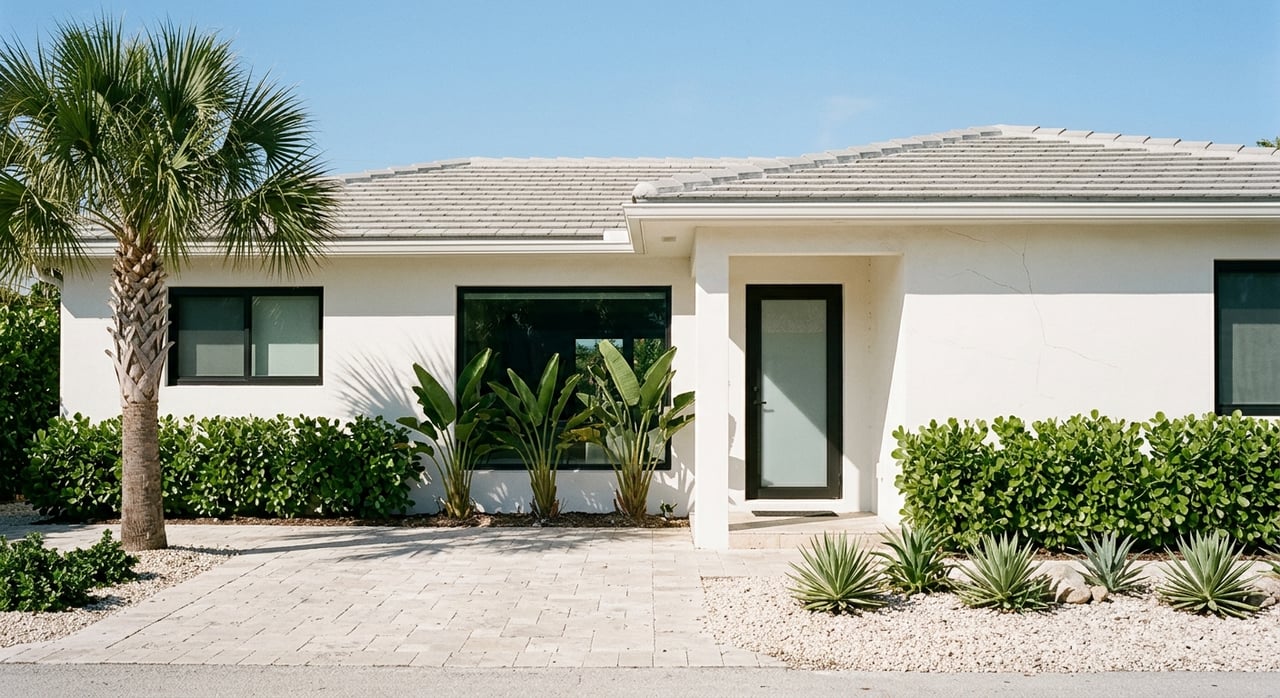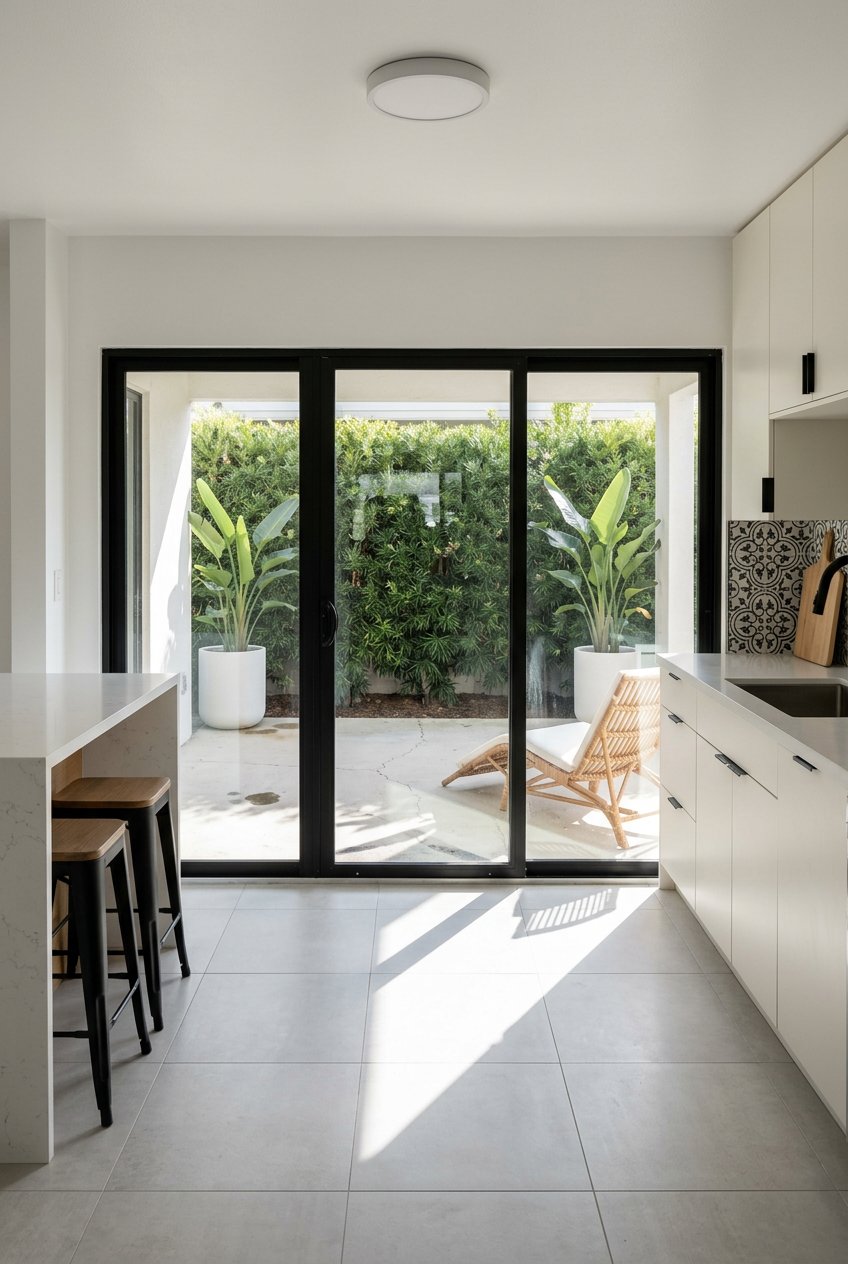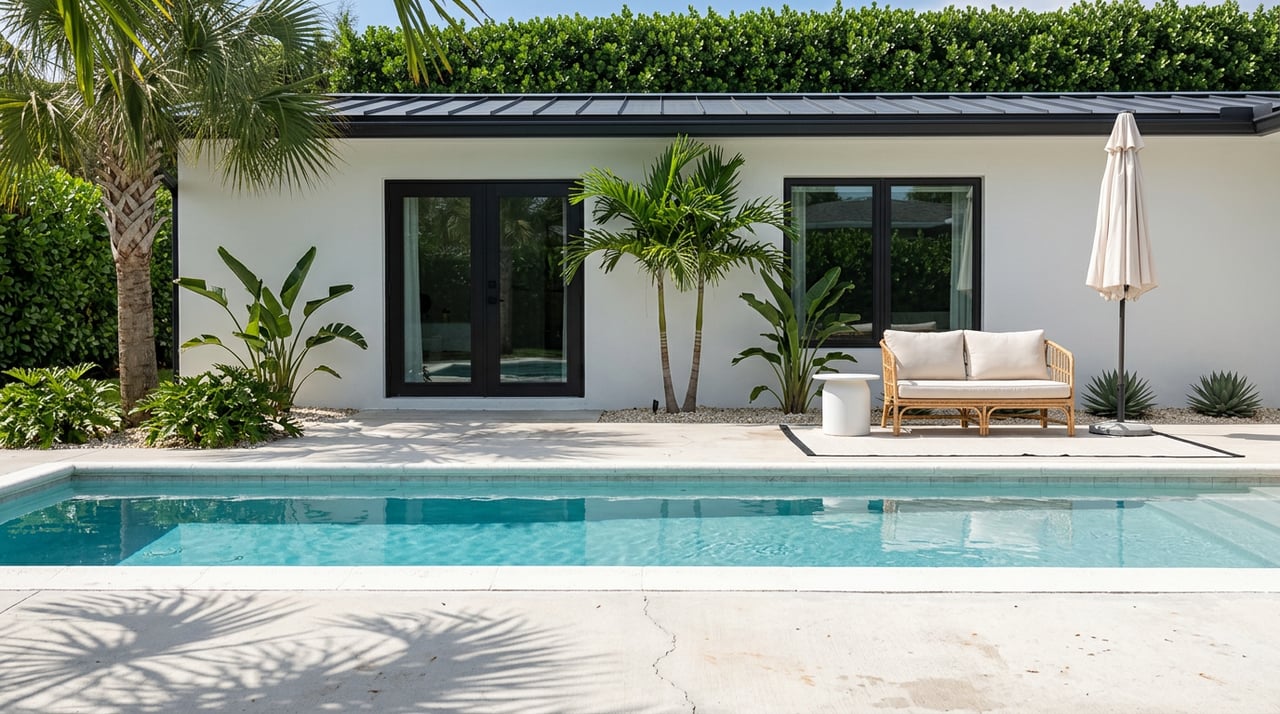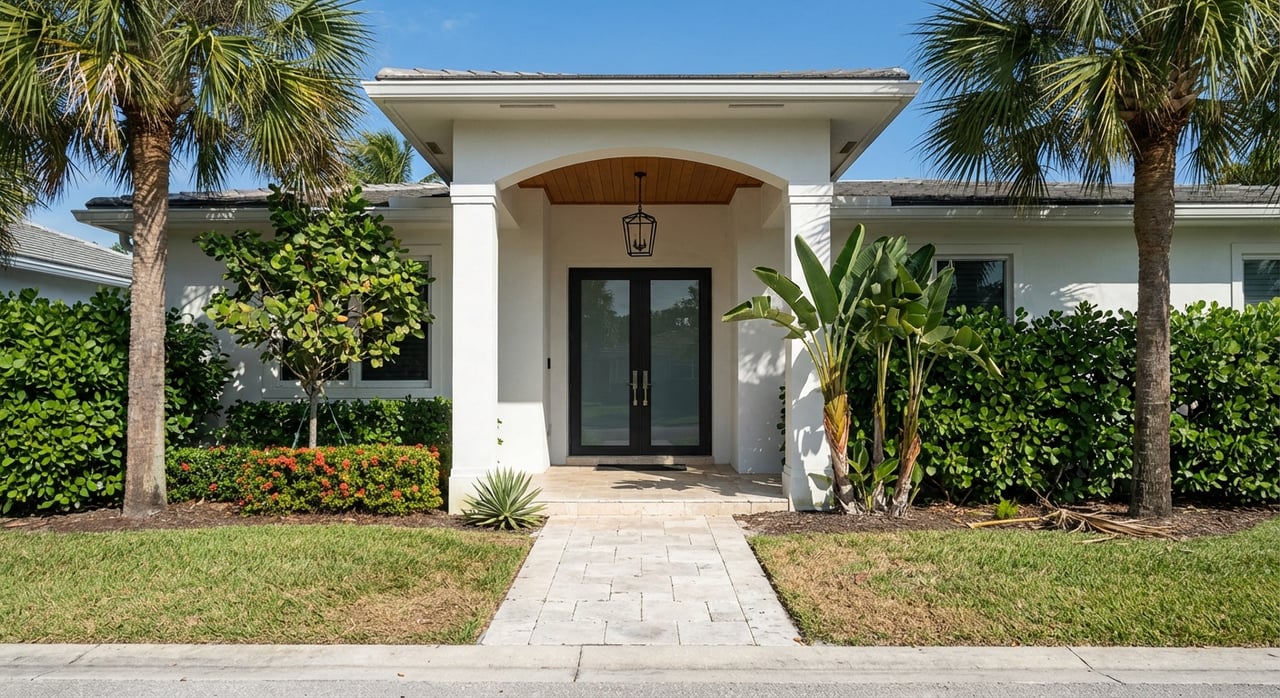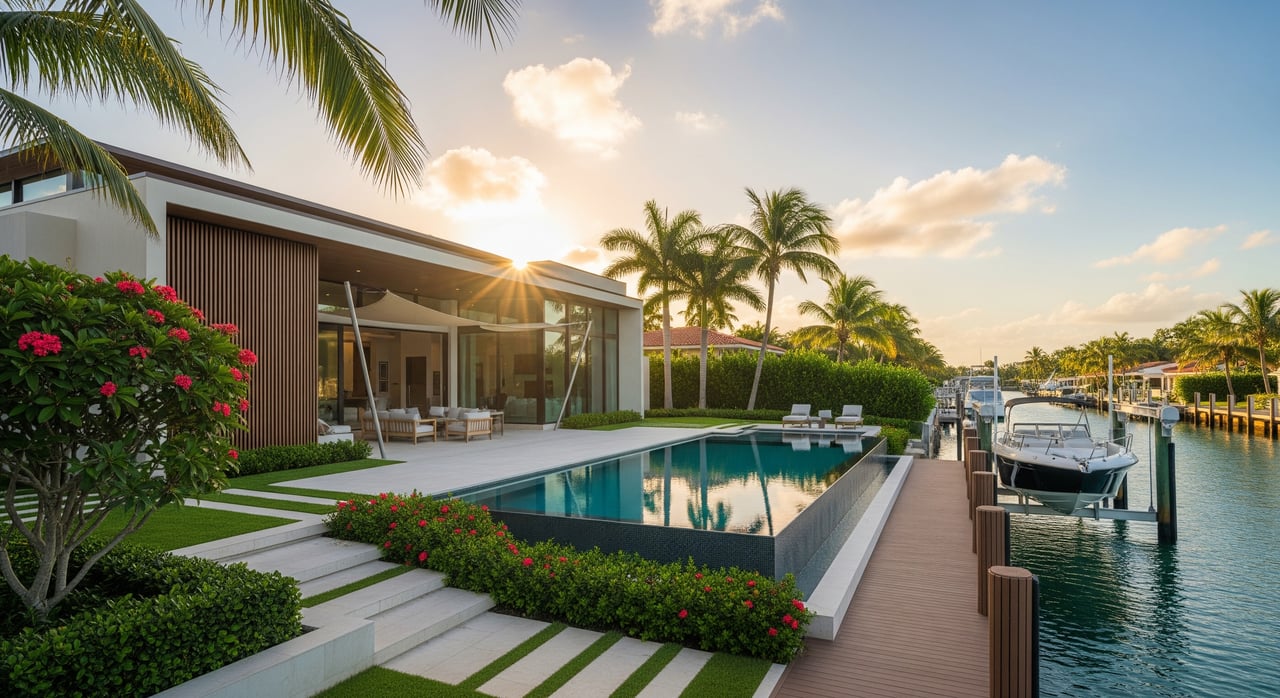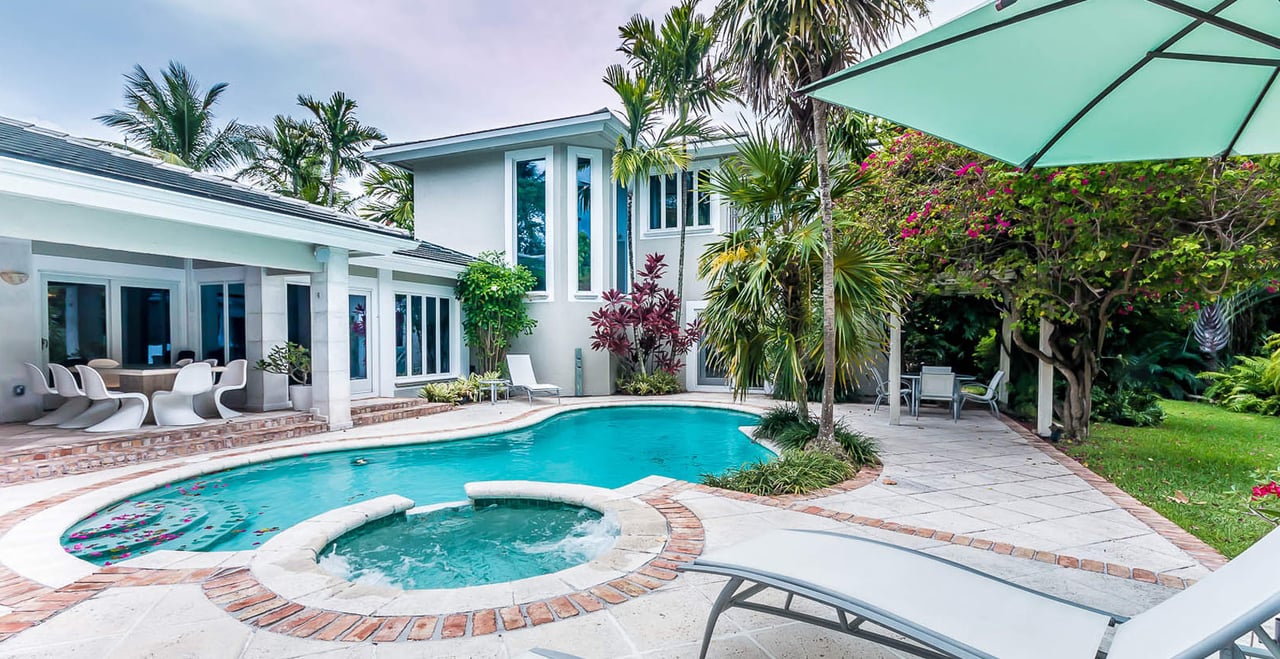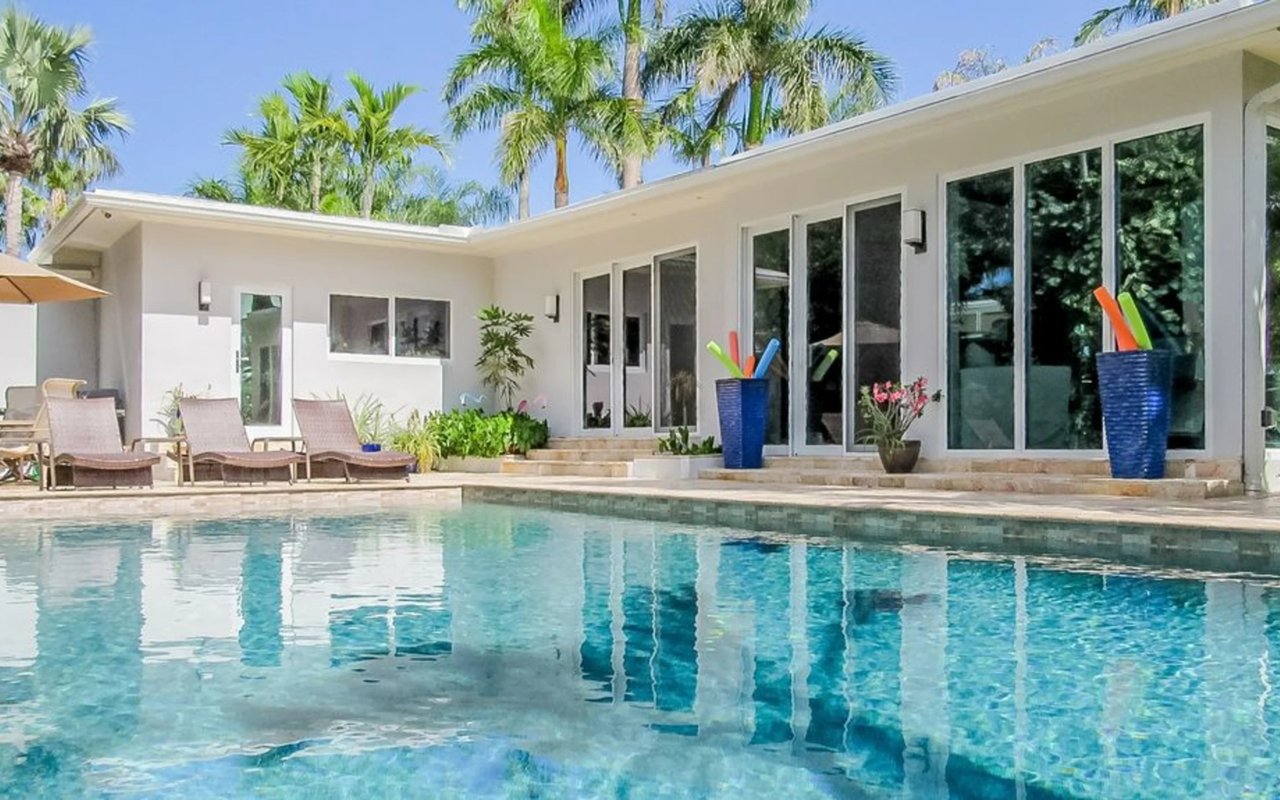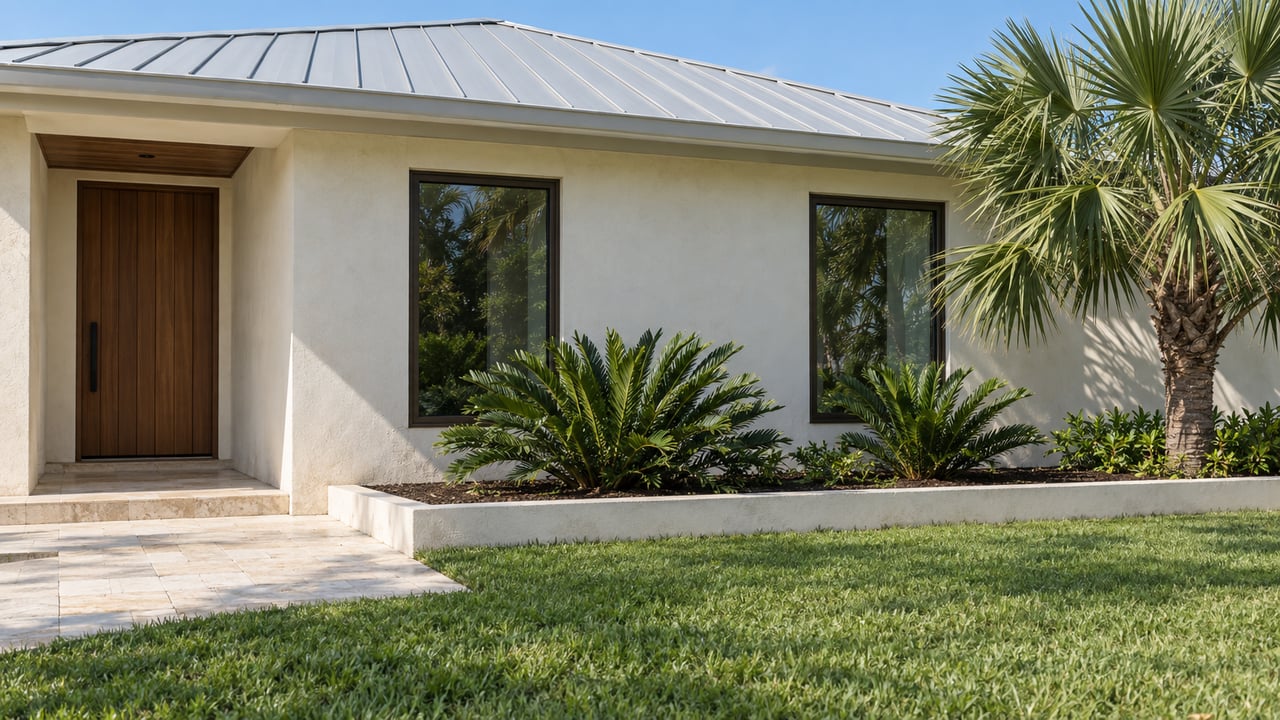
One recent Coral Heights listing leads with a full permit history: a new metal roof, new electrical panels inside and out, and a new pool pump and motor, all completed in 2026. Another listing two streets over, built the same decade, describes a "vintage kitchen in pristine condition" alongside a 2023 roof and 2023 A/C, everything else original. Both are 3-bedroom, 2-bath homes on similar lots in the same zip code. On paper, a buyer comparing spec sheets would call them close substitutes. In practice, a batch of Central Corals homes that closed in mid-2025 shows exactly that kind of spread: some sold in as few as 93 days, another sat for 238, a 145-day gap between homes that any bedroom-and-bathroom filter would treat as interchangeable.
That gap is the real story in Coral Heights right now, and it matters more than the number most buyers start with: the median price.
Three sources, three medians, one 350-home neighborhood
If you search for what a Coral Heights home costs, you will not get one answer. NeighborhoodScout puts the median real estate value for Central Corals, which includes Coral Heights, at $807,357. Movoto's recent listing data for the same footprint shows a $599,000 median list price. Realtor.com's May 2026 snapshot put the median listing price at $839,000, with a median of $505 per square foot and homes sitting a median of 61 days before going under contract.
Line those three numbers up and the spread runs to $240,000, a swing of roughly 40 percent depending on which pair you compare.
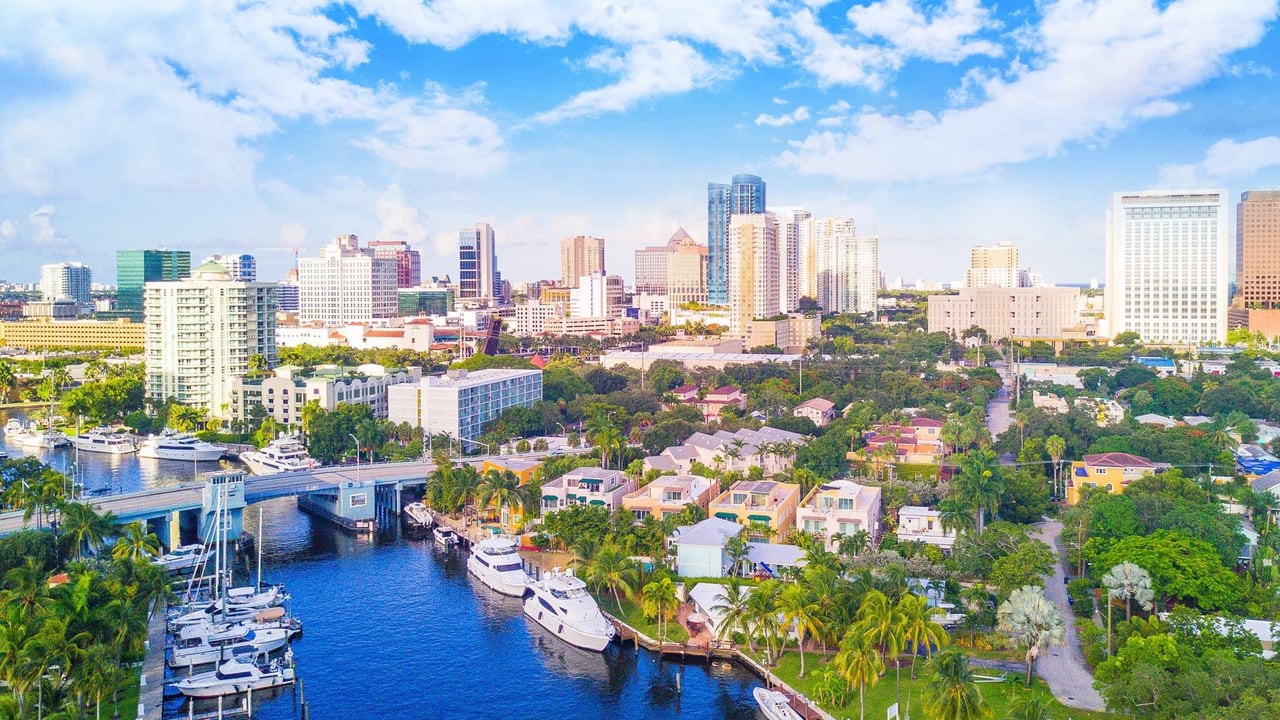
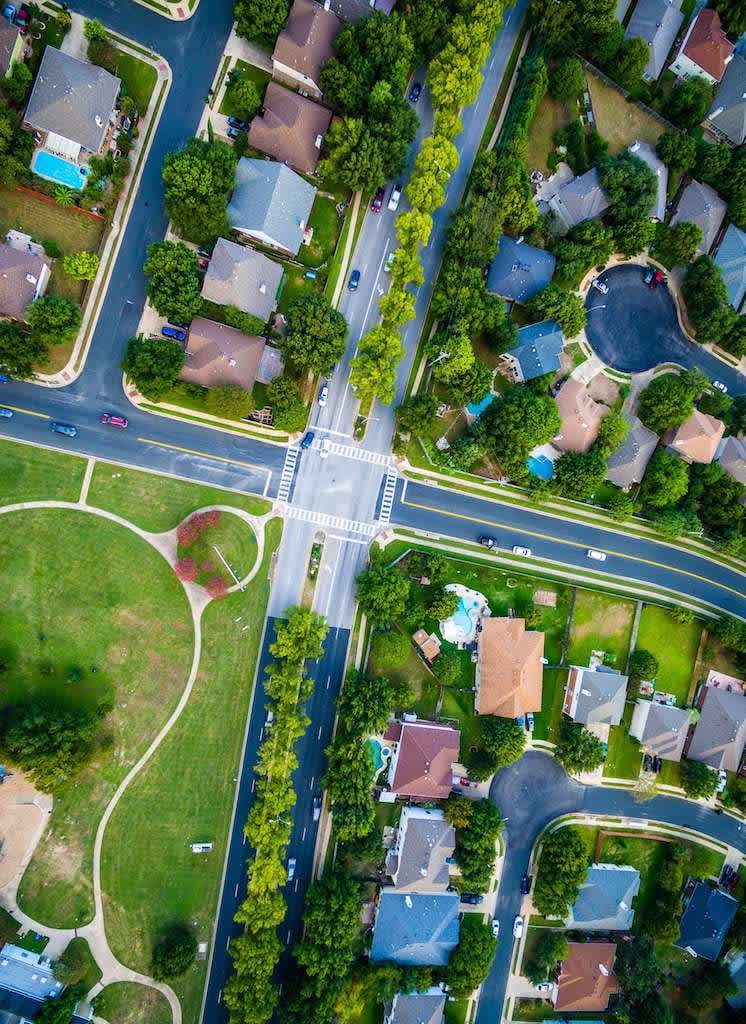
This is not four different neighborhoods disagreeing. It is one roughly 350-home pocket of Oakland Park, bounded by Floranada Road to the north, Northeast 38th Street to the south, and Northeast 12th Terrace and Northeast 20th Avenue on the east and west. A sample that small does not produce a stable median. Every time a handful of homes changes hands, whichever mix happened to sell that month can drag the "typical" price toward $600,000 or toward $840,000 depending on whether the closings were mostly untouched originals or mostly gut renovations. Around that same May 2026 window, active single-family listings in Coral Heights ranged from $599,000 to $2,175,000, a spread of nearly three and a half times between the least and most expensive homes on the market at once.
Put another way: with 31 single-family homes listed against roughly 350 total homes in the neighborhood, close to one in every eleven houses in Coral Heights was for sale simultaneously. In a market that size, the headline median is less a fact about the neighborhood and more a snapshot of whichever properties happened to close that quarter.
What the median hides
None of this means Coral Heights pricing is random. It means the median is the wrong tool for reading it. The neighborhood's housing stock dates mostly to 1957 through 1971, and two homes with identical square footage from that era can be functionally different products depending on what has and has not been brought up to current standards.
Look past the bedroom count and the number that actually seems to separate a 93-day sale from a 238-day sale is how complete the permitted upgrade list is. The fast-moving listings tend to bundle several systems at once: roof, electrical, impact glass, sometimes the pool equipment, all replaced and documented together. One recent Coral Heights listing put it plainly, advertising that "ALL work fully permitted" as the headline selling point, ahead of the kitchen finishes or the pool. Another home in the same price band split its updates across different years, a flat roof from 2024 layered over a main roof from 2007, water heaters from two different install dates, and a hurricane-impact garage door added just last year. That kind of patchwork history reads fine in a listing description, but it forces a buyer's insurer and appraiser to work harder to piece together what is actually current.
At the top of the price range, some owners have gone further. One Coral Heights listing noted the owner had invested over $200,000 in upgrades on a single midcentury home, the kind of full-scale renovation that explains how a neighborhood built entirely in one decade can still produce listings north of $2 million.
Why the permit gap shows up in the closing timeline
The reason this matters beyond curb appeal comes down to how Florida insurers and lenders underwrite a home. A roof, electrical panel, and set of impact-rated windows and doors that were replaced and permitted together give an insurance carrier a clean, current picture in one file. A home with a 2007 roof next to a 2024 patch, or a still-original electrical panel from the 1960s, usually needs additional documentation, a wind mitigation inspection, or in some cases a 4-point inspection before a carrier will quote a policy. Every one of those steps adds days, and in a financed transaction, the insurance binder has to be in hand before the lender will clear to close.
That is very likely a meaningful piece of why homes with a complete, recent, permitted system upgrade tend to close faster in Coral Heights than homes with a mixed or partial update history, even when the two properties look nearly the same in a listing photo carousel.
Fort Lauderdale as a whole has not been a fast market this year. Houses that sold in August 2026 took a median of 50 days to go under contract, and houses still sitting on the market that month carried a median list age of 61 days. Coral Heights, filtered different ways, has shown a similarly moderate pace, with homes carrying a view feature moving in a median of 82 days and single-story homes at 89 days. Against that backdrop, the mid-2025 example above still holds up as a useful illustration: a 93-day close was on the fast side even then, and a 238-day close sat well outside the normal range, the kind of gap that tracks with how much underwriting friction a home's condition history creates along the way.
What to check instead of the median
If you are shopping or pricing a home in Coral Heights, the median you find on any single site is a starting point at best. What actually predicts your timeline and your negotiating position is the condition and paperwork behind four systems:
- Roof age and permit date, and whether it covers the full structure or only part of it
- Electrical panel age and whether it has been upgraded or remains original to the build year
- Window and door protection, specifically whether impact-rated glass is documented and permitted
- Pool equipment age, where applicable, since older pumps and heaters can also slow an insurance quote
Ask for permit records on each of these before you anchor to a listing price. A seller who can hand over a complete, recent permit history on all four is offering a materially different product than a seller whose home has the same bedroom count but an older roof and original wiring, even if both are asking a similar number.
If you are weighing Coral Heights against a nearby pocket like Poinsettia Heights, which our earlier comparison of single-family options in Coral Heights covers in more depth, the same principle holds. The neighborhood-level median tells you almost nothing about the specific home in front of you. The permit file tells you almost everything.
A few questions worth answering before you make an offer
Why do NeighborhoodScout, Movoto, and Realtor.com show such different numbers for the same neighborhood? Coral Heights and the broader Corals footprint hold roughly 350 homes. A sample that size does not generate a stable monthly median, so each source's number reflects whichever mix of homes happened to sell or list during its particular snapshot window rather than a fixed neighborhood value.
Is a 61-day median time on market fast or slow for Coral Heights? It sits close to the middle of the range across different filtered views of the neighborhood, which have shown medians from 82 to 89 days for specific subsets like single-story or view homes. It lines up almost exactly with Fort Lauderdale's own citywide figure for August 2026, when houses still on the market carried a median list age of 61 days, though houses that actually sold that month moved faster, going under contract in a median of 50 days. One batch of Central Corals closings from 2025 ranged as high as 238 days, which is why the permit history behind an individual home matters more than the neighborhood average.
If you are trying to price a Coral Heights home to sell on the faster end of that range, or trying to figure out what a specific listing's system history actually means for your closing timeline, Trent Head can walk through the permit record with you and put together a valuation that accounts for what is actually behind the walls, not just what the square footage suggests. Schedule a free consultation and home valuation to get a clearer read before you write an offer or set a list price.