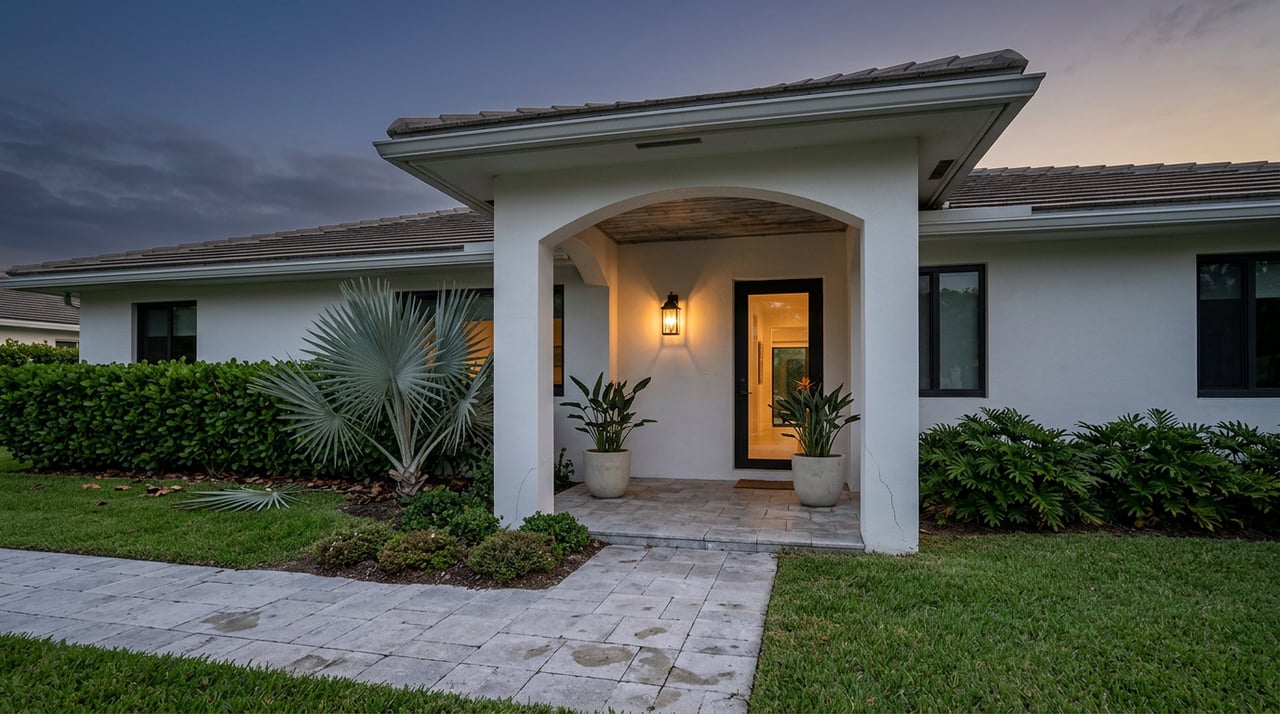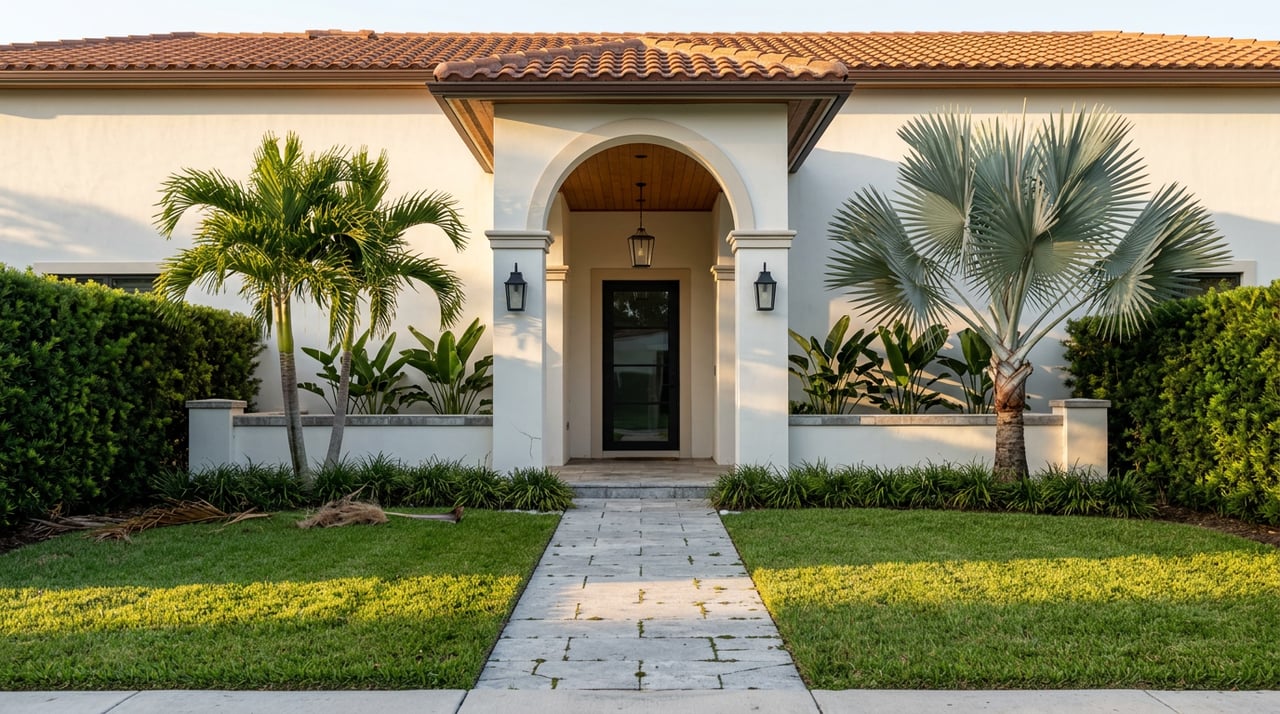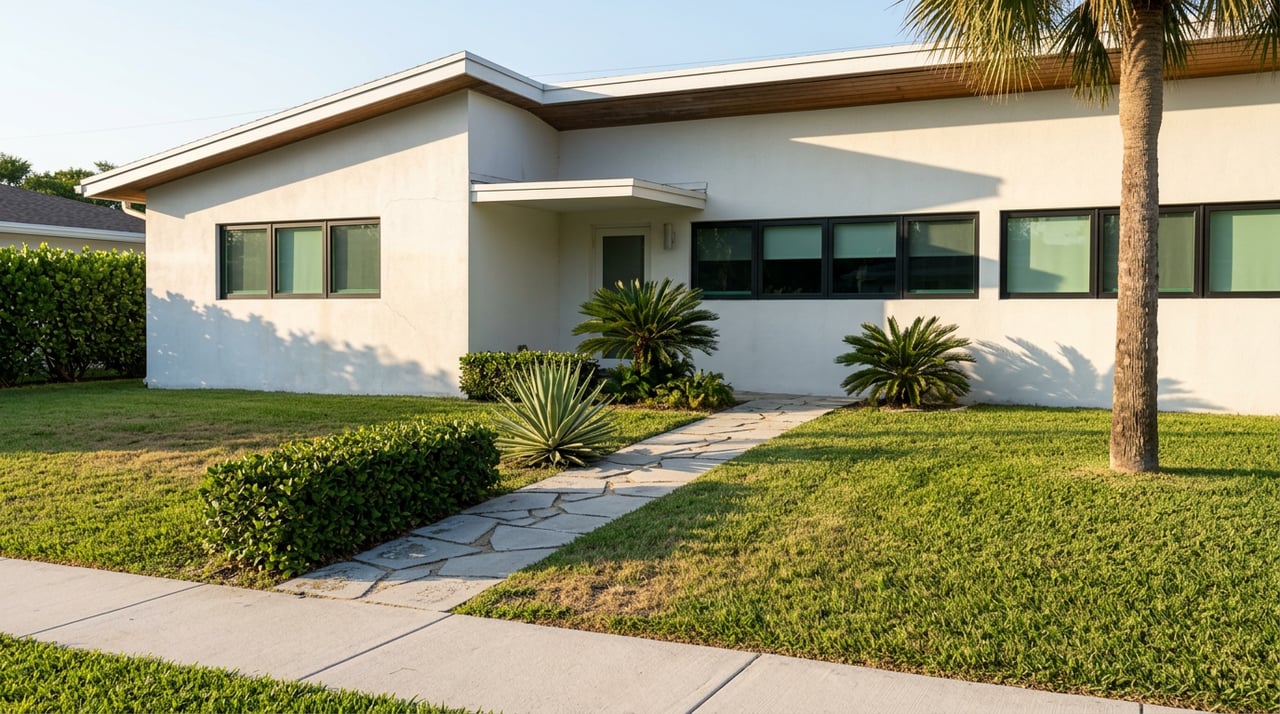
If you are looking for a Fort Lauderdale neighborhood with both rental income potential and long-term upside, Poinsettia Heights deserves a closer look. You want a property that can make sense on paper, but you also need to understand the local rules, pricing signals, and day-to-day realities before you buy. This guide breaks down what current market data suggests about investment and rental potential in Poinsettia Heights, and where smart investors should be cautious. Let’s dive in.
Why Poinsettia Heights Stands Out
Poinsettia Heights appears to offer a middle-ground opportunity for investors who want central Fort Lauderdale exposure without relying on a pure vacation-rental strategy. The neighborhood market is active, but it is not so large that it feels disconnected or oversupplied. That can be appealing if you are targeting a long-term hold with steady tenant demand.
Current pricing signals show a market that is still meaningful in value, even with some recent softening. Zillow reports a neighborhood typical home value of $673,950 as of March 31, 2026, down 5.1% year over year, while its median list price is $832,833. Realtor.com shows a median listing price of $879,000 and a median rent of $3,000, which is best viewed as a directional signal rather than an exact benchmark because the sources use different methods and timing.
What the Numbers Suggest
If you are underwriting a rental purchase, the broad picture matters first. Based on Zillow’s typical home value of $673,950 and Realtor.com’s median rent of $3,000, the rough gross rent-to-value ratio comes out to about 5.3%. That is before taxes, insurance, maintenance, vacancy, HOA costs if any, and financing.
That rough ratio does not tell the full story, but it does give you a starting point. In a market like South Florida, expenses can shift the real return quickly, especially when insurance and flood-related costs are part of the picture. The better approach is to treat neighborhood-level numbers as a screening tool, then confirm everything with property-specific rent comps and expense estimates.
Typical Rent Ranges in Poinsettia Heights
Current asking rents suggest there is demand across several property types and price points. Zillow’s rent data notes that its trend figures reflect asking rents, and current listings show a fairly wide spread.
Here is the general range reflected in current listings:
- Studios: about $1,350 to $1,595
- One-bedroom units: about $1,600 to $2,250
- Two-bedroom units: about $2,200 to $3,000
- Larger homes and apartments: about $3,250 to $5,500 or more
For you as an investor, that range matters because it points to multiple possible strategies. A smaller unit may offer a lower entry point, while a larger home may support stronger gross rent, though often with higher carrying costs and more maintenance exposure.
Best Property Types for Investors
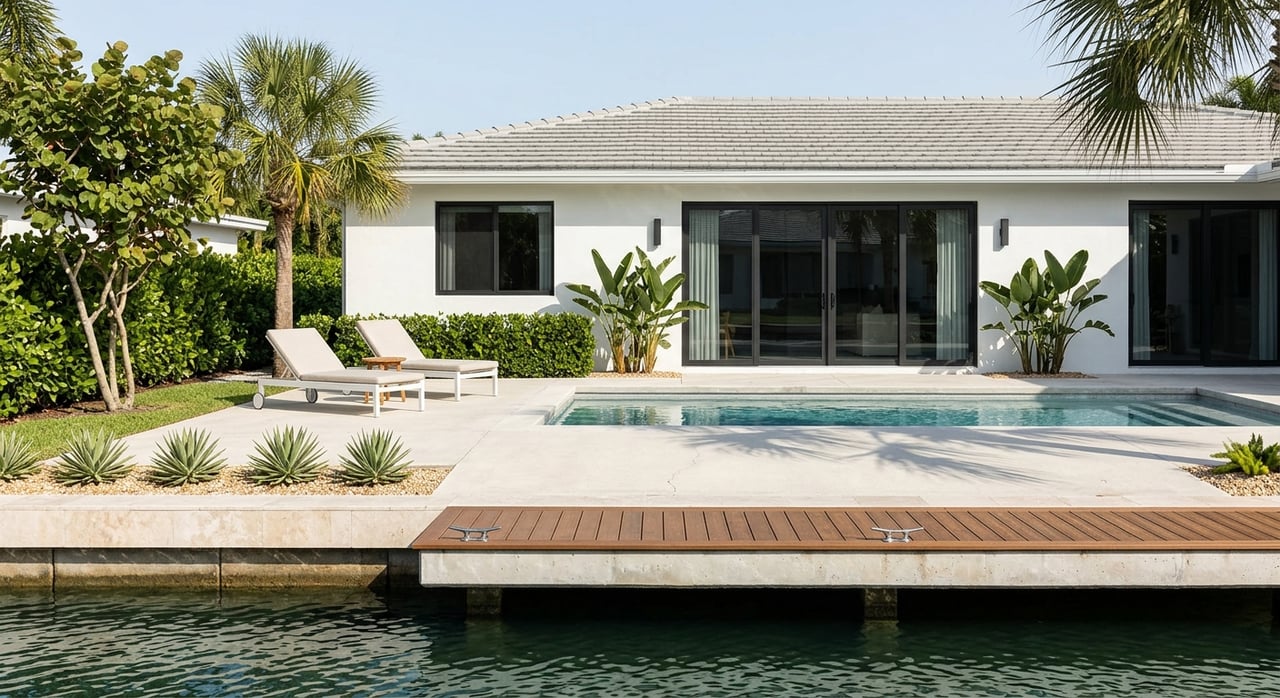
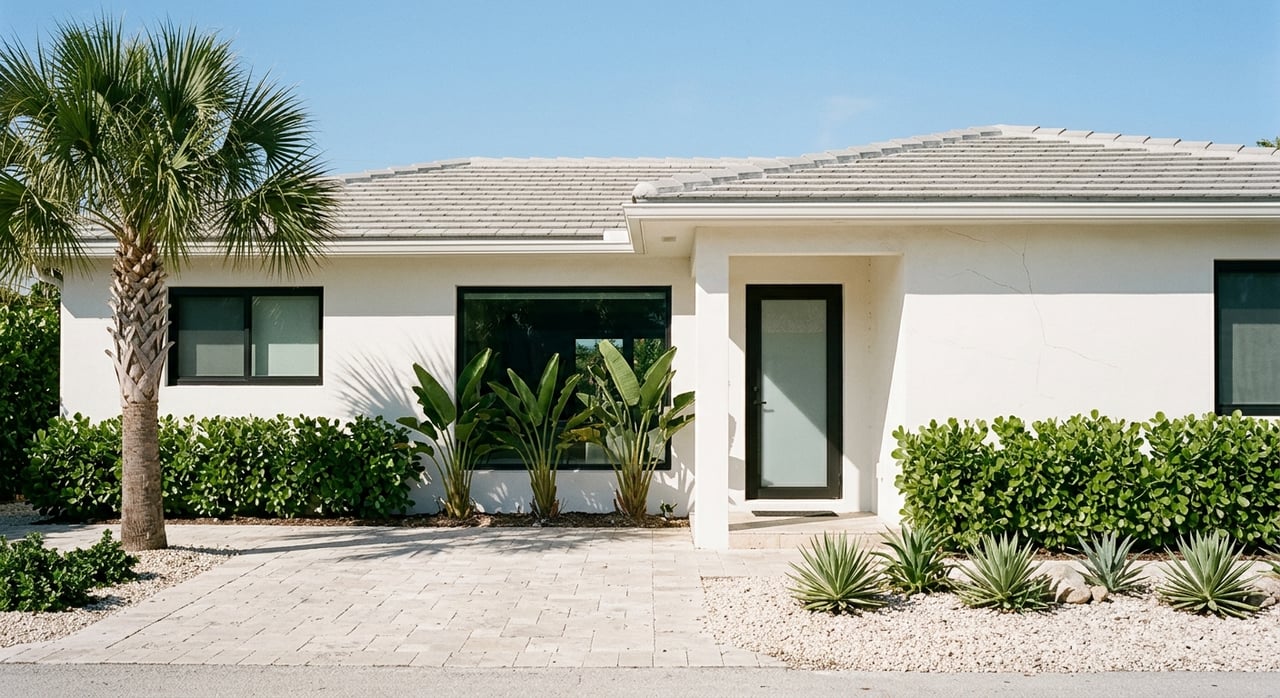
Poinsettia Heights looks more house-led than condo-led. Zillow has a dedicated single-family homes page for the neighborhood, while the condo segment appears smaller and more secondary. That suggests detached homes and similar lower-complexity residential properties are likely the core buy-and-hold products in the area.
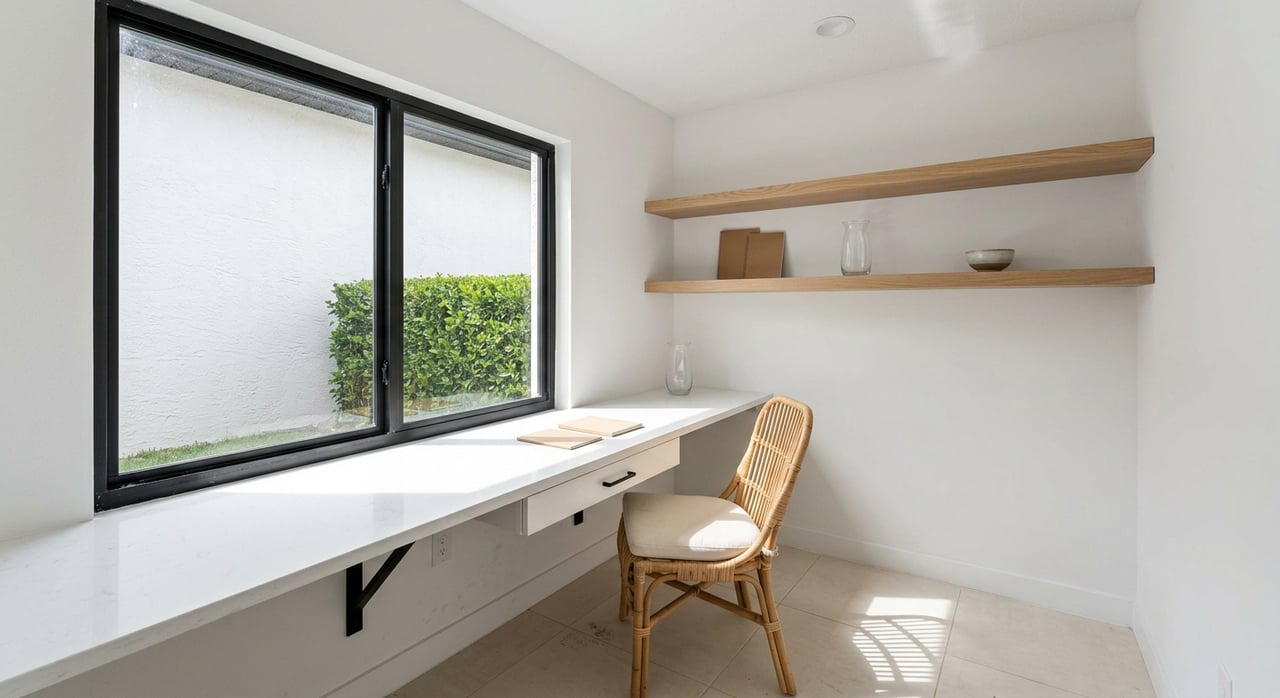
For many investors, this is a practical advantage. Single-family rentals can be easier to position for long-term tenants, and they often offer more room for value-add improvements such as updated kitchens, baths, flooring, layout changes, and exterior upgrades. In a neighborhood like this, appreciation may come less from speculation and more from improving function, condition, and usability.
Where Long-Term Upside May Come From
In Poinsettia Heights, long-term appreciation looks more tied to fundamentals than hype. The research suggests future value may be supported by renovation activity, removal of functional obsolescence, and public infrastructure work rather than a purely speculative land story.
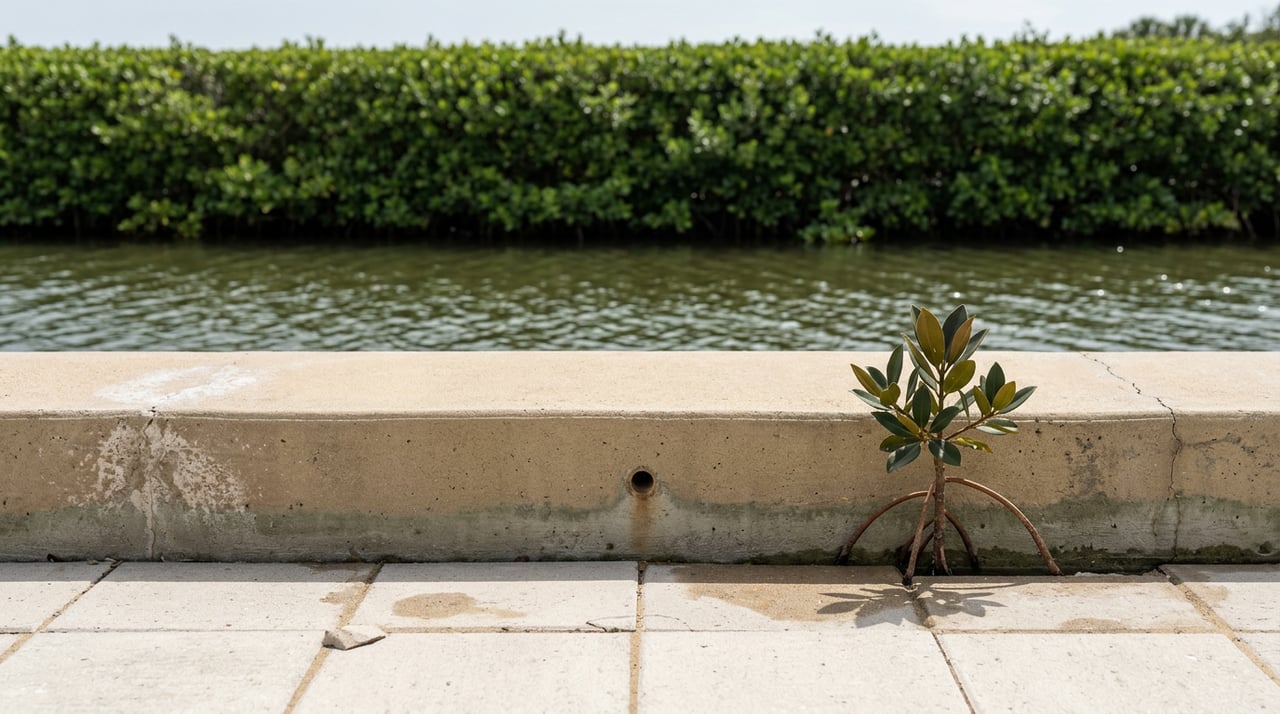
One important factor is the City of Fort Lauderdale’s Fortify Lauderdale Phase 2 resilience program, which includes Poinsettia Heights and aims to reduce flooding frequency, duration, and intensity in vulnerable neighborhoods. Public investment like that can support buyer confidence and long-term resale appeal. Still, you should underwrite with caution because flood risk and insurance costs remain real line items, not theoretical concerns.
Long-Term Rentals vs Short-Term Rentals
If you are deciding between a traditional lease and a short-term rental model, the local framework matters a lot. In Poinsettia Heights, the research points to long-term rentals as the more straightforward strategy for many investors. The area looks better suited to a manageable buy-and-hold approach than a pure short-term-rental play.
That does not mean short-term rentals are impossible. It means the revenue choice comes with a meaningful compliance burden, and that burden needs to be part of your underwriting from the start.
What to Know About Florida Long-Term Rental Rules
Florida law largely controls residential tenancy rules at the state level. For long-term rentals, landlords must disclose the landlord’s name and address at or before the start of tenancy. Landlords must also maintain the premises in code-compliant condition and handle security deposits in a separate account or bond with written notice.
Deposit timing matters too. If there is no claim, the security deposit must be returned within 15 days after termination. If there is a claim, written notice must be sent within 30 days.
Florida also requires a flood disclosure for prospective tenants on leases of one year or longer. For landlords, that means good operations are not optional. They are part of protecting your asset and your tenant relationship.
What to Know About Fort Lauderdale Short-Term Rentals
Fort Lauderdale requires registration for any single-family, two-family, three-family, or four-family house or condominium advertised for 30 days or less to transient occupants. The city also requires operators to stay current on applicable state and local licenses and tax requirements.
The city’s 2023 amendment added a noise-detection device requirement and increased penalties for violations. Broward County also imposes a 6% tourist development tax, with returns due on the 1st and late after the 20th of the following month. Rentals without bona fide written leases longer than six months are taxable for the first six months of occupancy.
For you, that means short-term rental ownership is not just about nightly rates. It is an operational business with registration, monitoring, tax filing, and enforcement risk built in.
What Investors Should Watch Closely
Before you buy in Poinsettia Heights, focus on the numbers that can change your real return the fastest. In this neighborhood, insurance, flood exposure, maintenance planning, and vacancy assumptions deserve close attention. A decent-looking gross yield can tighten quickly if your operating costs come in above expectations.
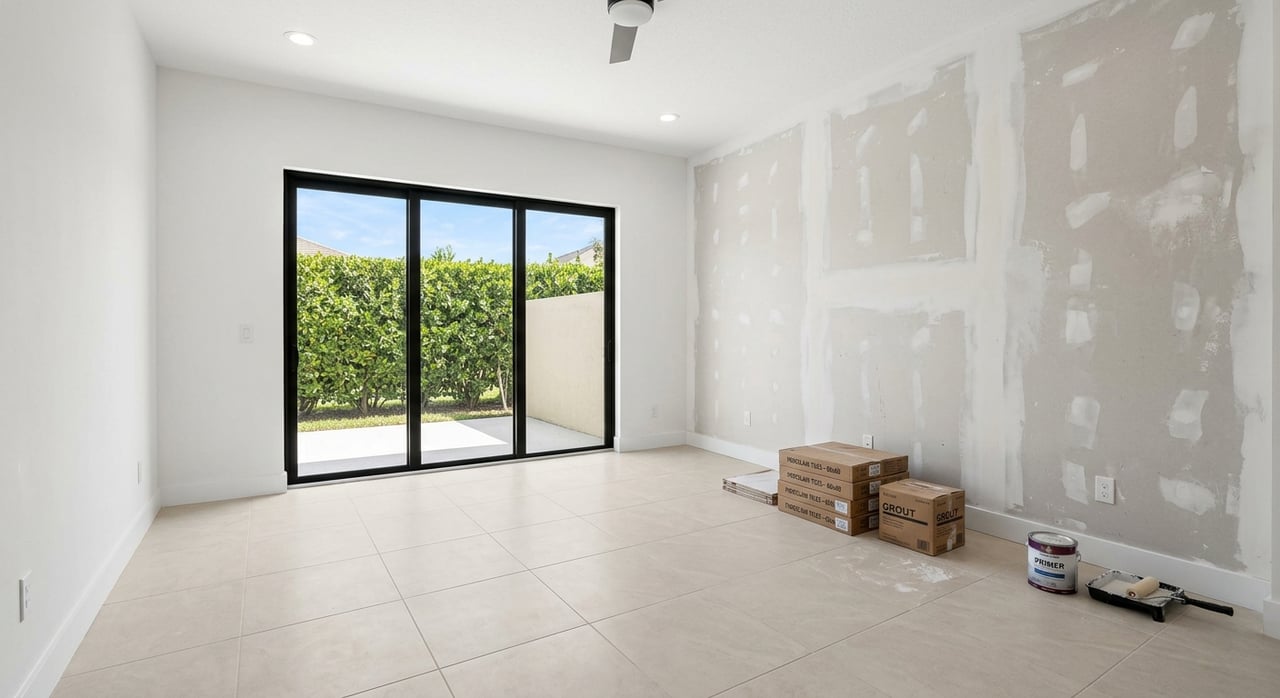
You should also look at how much renovation a property needs to compete in its likely rent bracket. If appreciation is tied in part to modernization and improved functionality, then your renovation budget becomes a key part of the investment story. A property that looks affordable upfront may require more capital to reach the rent level you expect.
A Practical Buy-and-Hold View
For many buyers, Poinsettia Heights makes the most sense as a central Fort Lauderdale hold with moderate gross income potential and room for thoughtful improvement over time. The neighborhood has active sale and rental inventory, current rent ranges across several unit types, and public infrastructure efforts that may support confidence over the long run.
At the same time, this is not a market where you should rely on broad averages alone. The smartest path is to combine neighborhood-level signals with property-level due diligence, realistic expense modeling, and a clear plan for leasing or management. That is especially true if you are buying remotely or want the property to perform with minimal friction.
If you are weighing whether a Poinsettia Heights rental fits your goals, working with someone who understands Fort Lauderdale micro-markets, leasing strategy, and property management can save you time and reduce surprises. Trent Head can help you evaluate opportunities, compare rental positioning, and build a plan that fits your investment timeline.
FAQs
What is the typical home value in Poinsettia Heights?
- Zillow reports a typical home value of $673,950 as of March 31, 2026, though median listing price figures from Zillow and Realtor.com are higher and should be treated as directional market signals.
What are current rental prices in Poinsettia Heights?
- Current asking rents shown in the research range from about $1,350 for some studios to $5,500 or more for larger homes and apartments, with many one- and two-bedroom options falling in between.
Is Poinsettia Heights better for long-term rentals or short-term rentals?
- Based on the research, Poinsettia Heights appears better suited to a long-term buy-and-hold strategy than a pure short-term-rental play, especially because short-term rentals in Fort Lauderdale come with registration and compliance requirements.
What rules apply to long-term landlords in Florida?
- Florida requires landlords to disclose the landlord’s name and address, maintain the property in code-compliant condition, properly handle security deposits, and provide flood disclosure for leases of one year or longer.
Does Fort Lauderdale regulate short-term rentals in Poinsettia Heights?
- Yes. Fort Lauderdale requires registration for qualifying properties rented for 30 days or less, and the city also requires compliance with applicable licensing, tax, and operating rules, including a noise-detection device requirement.
What is the Broward County tourist development tax for short-term rentals?
- The Broward County tourist development tax is 6%, and returns are due on the 1st and become late after the 20th of the following month.