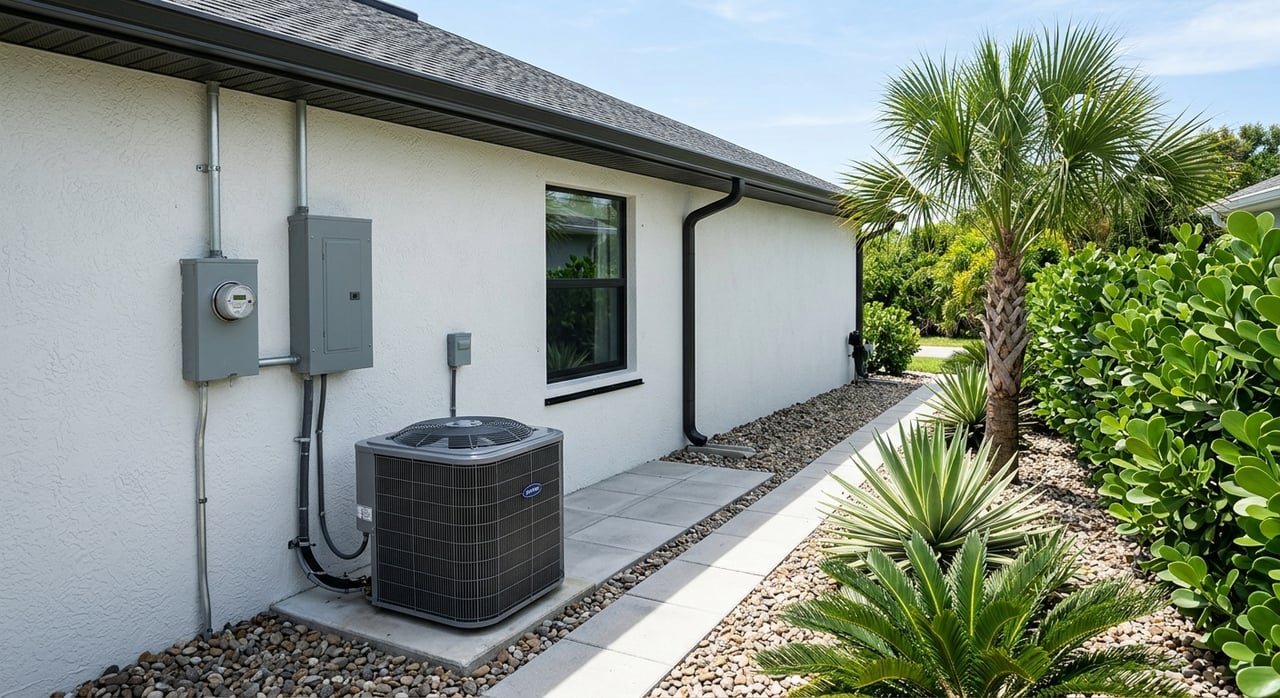
Getting your Coral Heights home ready for inspection is not just about making it look tidy. In an older Broward housing market, buyers, lenders, and insurers often pay close attention to the roof, major systems, visible maintenance, and paperwork. If you prepare the right way before you list, you can reduce surprises, protect your timeline, and make your sale feel much smoother. Let’s dive in.
Why inspection prep matters in Coral Heights
Coral Heights sellers should think beyond paint colors and staging. Broward County reports that 69.9% of the county’s housing supply was built before 1990, and only 5% was built since 2010. That matters because older homes are more likely to have code issues or deferred maintenance that can affect a transaction.
In practical terms, buyers may notice cosmetic updates, but inspectors, appraisers, and insurers are usually focused on function and condition. A clean-looking home can still raise concerns if the roof is aging, the electrical panel looks outdated, or records are missing for past work. That is why smart prep starts with the systems behind the walls and the documents that support them.
Start with your permit history
Before your home hits the market, review the property’s permit history. Fort Lauderdale keeps permit and plan records, and the city’s LauderBuild portal allows the public to search general record information and status online. For sellers, this makes permit review part of pre-listing prep, not something to deal with after a buyer asks questions.
Pay special attention to permits for big-ticket items. That includes reroofing, windows and doors, shutters, electrical work, and structural updates. If work was done and final inspections were completed, having that documentation ready can help answer buyer concerns quickly.
If you discover missing or unresolved permit issues, address them early. Delays are easier to handle before you are under contract than when a closing date is already on the calendar.
Focus on the roof first
In South Florida, the roof is often one of the first things an inspector or insurer will evaluate. Florida’s insurance guidance notes that if an insurer requests a four-point or specialized inspection and it is not provided, the insurer may refuse certain coverage or refuse to insure the property.
A four-point inspection commonly reviews the roof for type, age, condition, and visible deterioration. Some insurers may want at least five years of remaining useful life for roofs older than 15 years for shingles or 20 years for tile or metal. FHA-related appraisal guidance also expects the roof to keep moisture out and provide reasonable future utility, and the appraiser must report a roof with less than two years of remaining life.
That means you should gather any roof records you have before listing, such as:
- Installation or replacement invoices
- Warranties
- Repair receipts
- Permit records and final inspection documents
If you already know there are loose tiles, damaged shingles, leaks, or visible wear, it is usually better to deal with those items early. A roof concern can affect not just the inspection, but also insurance and financing.
Check electrical, plumbing, and HVAC
After the roof, the next major focus is usually your home’s core systems. Florida’s four-point inspection guidance covers electrical, plumbing, and HVAC, with attention to condition, age, operation, and visible issues.
For electrical, inspectors may look at the panel condition, exposed wiring, and outdated components. For plumbing, they may note pipe type, water-heater age, and any leaks. For HVAC, they often review age and whether the system appears to be operating as intended.
This is where records can work in your favor. Recent service invoices, maintenance receipts, and proof of repairs help show that your home has been cared for. If your air conditioning was serviced recently or your water heater was replaced, keep those records in one easy-to-access file.
Repair visible maintenance issues
Not every small flaw will derail a sale, but visible deferred maintenance can create concern. Fannie Mae notes that minor deferred maintenance can include things like minor plumbing leaks, cracked window glass, holes in window screens, missing handrails, and worn finishes. Even when repairs are not always required, these issues may still need to be reported.
The bigger risk is when visible issues suggest safety, soundness, or structural concerns. That can push a transaction toward repairs, reinspection, or extra lender conditions.
Before listing, walk through your home and look for items such as:
- Leaking faucets or visible plumbing drips
- Cracked window glass or damaged screens
- Missing handrails
- Exposed wiring
- Damaged exterior trim
- Signs of water intrusion
- Loose fixtures or hardware
These are often relatively small fixes, but they can shape how a buyer feels about the overall condition of the home. When several small issues pile up, they can make the home seem less maintained than it really is.
Tidy the exterior before inspection day
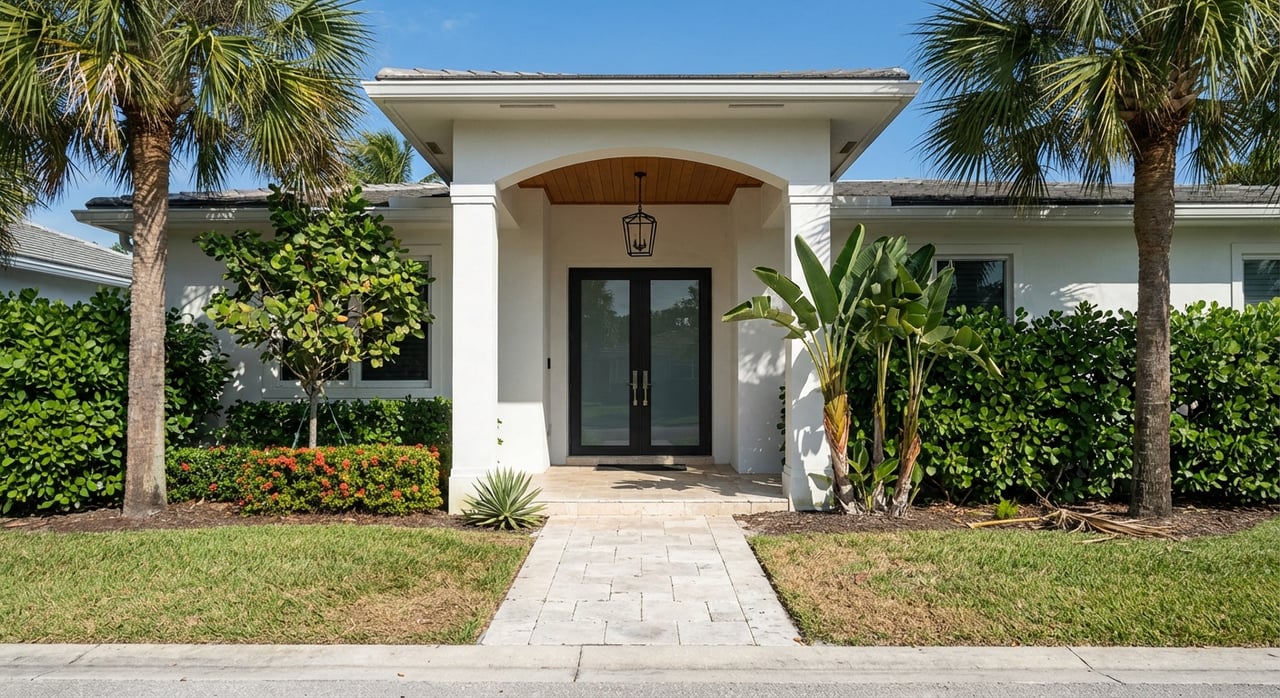
First impressions matter, and not only for showings. Florida insurance guidance says insurers may look at unrepaired damage, overgrown grass, dead limbs near the home, and other visible maintenance issues when underwriting a property.
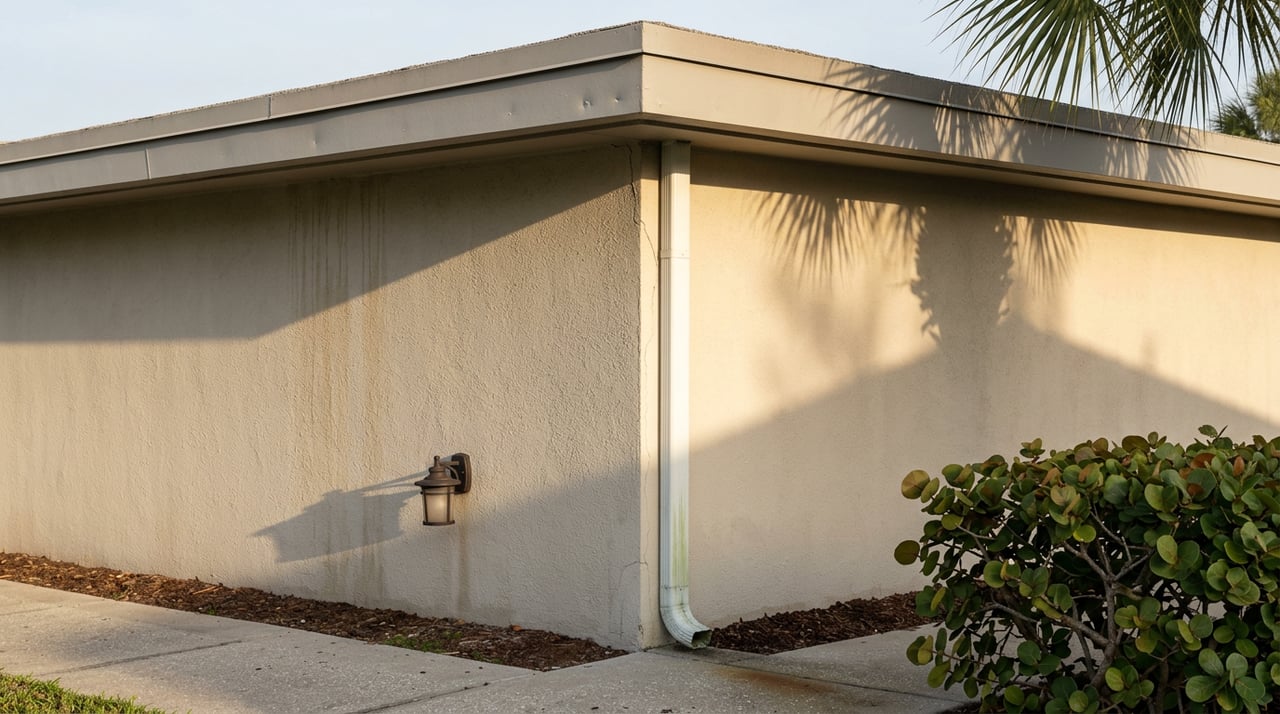
A clean exterior can help reduce red flags. DFS also recommends clearing gutters, trimming trees and branches, and securing loose objects around the home as part of hurricane mitigation and general upkeep.
Your exterior checklist should include:
- Clean out gutters
- Trim trees and dead branches
- Remove loose yard items
- Mow and edge the lawn
- Clear debris around the home
- Check fences, gates, and walkways for obvious issues
This kind of prep does not need to be expensive. It simply helps present the home as well maintained and ready for the next owner.
Gather documents before you list
One of the best ways to keep a sale moving is to prepare your paperwork in advance. In an older neighborhood, documentation can be just as important as the condition itself.
Try to gather records for:
- Roof replacement or repair
- HVAC service or replacement
- Plumbing repairs or updates
- Electrical work
- Window, door, or shutter installation
- Permit approvals and final inspections
- Warranties for major systems or components
If a buyer asks about the age of the AC, the last roof repair, or whether impact windows were permitted, you will be ready. That kind of organization builds confidence and can save time during negotiations.
Think about wind mitigation too
In Florida, wind mitigation is separate from a four-point inspection, but it can still affect the transaction. DFS says admitted insurers must offer mitigation discounts or credits, and homeowners need a properly completed inspection form to receive them.
The state’s mitigation guidance highlights features such as roof-to-wall clips or straps, shutters, impact-resistant windows, roof replacement or repair, and secondary water resistance. If your home has these features, having documentation ready may help a buyer understand the property’s insurance profile.
For eligible homeowners, the My Safe Florida Home Program offers free hurricane mitigation inspections and matching grants, with up to $10,000 in matching funds for qualifying improvements. If you are preparing well ahead of listing, this may be worth considering for projects that improve storm readiness.
Use licensed contractors for open items
If you still need to complete repairs or replacements, follow current city procedures. Fort Lauderdale says new permit submissions are handled digitally through LauderBuild, and permit work submitted after December 31, 2023 is subject to the 2023 Florida Building Code, 8th edition.
Using licensed contractors and proper permit procedures helps protect your sale. It also reduces the chance of last-minute questions about whether work was completed correctly or legally.
What can delay closing
Many sellers worry that a home inspection means every cosmetic flaw will become a major problem. In reality, the biggest closing risks are usually visible defects, missing paperwork, and unresolved lender or insurance conditions.
If an insurer requests a four-point or specialized inspection, that request needs to be satisfied. If a lender or appraiser identifies a deficiency that affects safety, soundness, or structural integrity, the file may move into a repair or reinspection path.
That is why pre-listing prep matters so much in Coral Heights. Small repairs and complete documentation often do more to protect your sale than cosmetic upgrades alone.
A simple Coral Heights prep plan
If you want a practical way to get started, follow this order:
- Review permit history through Fort Lauderdale records.
- Gather roof, HVAC, plumbing, and electrical documents.
- Repair visible maintenance and safety issues.
- Tidy the exterior and clear storm-related hazards.
- Address open projects using licensed contractors and current permit procedures.
- Organize everything before showings and contract negotiations begin.
This approach can help you list with fewer surprises and stronger confidence.
If you are getting ready to sell in Coral Heights, thoughtful preparation can make a real difference in how smoothly your home moves from listing to closing. For guidance on what buyers are likely to notice and how to position your home for a cleaner transaction, connect with Trent Head.
FAQs
What should Coral Heights sellers fix before a home inspection?
- Focus first on roof concerns, visible leaks, electrical issues, plumbing problems, HVAC maintenance, cracked glass, missing handrails, and other items that suggest deferred maintenance or safety concerns.
Why does permit history matter when selling a Coral Heights home?
- Fort Lauderdale keeps permit and plan records, and buyers may want to confirm that major work like roofing, windows, doors, shutters, electrical updates, or structural changes was properly permitted and finalized.
What is a four-point inspection for a Fort Lauderdale home sale?
- A four-point inspection commonly reviews the roof, electrical, plumbing, and HVAC systems, and insurers may require it for older homes when considering coverage.
Can an older roof affect a Coral Heights home sale?
- Yes. Roof age, condition, and remaining useful life can affect insurance and appraisal outcomes, especially if there is visible deterioration or limited life left.
Should Coral Heights homeowners gather repair records before listing?
- Yes. Service invoices, warranties, and proof of repairs can help support the condition of the home and answer buyer, lender, and insurer questions more efficiently.