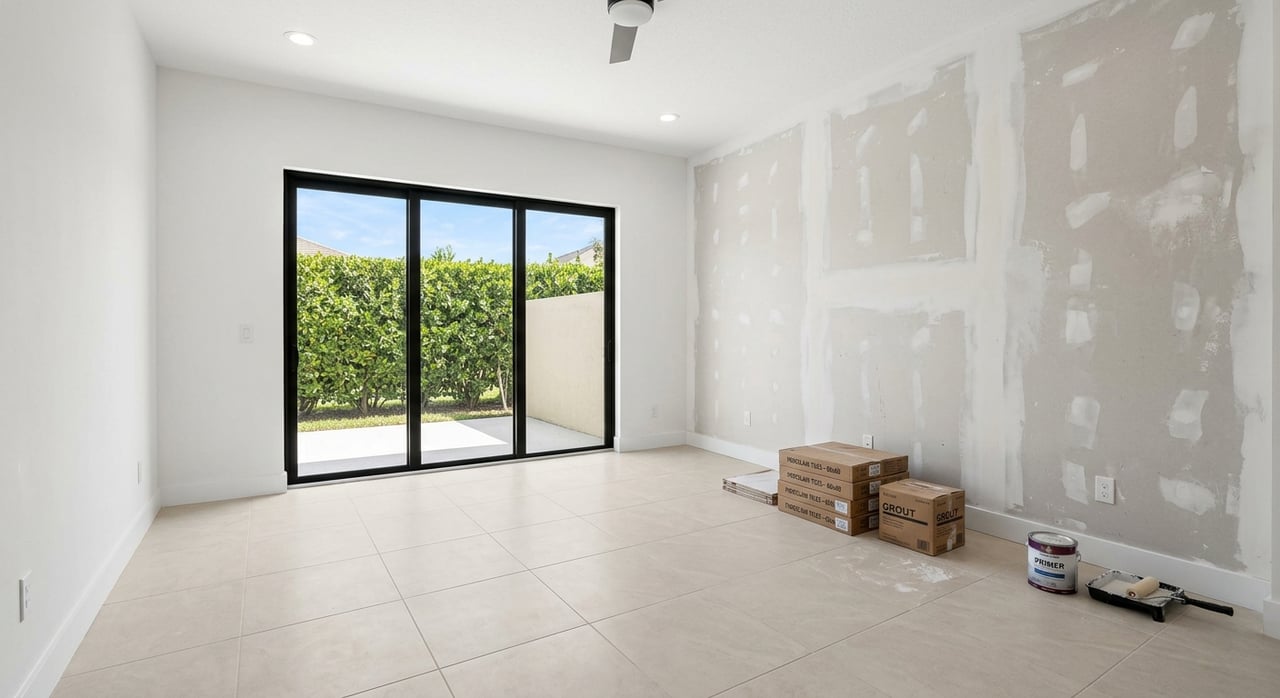
Trying to choose between a fixer-upper and a move-in-ready home in Poinsettia Heights? That decision can feel especially tricky in an older Fort Lauderdale neighborhood where charm, maintenance, and renovation costs all show up in the same conversation. If you want to know whether it makes more sense to pay for updates up front or take on projects yourself, this guide will help you weigh the tradeoffs clearly. Let’s dive in.
Poinsettia Heights housing basics
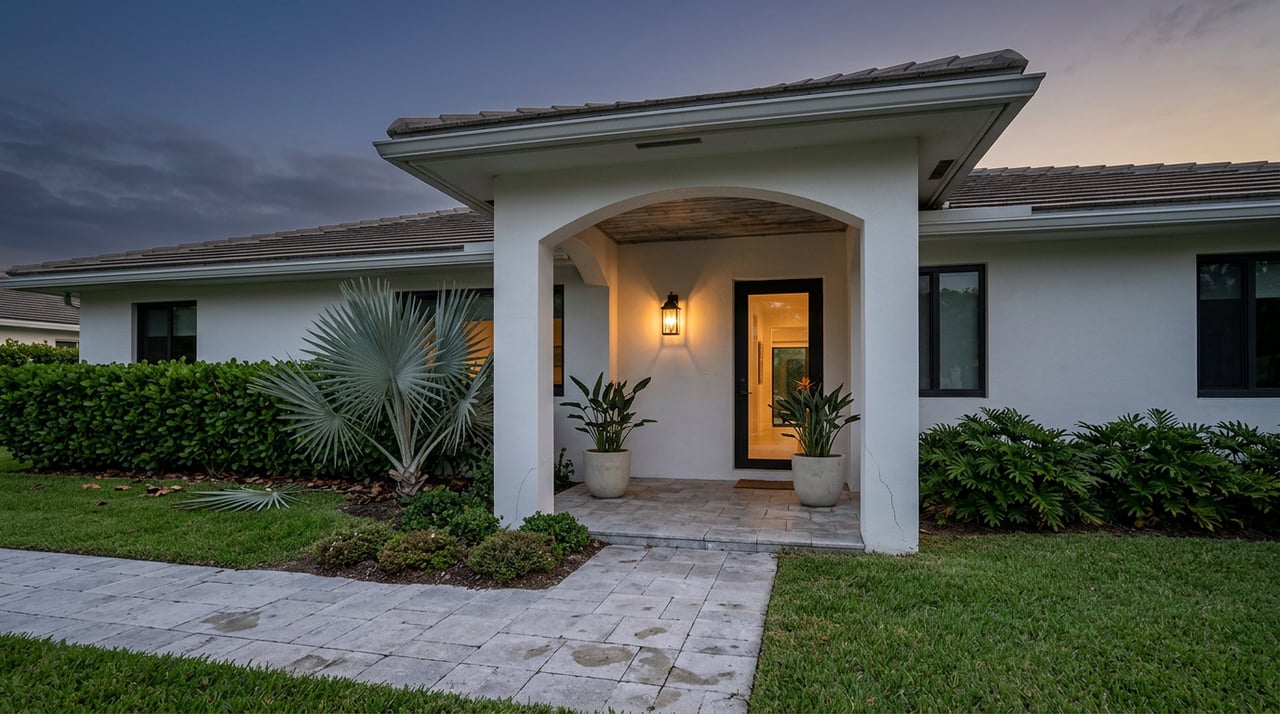
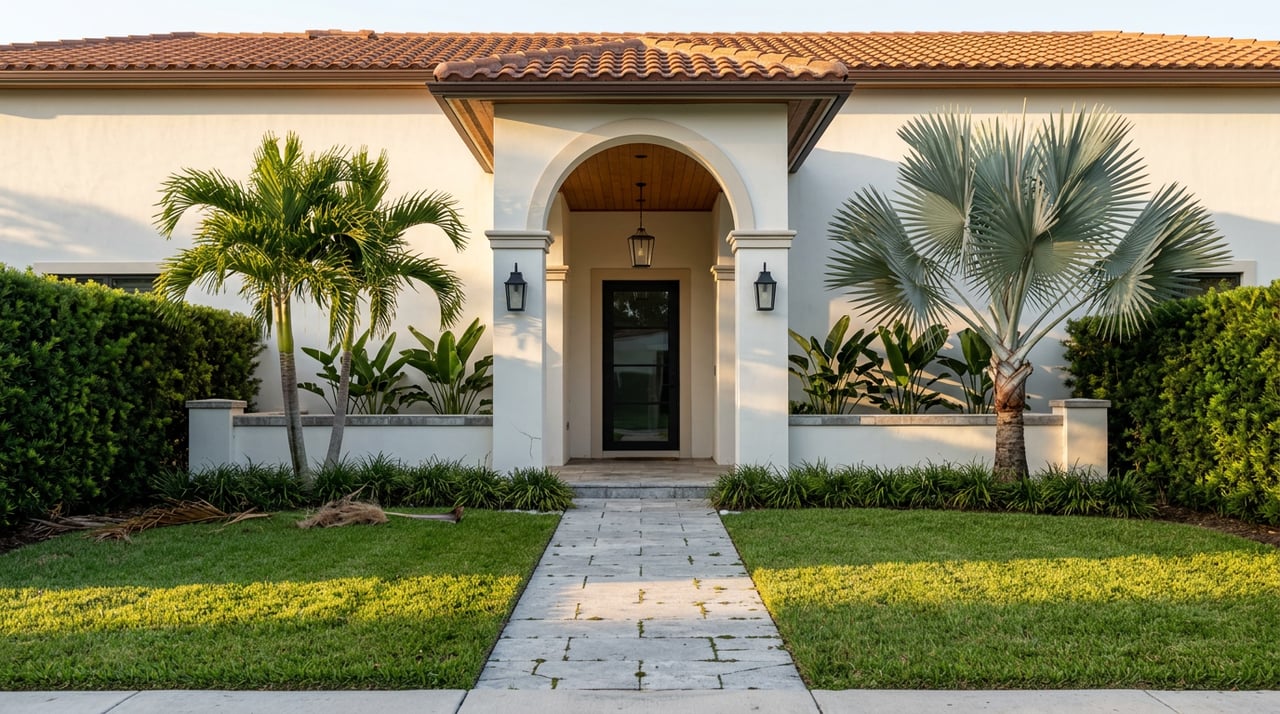
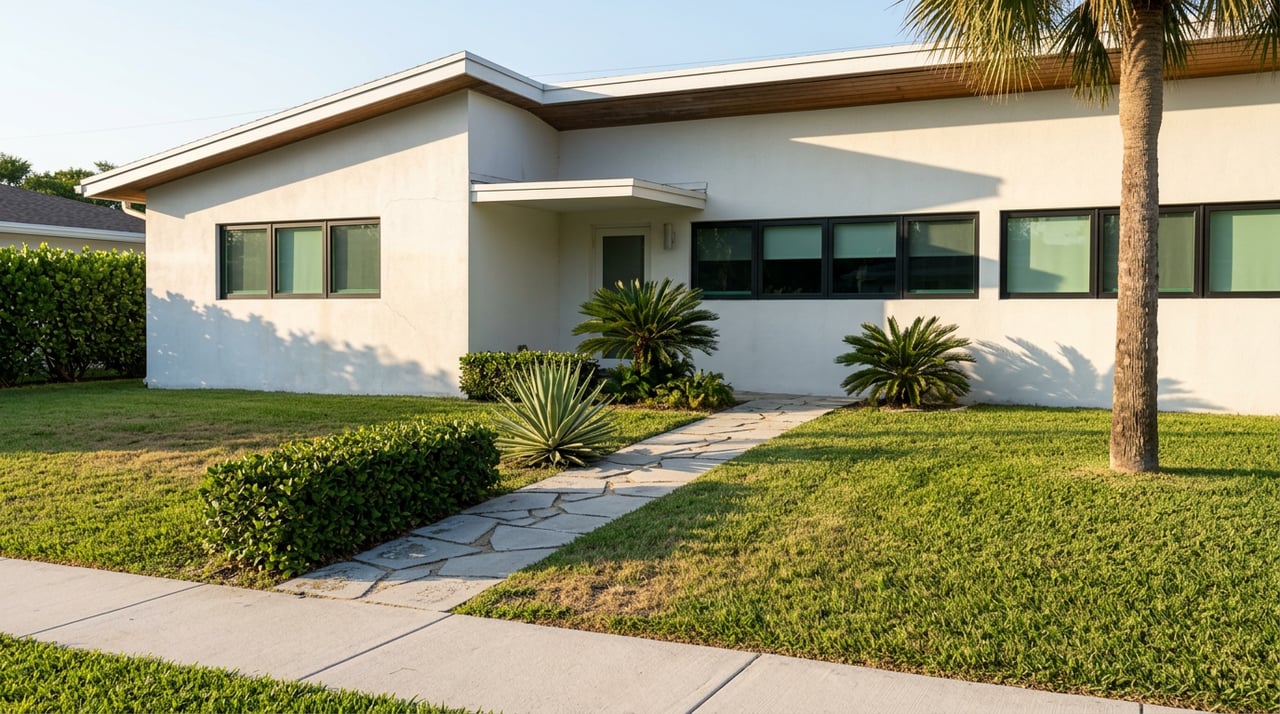
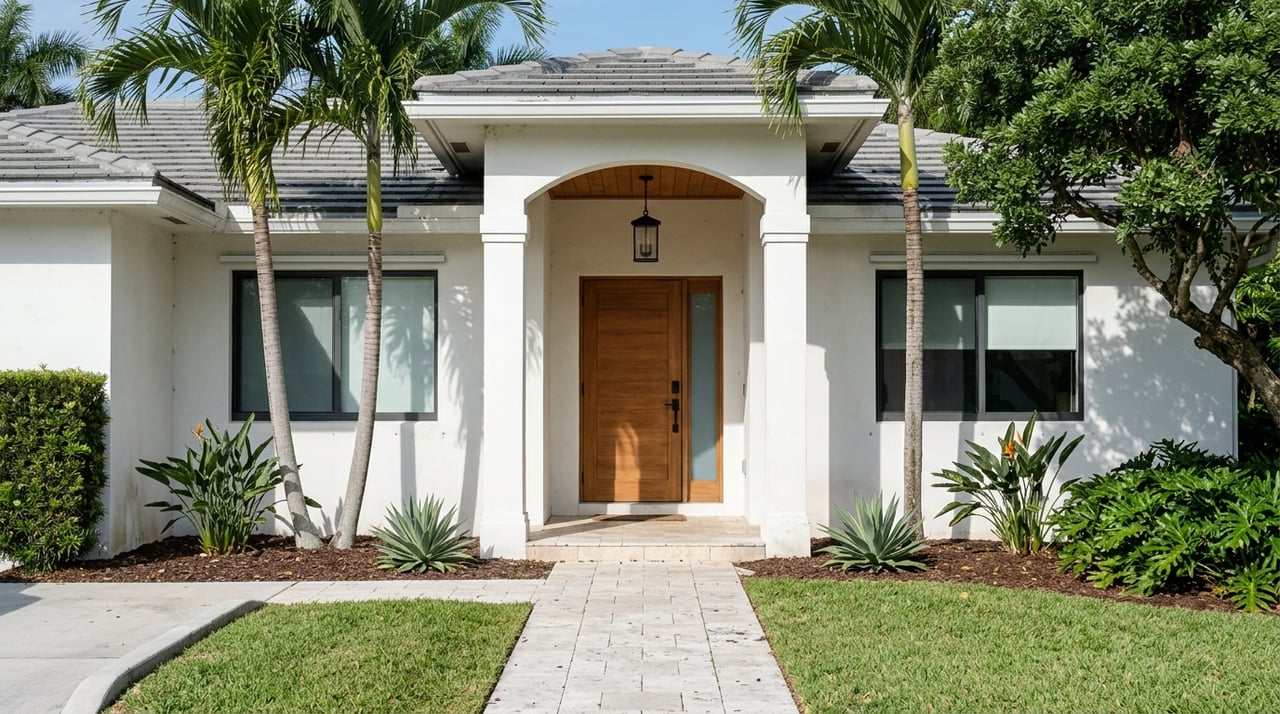
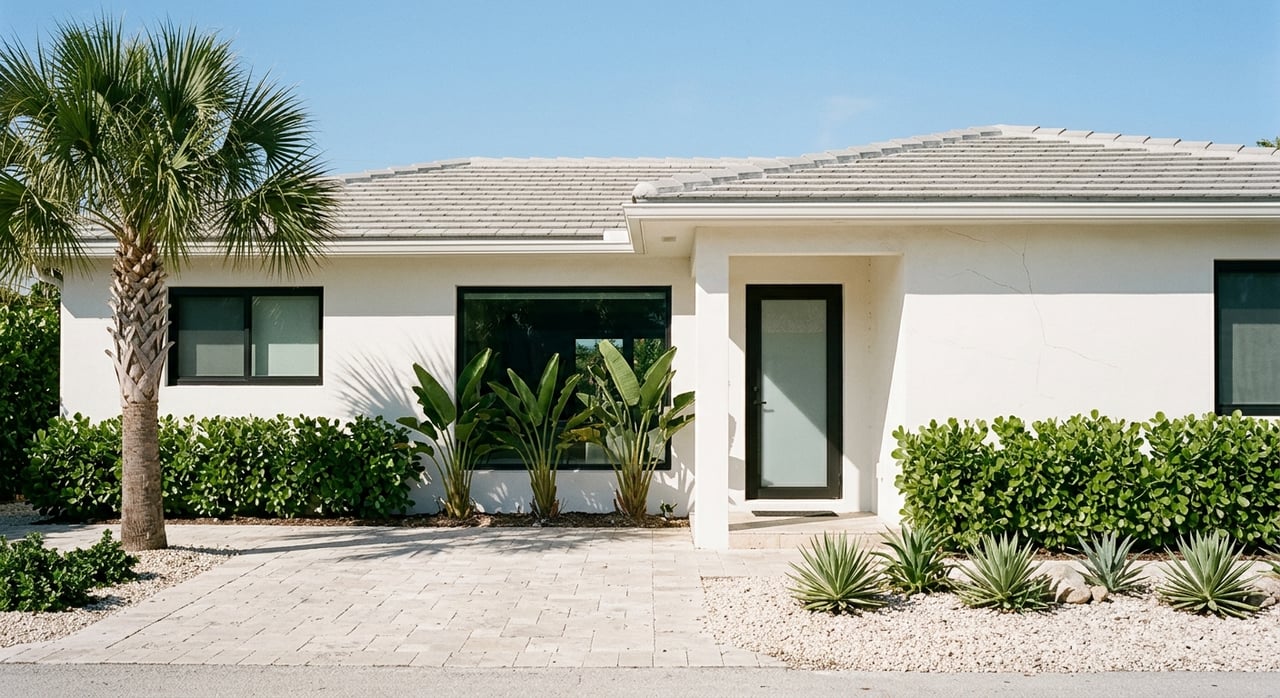
Poinsettia Heights is a mature neighborhood with housing stock that is largely older and primarily made up of detached single-family homes. According to the Poinsettia Heights Civic Association neighborhood history, the original development dates to the years right after World War II, with most homes built in the 1950s and 1960s.
That older-home character matters when you compare fixer-uppers to turnkey options. It often means your decision is less about buying new versus old and more about buying an older home that has already been updated versus one that still needs major systems or cosmetic work.
The neighborhood also has relatively limited new inventory. Point2Homes neighborhood data reports a median construction year of 1975 and notes that only 37 homes were built since 2020, which supports the idea that most buyers here are shopping within an established housing stock rather than a wave of new construction.
What turnkey usually means here
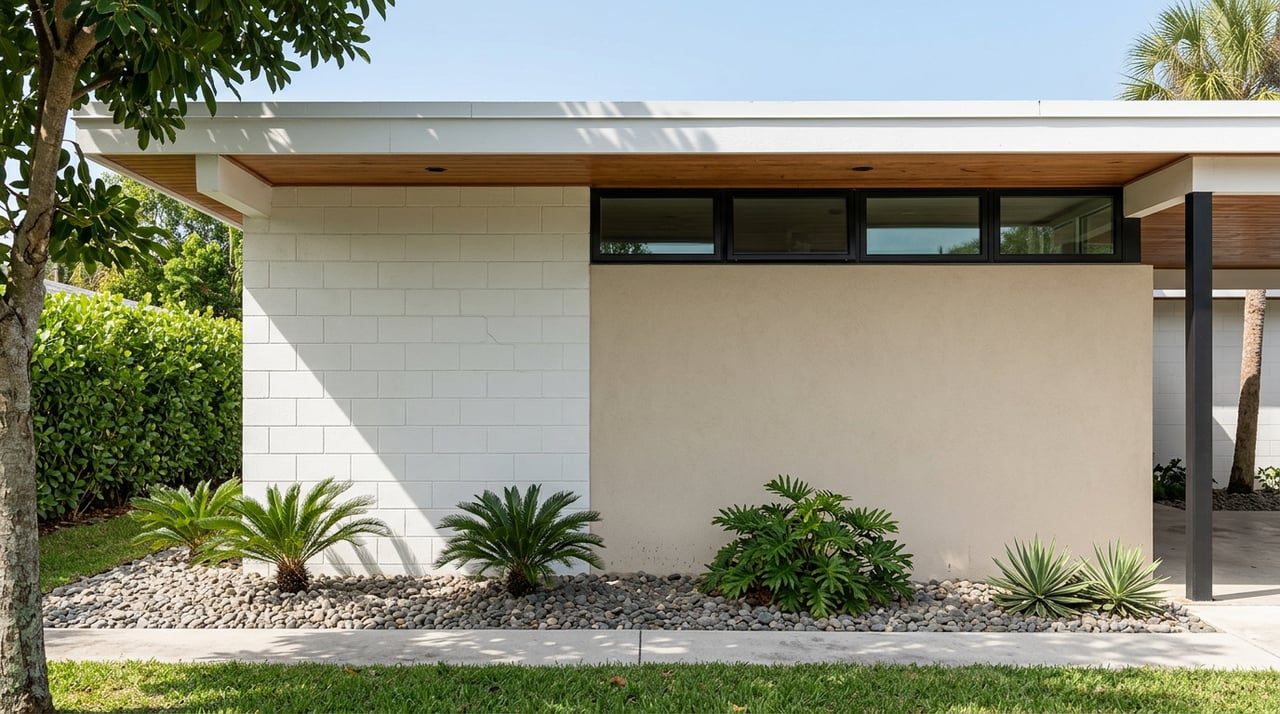
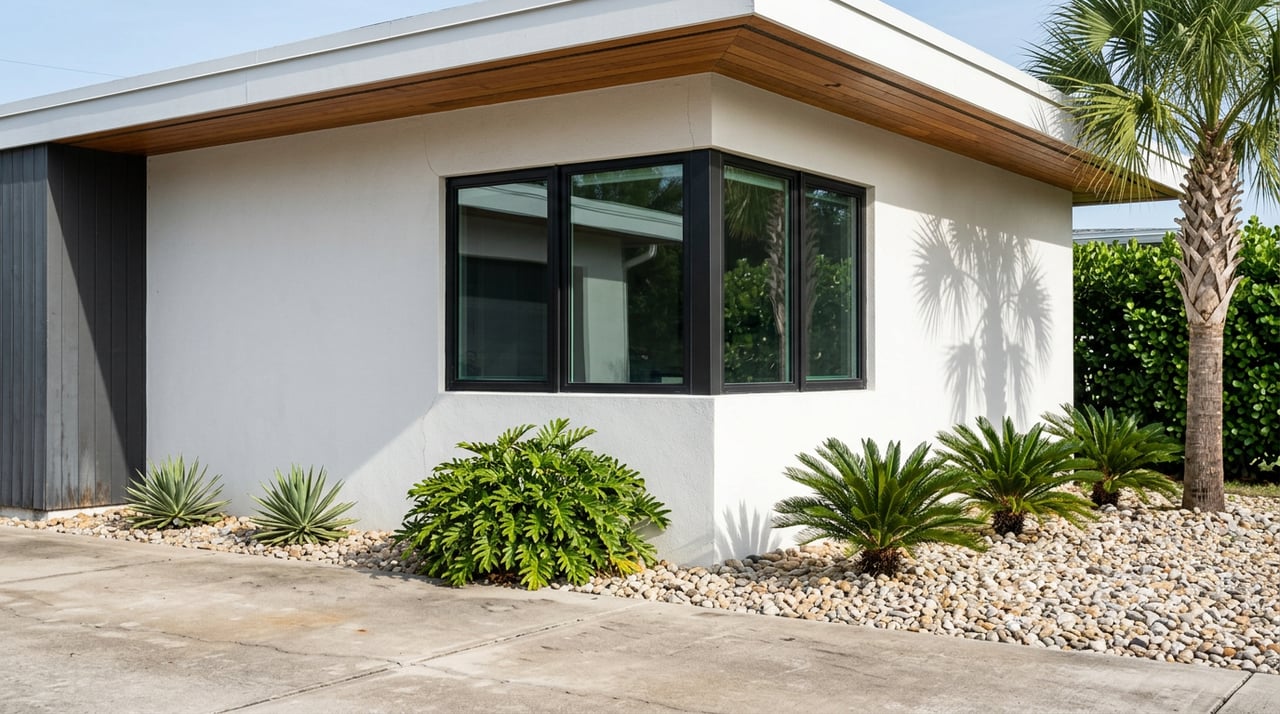
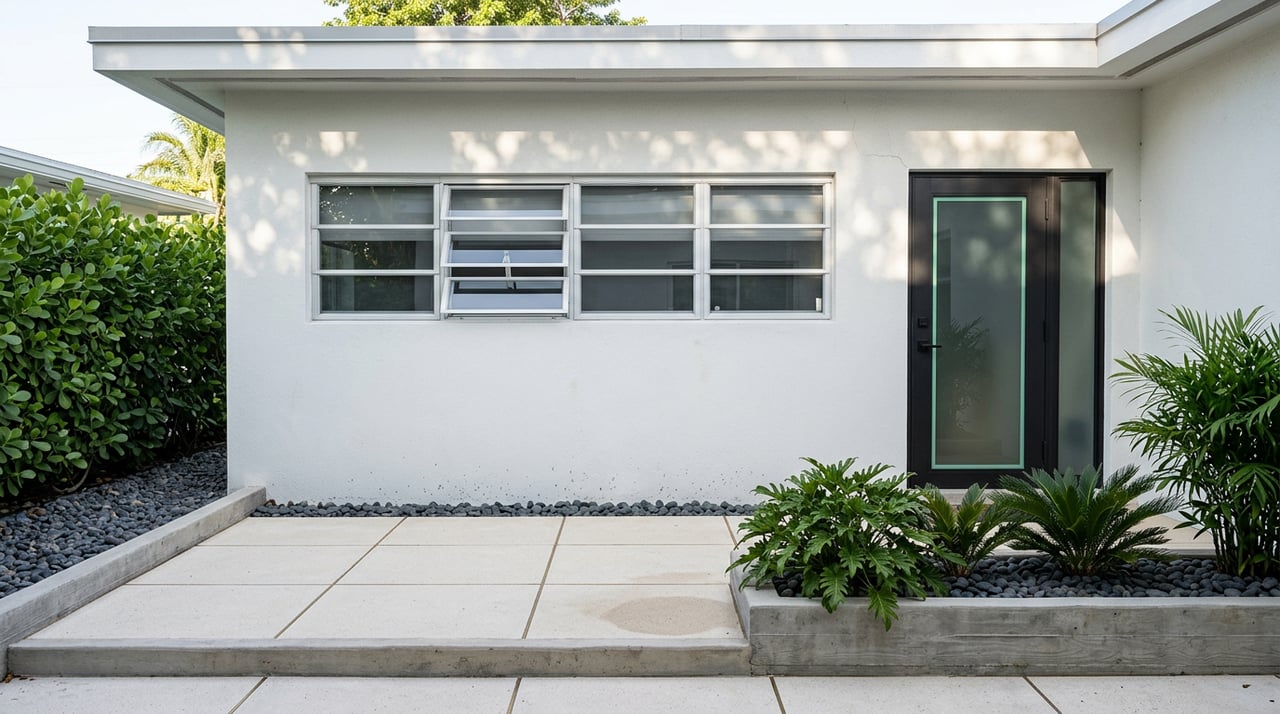
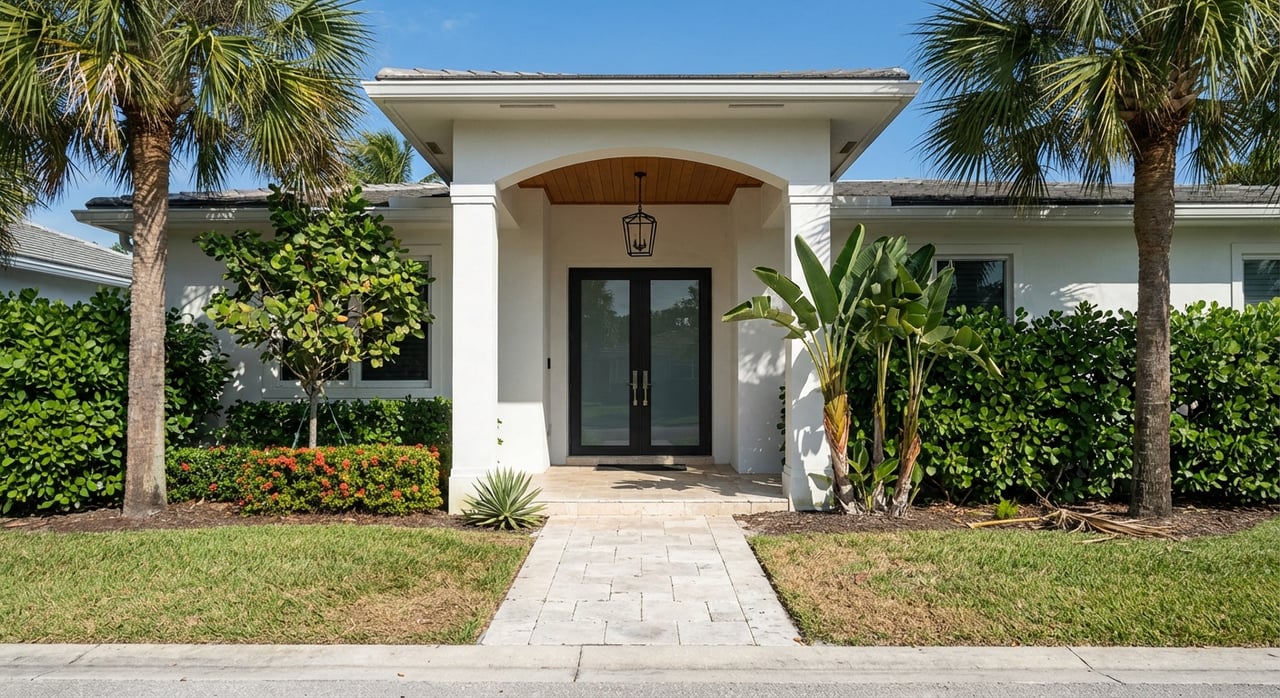
In Poinsettia Heights, a turnkey home usually does not mean brand-new construction. More often, it means an older home where the roof, windows, HVAC, plumbing, electrical, and interior finishes have already been addressed.
That can be very appealing if you want a smoother move, fewer early repair surprises, and more predictable budgeting in your first year of ownership. In a neighborhood where many homes predate modern storm-protection standards, paying a premium for completed updates can save you time and reduce near-term stress.
Market snapshots also suggest buyers should keep local pricing in perspective. Redfin’s neighborhood market snapshot showed a February 2026 median sale price of $935,000, while Realtor.com reported a median sale price of $975,000. With only a small number of monthly sales, those numbers can move quickly, which is why the condition of each individual home matters so much.
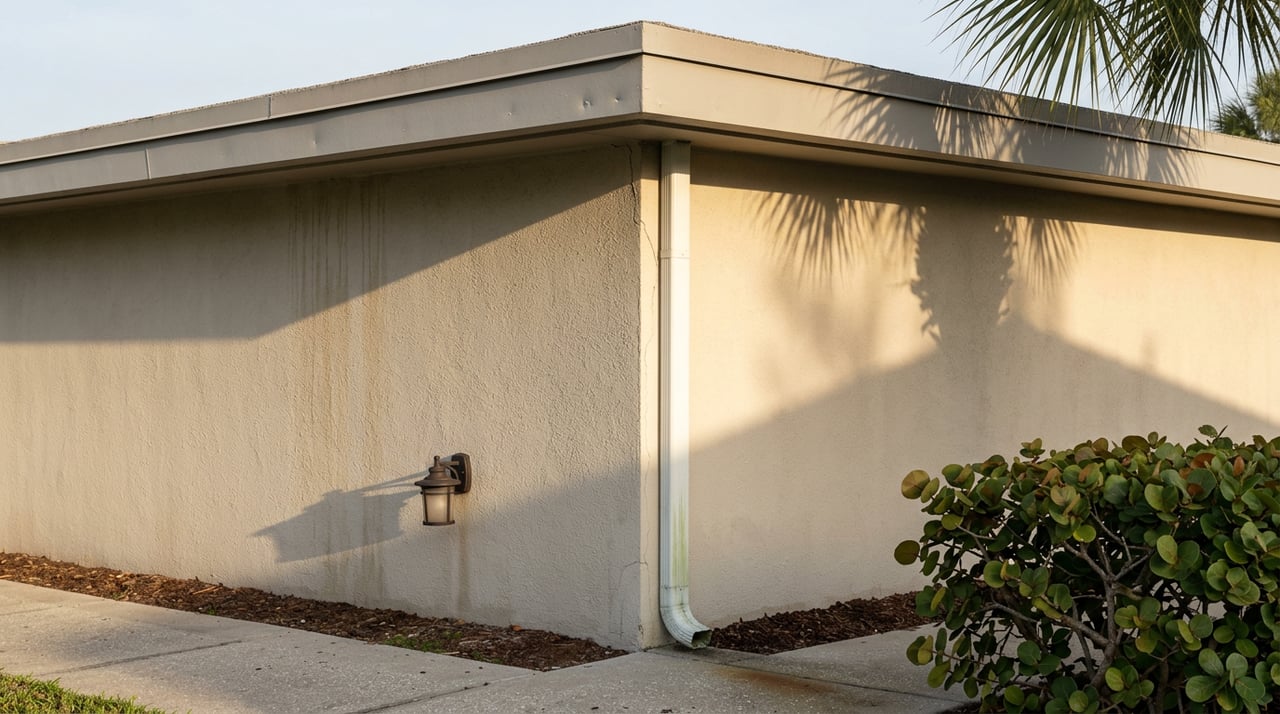
What a fixer-upper often involves
In this neighborhood, a fixer-upper usually means you should look closely at the big-ticket items first. The City of Fort Lauderdale Housing Rehabilitation Program lists common repair categories in older homes such as electrical, plumbing, roofing, windows, AC and heating, structural items, flooring, and bathroom repairs.
That gives you a practical framework for evaluating homes in Poinsettia Heights. If a property is dated but structurally sound, your real question is whether the purchase price leaves enough room to handle the needed repairs and upgrades without stretching your budget too far.
In South Florida, storm-readiness also belongs near the top of your list. My Safe Florida Home highlights priorities like roof-to-wall reinforcement, roof-deck nailing, secondary water barriers, impact windows or shutters, and roof replacement, all of which may be relevant for homes built before 2008.
The biggest costs to review
Before you commit to a fixer-upper, it helps to separate cosmetic wants from structural and systems needs. In Poinsettia Heights, the most important line items often include:
- Roof condition and expected remaining life
- Impact windows or shutters
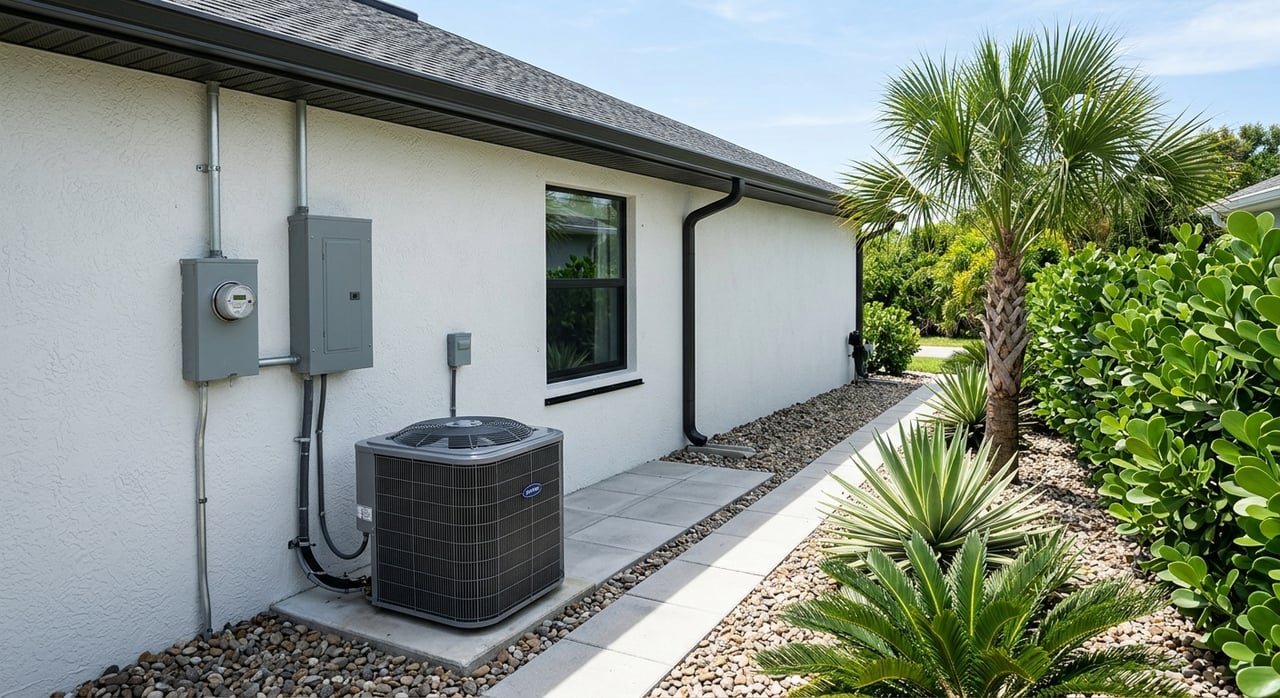
- HVAC age and performance
- Electrical updates
- Plumbing condition
- Bathroom and flooring repairs
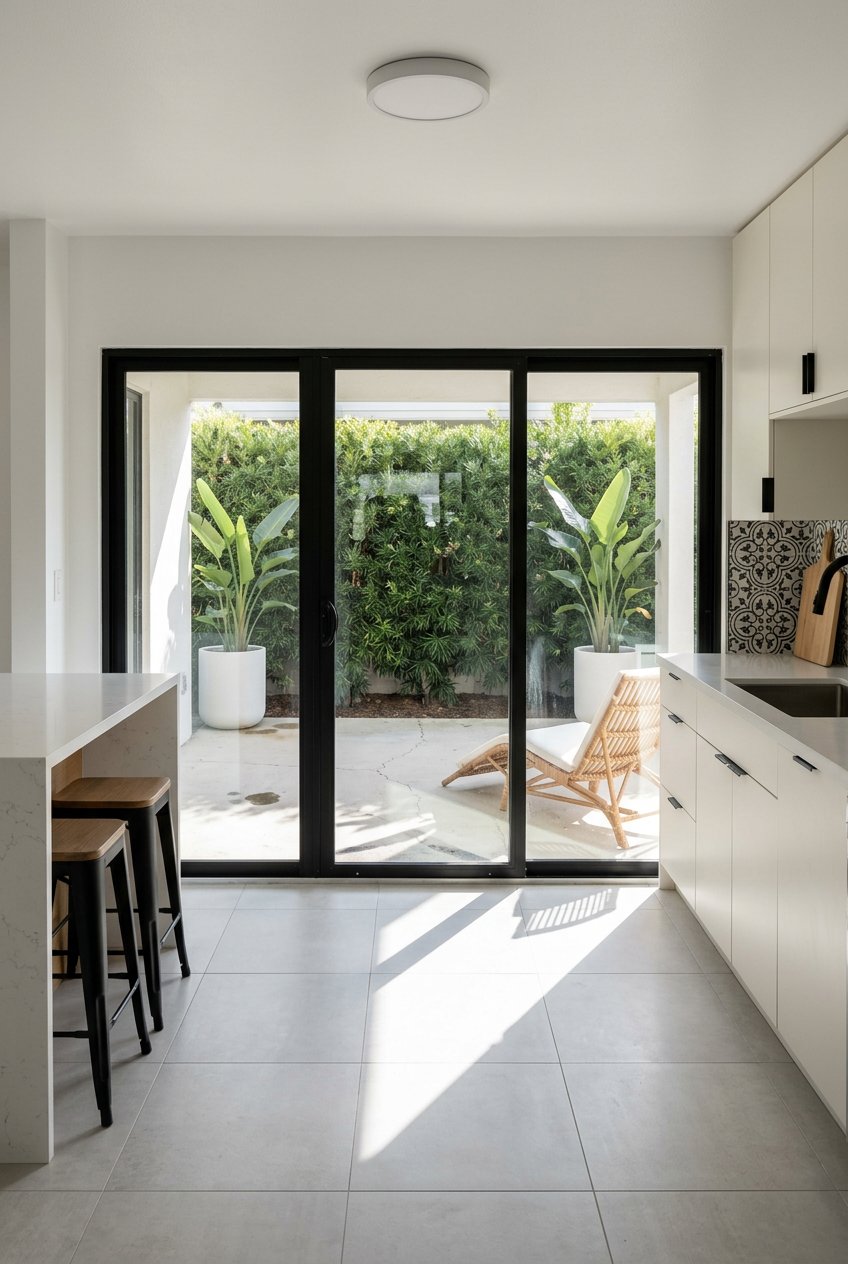
- Interior cosmetic updates like kitchen finishes, paint, and fixtures
The biggest cost often starts at the top of the house. My Safe Florida Home’s roof guidance says the Florida average cost for a shingle roof ranges from $15,090 to $28,110, making roof condition one of the first items to verify before closing.
Storm-hardening work can also add up, although some projects are more manageable than buyers expect. The same My Safe Florida Home planning tool lists approximate retrofit costs of $800 to $3,000 for roof-to-wall reinforcement, $1,000 to $4,000 for roof-deck nailing upgrades, $500 to $2,500 for a secondary water barrier, and $5,000 to $15,000 for impact windows or shutters. It also notes that a state grant of up to $10,000 may be available as a 2-to-1 match.
When turnkey is worth the premium
A turnkey home can be worth paying more for when your top priority is certainty. If you need predictable move-in timing, want to avoid major contractor coordination, or do not have cash set aside for immediate repairs, an updated home may be the better fit.
This is especially true in a neighborhood where deferred maintenance can hide in older roofs, windows, electrical systems, and plumbing. Paying more up front can sometimes be the simpler financial choice if it helps you avoid several major projects in the first 12 to 24 months.
Turnkey can also make sense if you value convenience over customization. Instead of managing renovations, permits, and work schedules, you can focus on settling into the home and neighborhood right away.
When a fixer-upper makes sense
A fixer-upper can be the smarter move if you buy at the right price and go in with a realistic plan. The best opportunities are often homes that are cosmetically dated but fundamentally sound, where your early dollars go toward safety, durability, and function rather than expensive over-improvement.
That approach lines up well with the local housing stock. In an older neighborhood like Poinsettia Heights, there can be solid value in purchasing a home that needs refreshes and prioritizing the work that protects the property first.
For many buyers, the strongest strategy is simple:
- Confirm the house is structurally sound.
- Price out roof, windows, HVAC, plumbing, and electrical needs.
- Check whether storm-mitigation improvements may qualify for assistance.
- Save cosmetic projects for phase two.
If the numbers still work after those steps, a fixer-upper may offer more upside than a fully renovated home with a built-in premium.
Which updates may pay off best
Not every renovation delivers the same resale return. If you buy a fixer-upper in Poinsettia Heights, it helps to think in terms of value protection first and style upgrades second.
According to the 2025 South Atlantic Cost vs. Value report from JLC, some smaller exterior projects posted stronger recoup rates than major luxury remodels. Examples include garage door replacement, steel entry door replacement, manufactured stone veneer, fiber-cement siding, vinyl windows, and asphalt-shingle roof replacement.
Kitchen and bathroom projects still matter, but scope matters even more. A Florida Realtors kitchen cost guide cites a medium kitchen remodel at $71,159 and a large kitchen remodel at $137,228, while JLC reports a minor kitchen remodel averaging $28,567 with stronger recoup than major kitchen overhauls.
Bathrooms show the same pattern. A Florida Realtors bathroom remodeling guide says partial bathroom remodels commonly run $5,000 to $15,000, while luxury versions can rise far higher. For many buyers, that means thoughtful updates often make more financial sense than going all-in on a high-end redesign.
A smart decision framework
If you are deciding between a fixer-upper and a turnkey home in Poinsettia Heights, use a simple filter: price, condition, and timeline.
Ask yourself these questions:
- How much cash can you comfortably reserve after closing?
- Can you handle a roof, windows, or HVAC project soon after purchase?
- Do you need to move in immediately with minimal disruption?
- Are you comfortable managing contractors and phased improvements?
- Is the premium on the turnkey home lower than your likely repair budget on the fixer?
In many cases, the best value comes from a middle-ground property. That could be a home with sound structure and key systems in decent shape, but with older finishes you can update over time.
The bottom line for Poinsettia Heights buyers
In Poinsettia Heights, the fixer-upper versus turnkey decision is really a question of how much risk, time, and renovation work you want to take on in an older single-family neighborhood. Turnkey homes can offer convenience and lower near-term repair risk, while fixer-uppers can create value if the purchase price leaves enough room for the upgrades that matter most.
The key is to focus on the right priorities first. Roof, windows, storm protection, HVAC, plumbing, and electrical usually deserve more attention than luxury finishes, especially in a mature South Florida neighborhood.
If you want help comparing specific homes in Poinsettia Heights and breaking down what is truly worth paying for, Trent Head can help you evaluate your options with clear, local guidance.
FAQs
What does a fixer-upper usually mean in Poinsettia Heights homes?
- In Poinsettia Heights, a fixer-upper often means an older single-family home that may need work on the roof, windows, HVAC, plumbing, electrical systems, flooring, or bathrooms, rather than just simple cosmetic updates.
Are turnkey homes in Poinsettia Heights usually new construction?
- No. In this neighborhood, turnkey usually means an older home that has already been renovated or updated, not a newly built home.
How old are most homes in Poinsettia Heights?
- Neighborhood history indicates many homes were originally developed in the 1940s through the 1960s, and Point2Homes reports a median construction year of 1975, reflecting a mature housing stock.
Which repairs should buyers prioritize in older Fort Lauderdale homes?
- Buyers should usually review roof condition, storm protection, windows, HVAC, plumbing, and electrical systems first, since those items can have the biggest impact on safety, insurance, and near-term costs.
Can storm-hardening upgrades help a fixer-upper budget in Poinsettia Heights?
- Yes. My Safe Florida Home says certain homes built before 2008 may qualify for mitigation funding, and eligible upgrades can include roof-related improvements, impact windows or shutters, and other storm-protection measures.