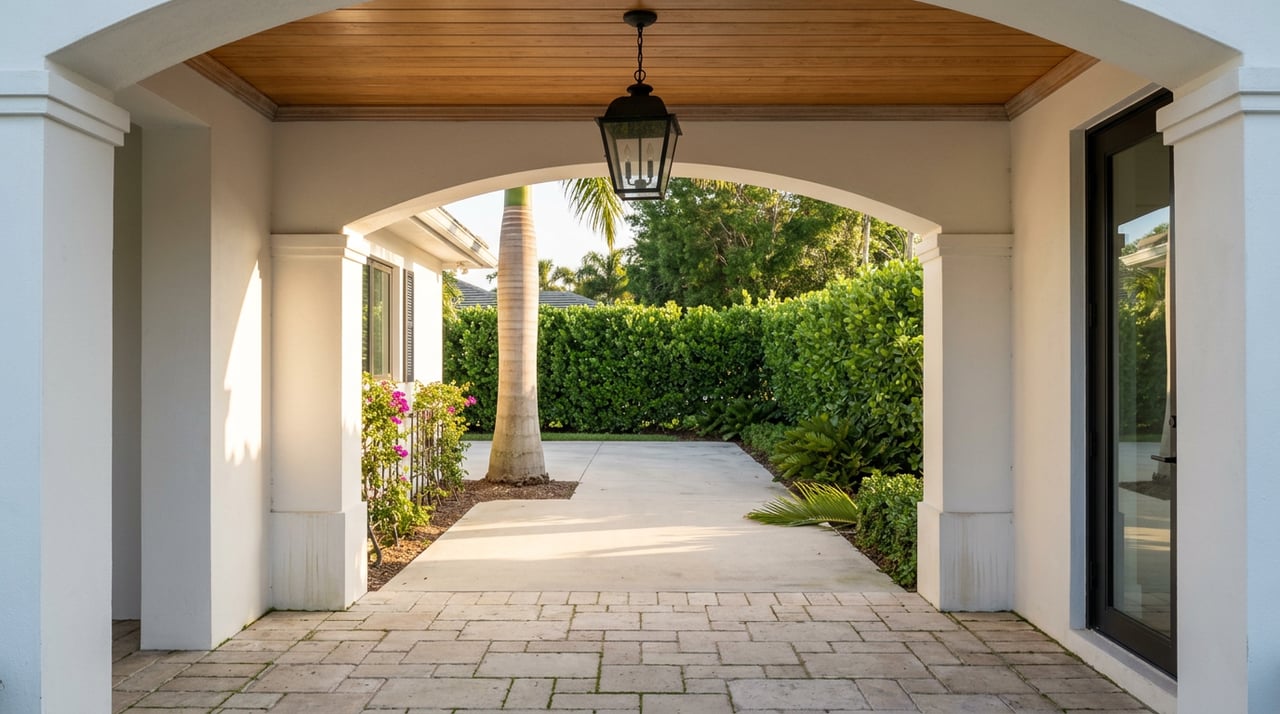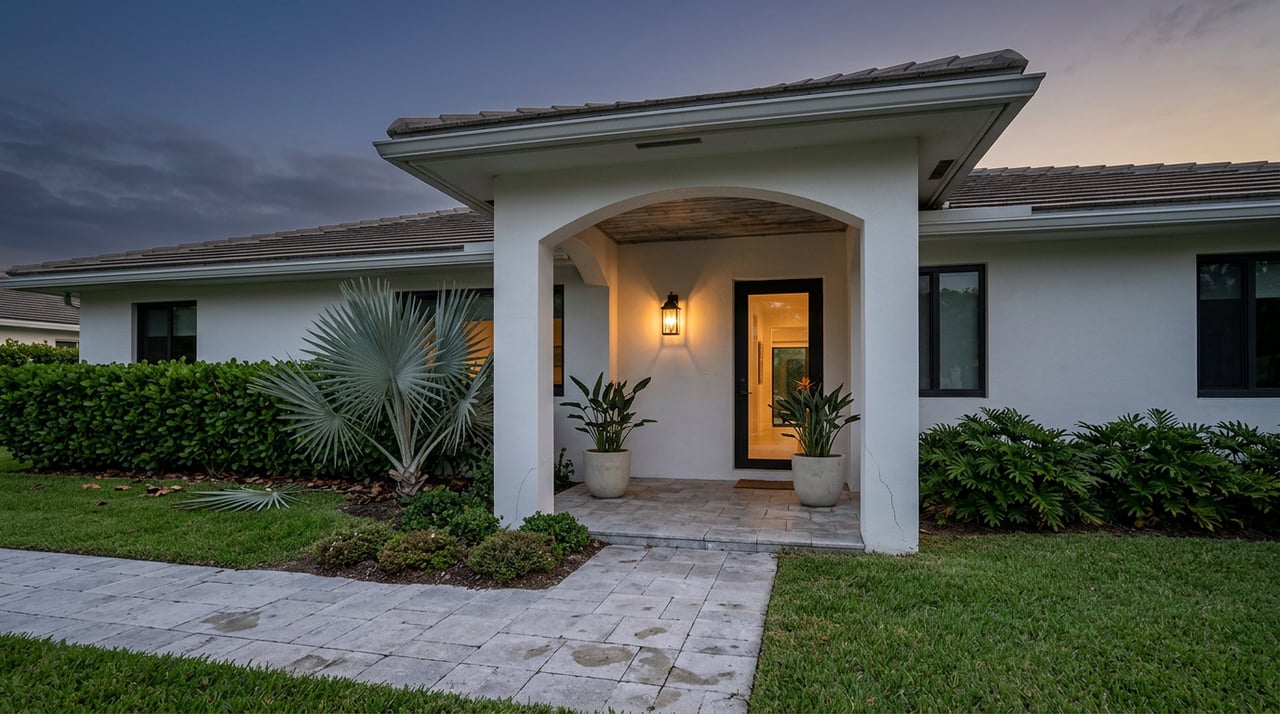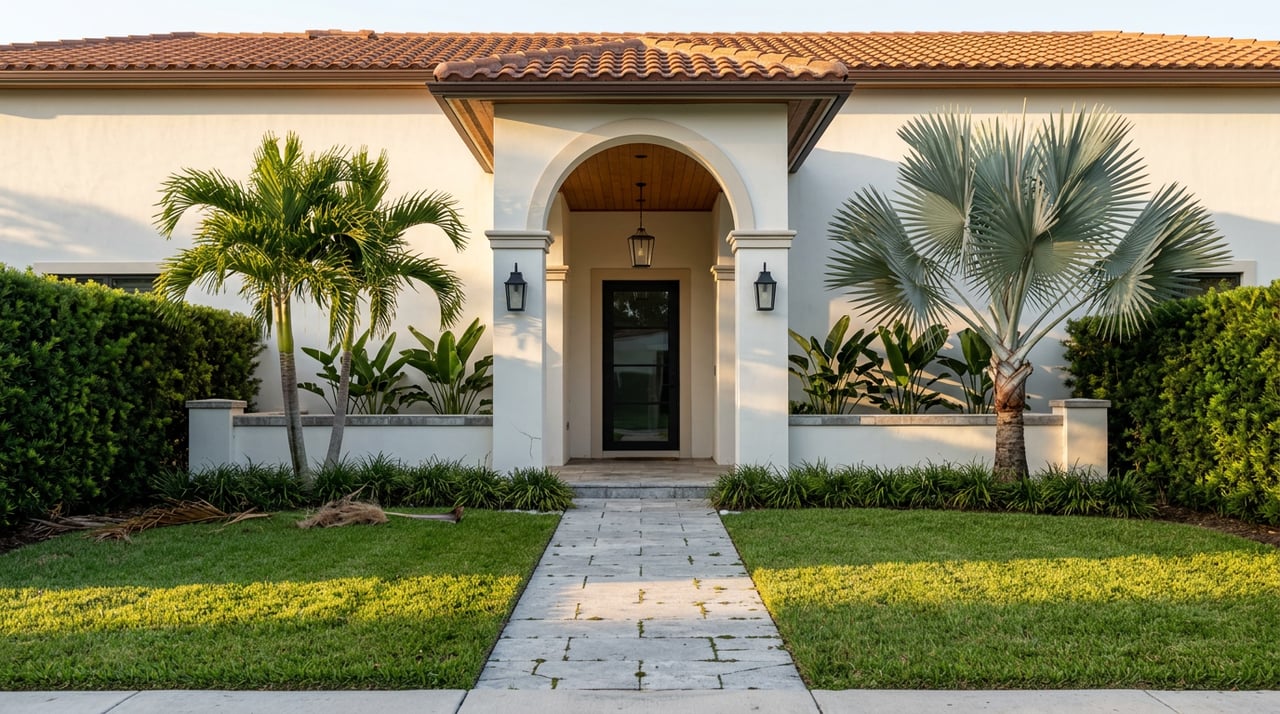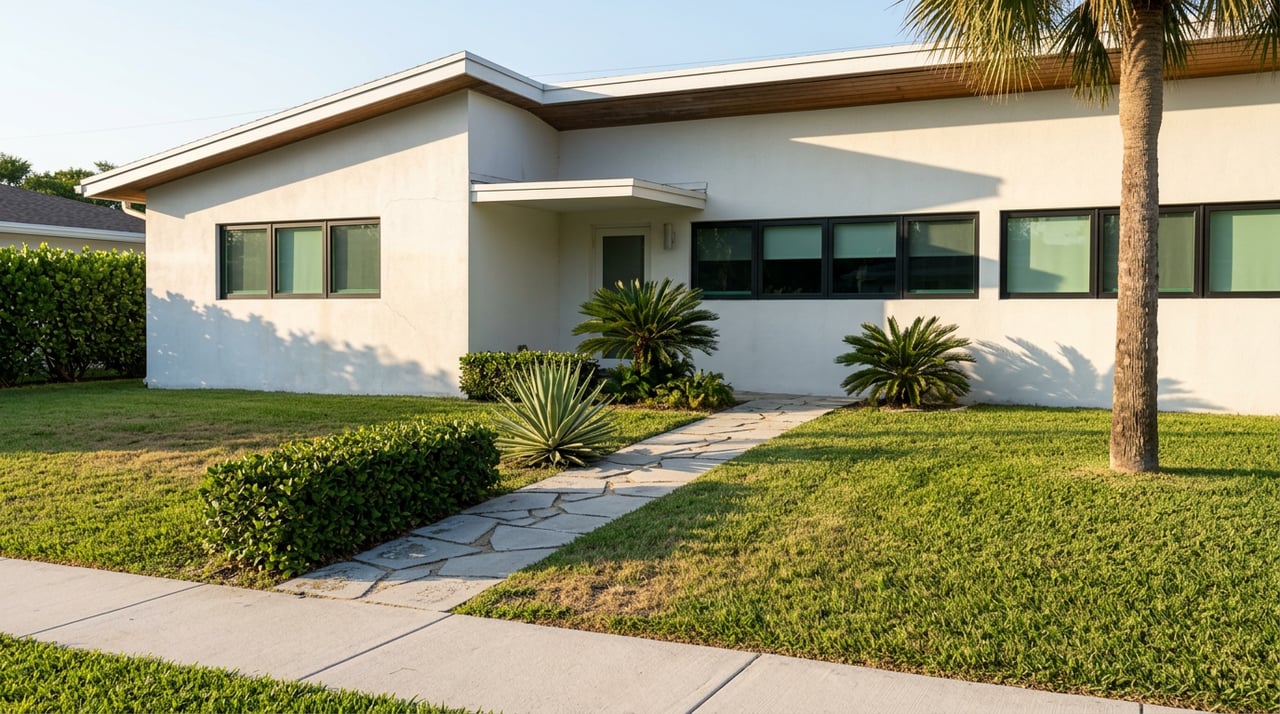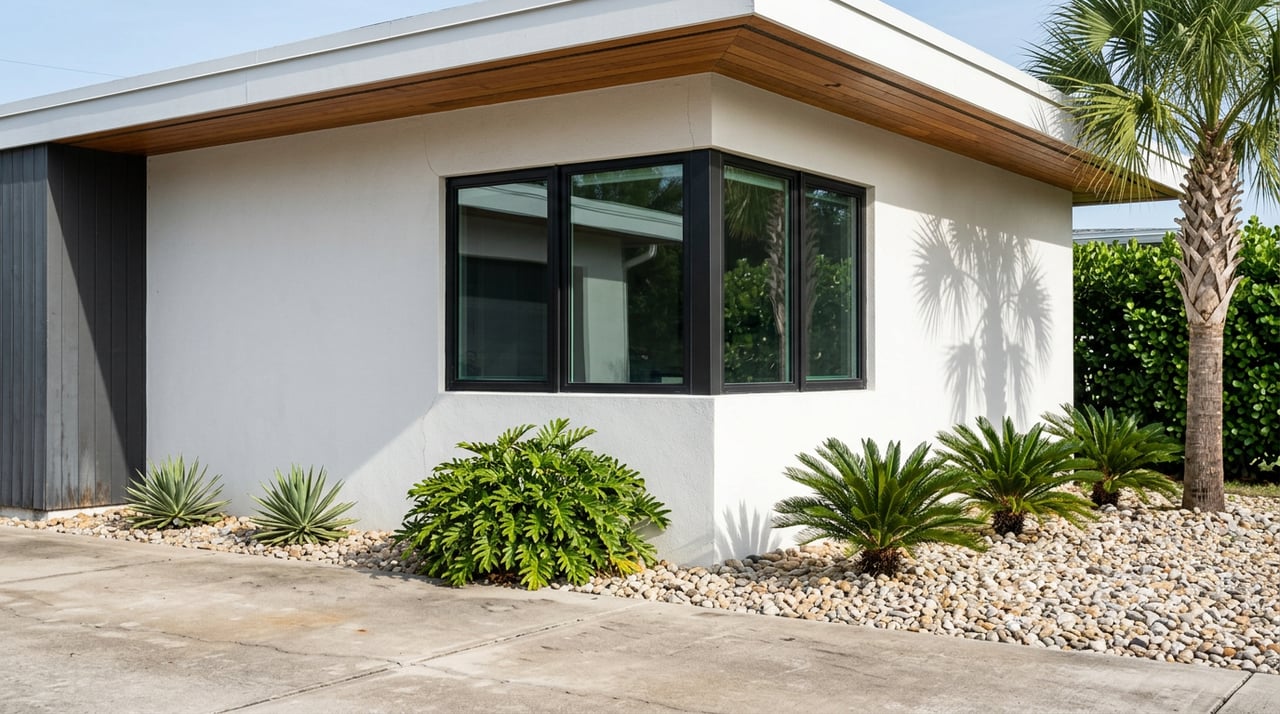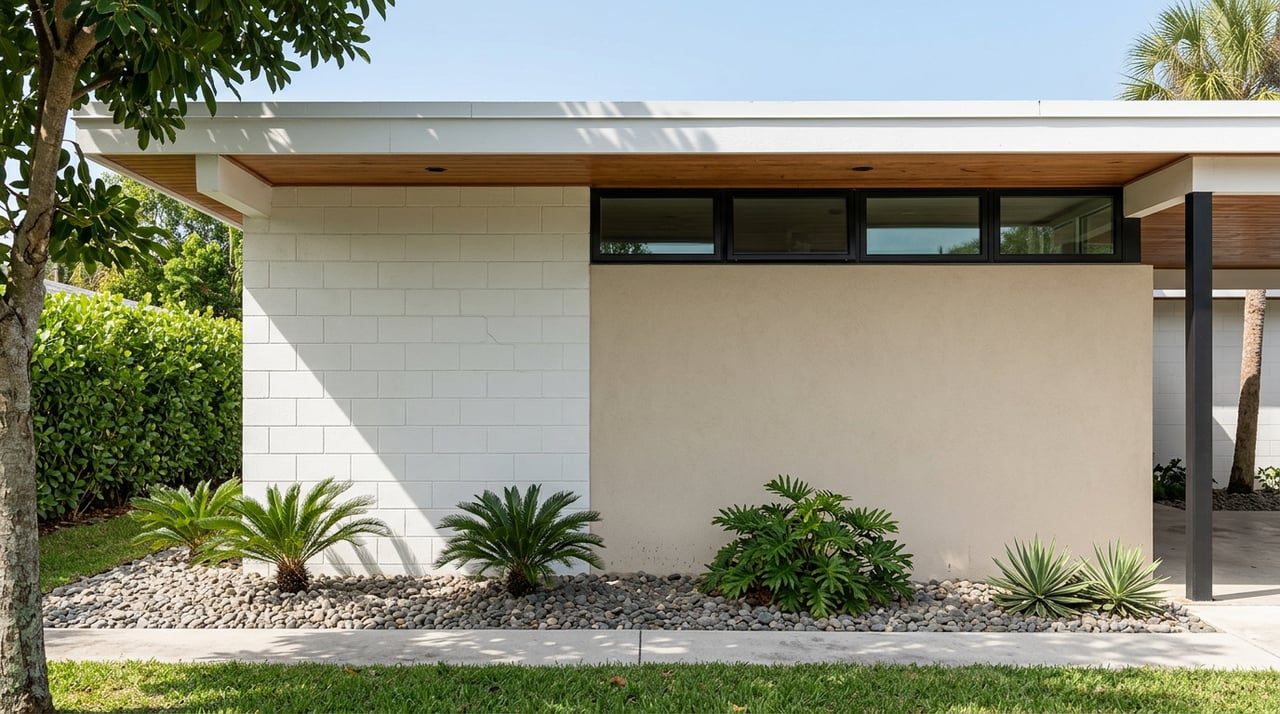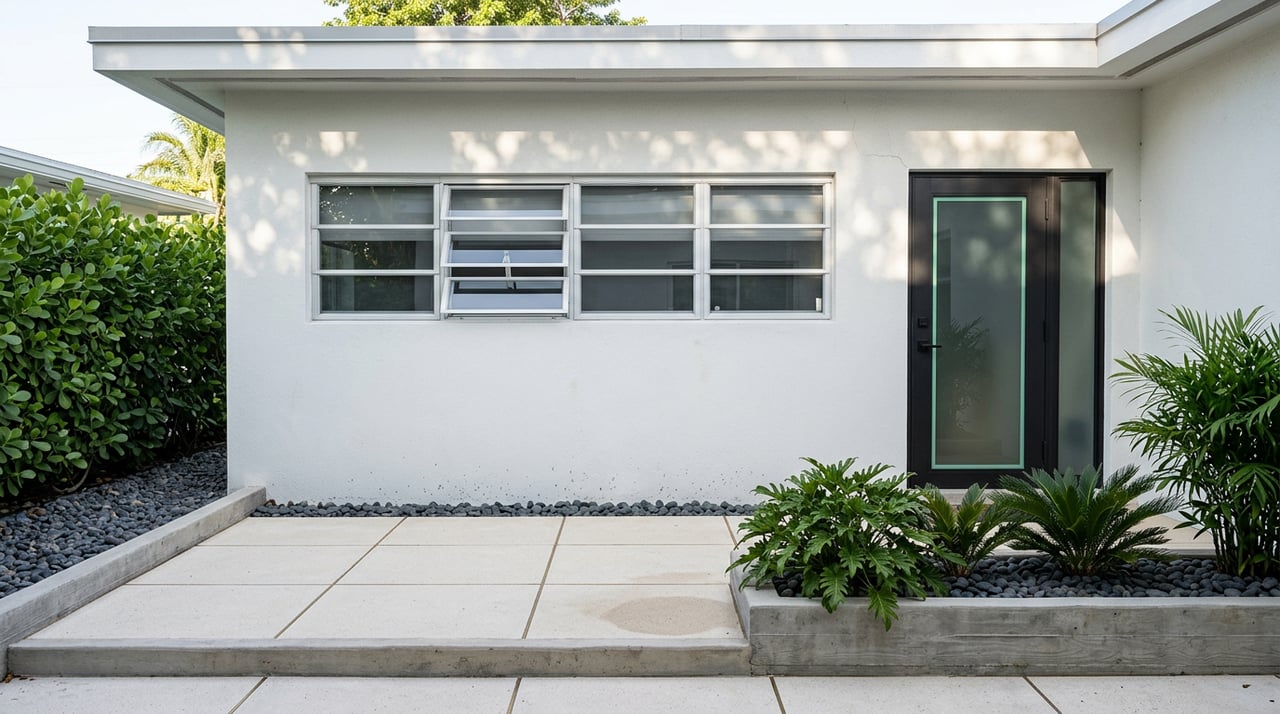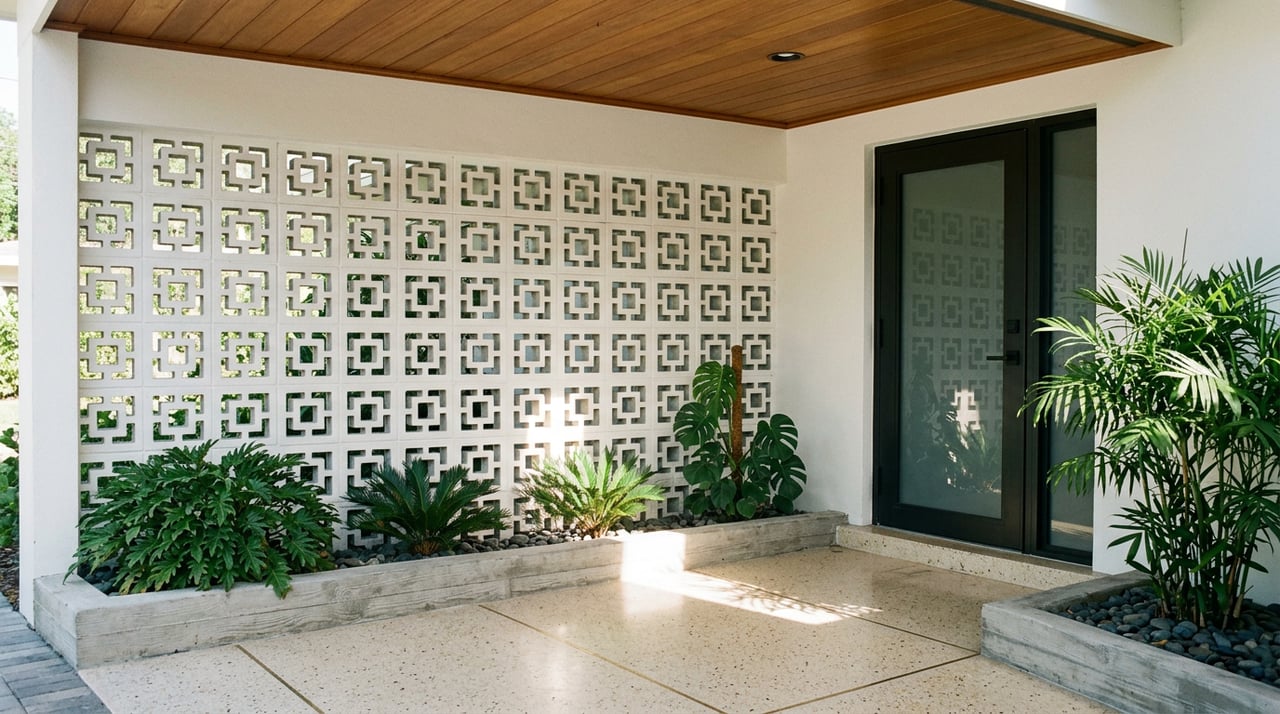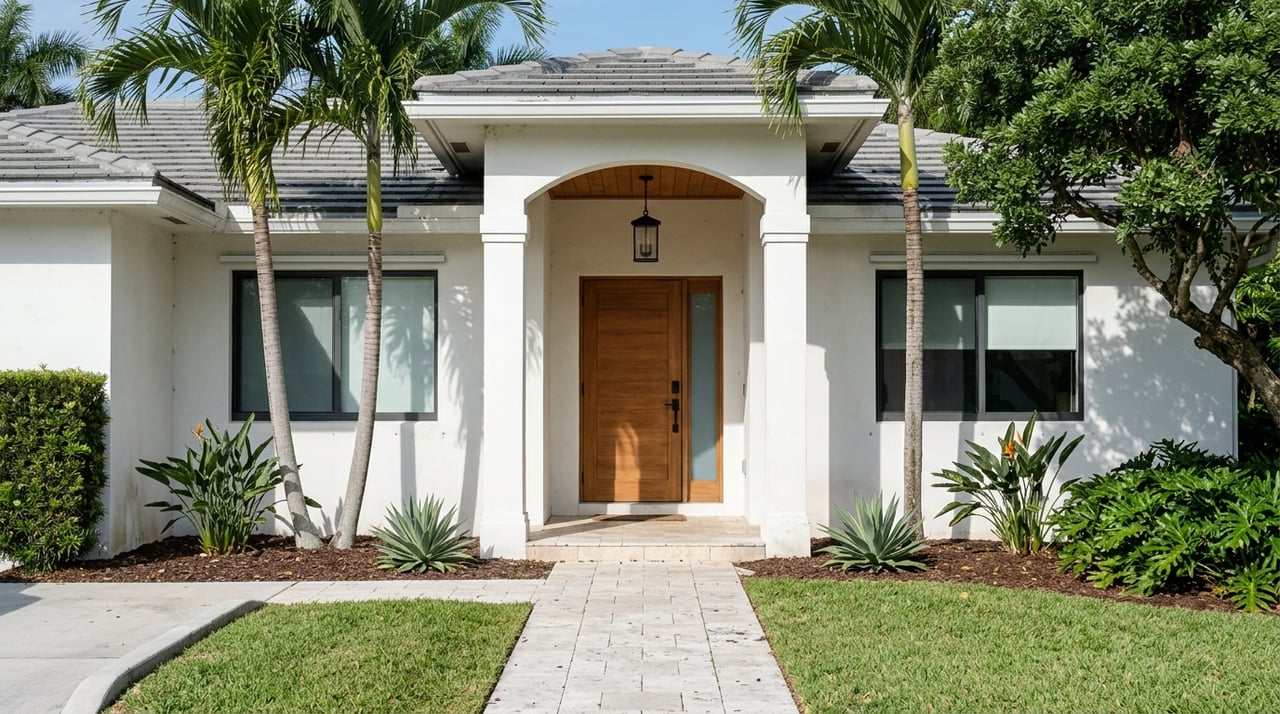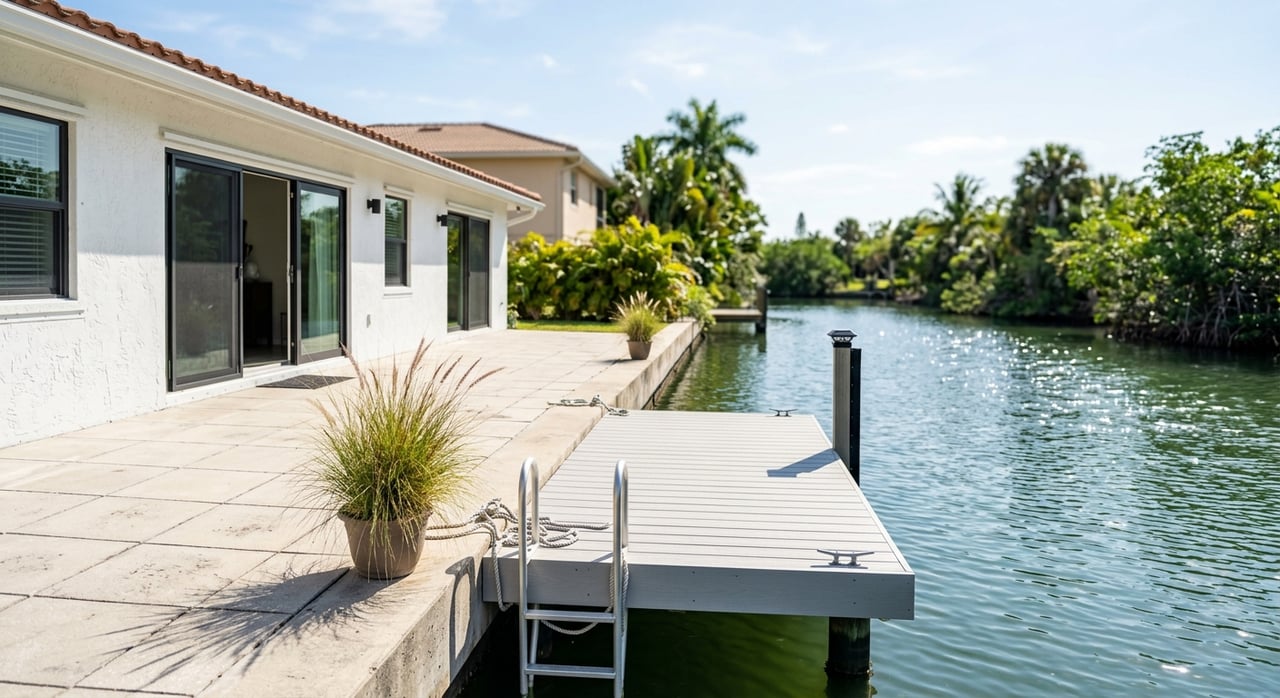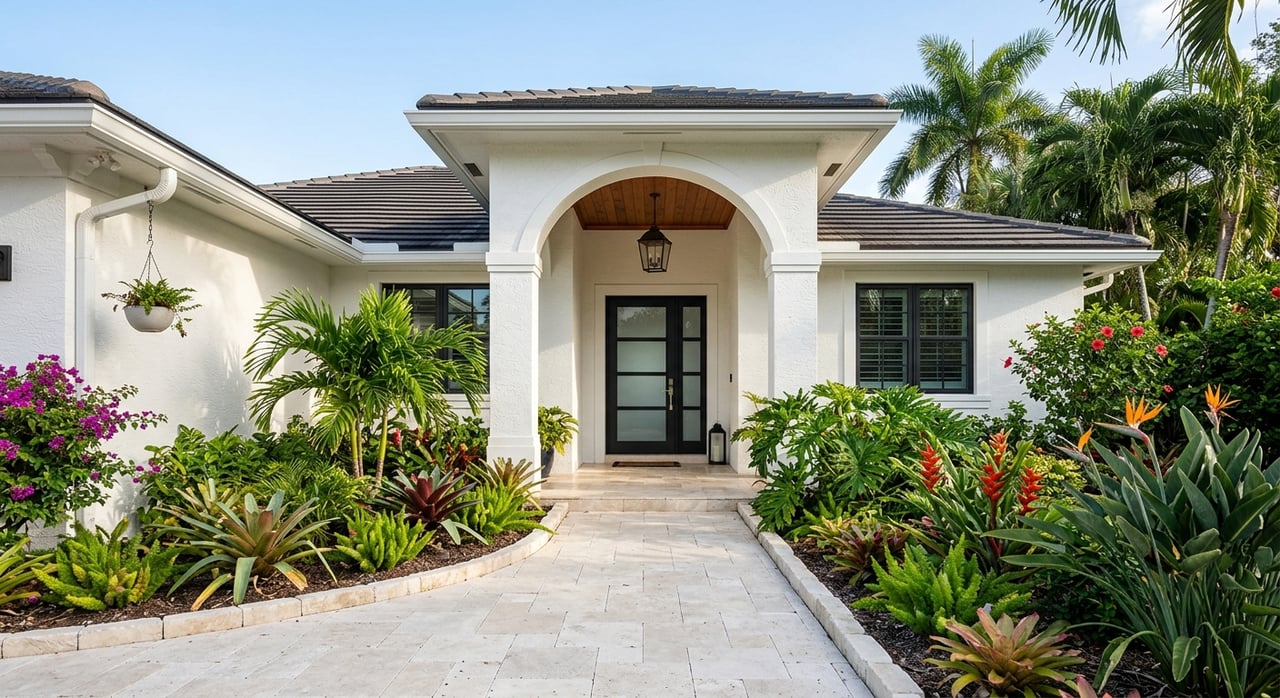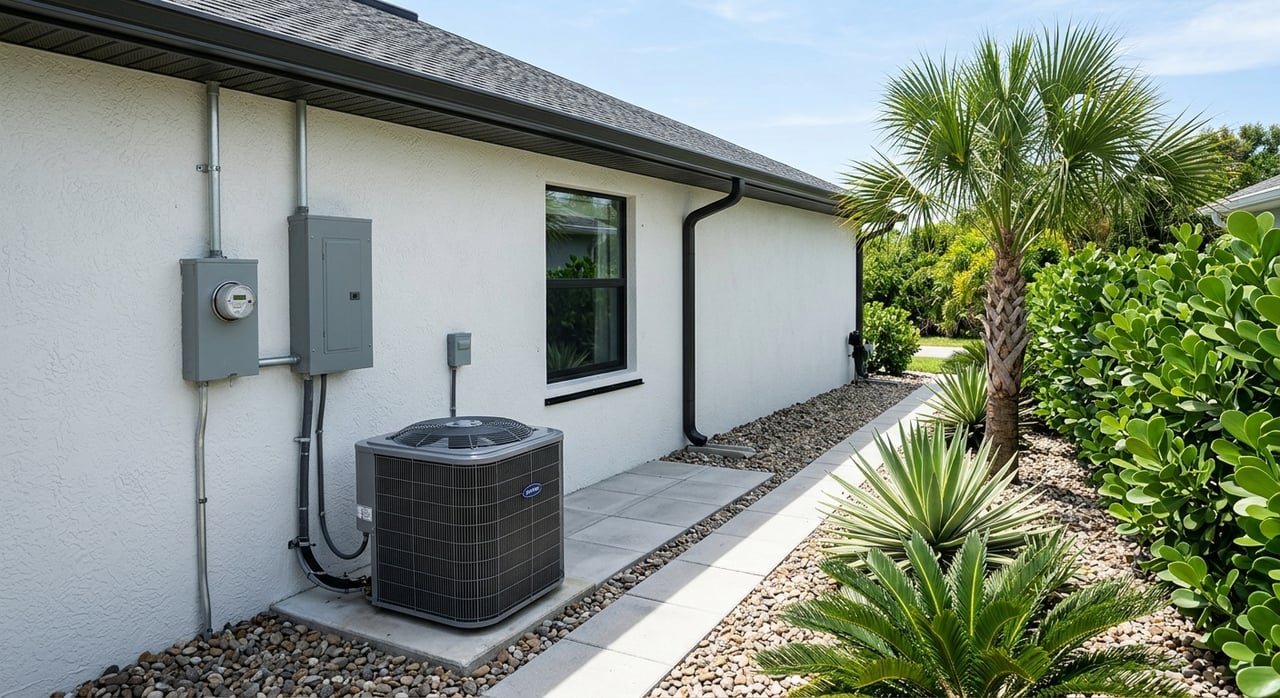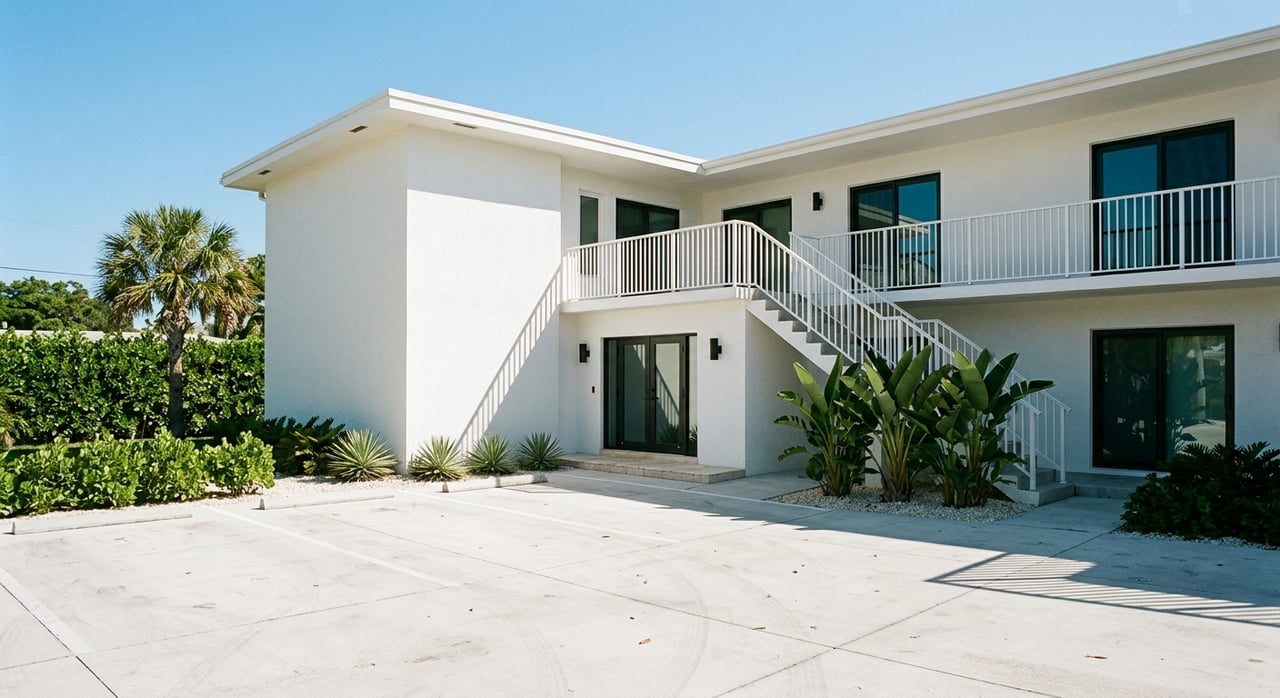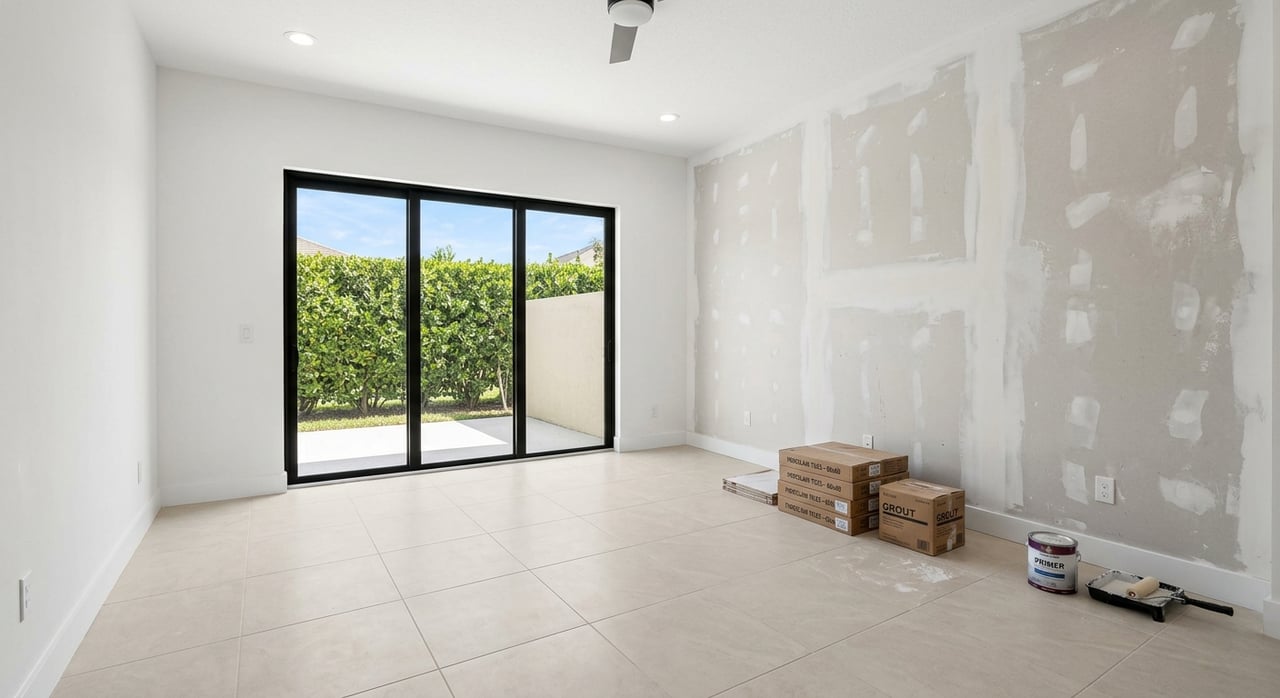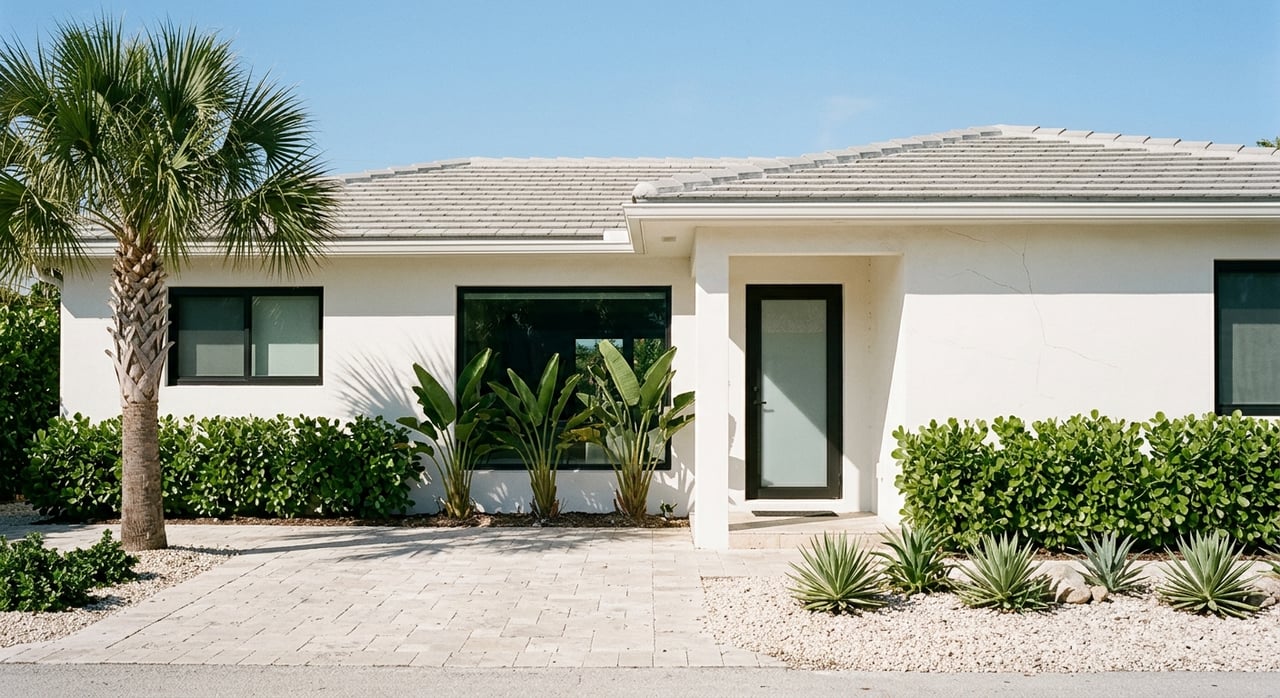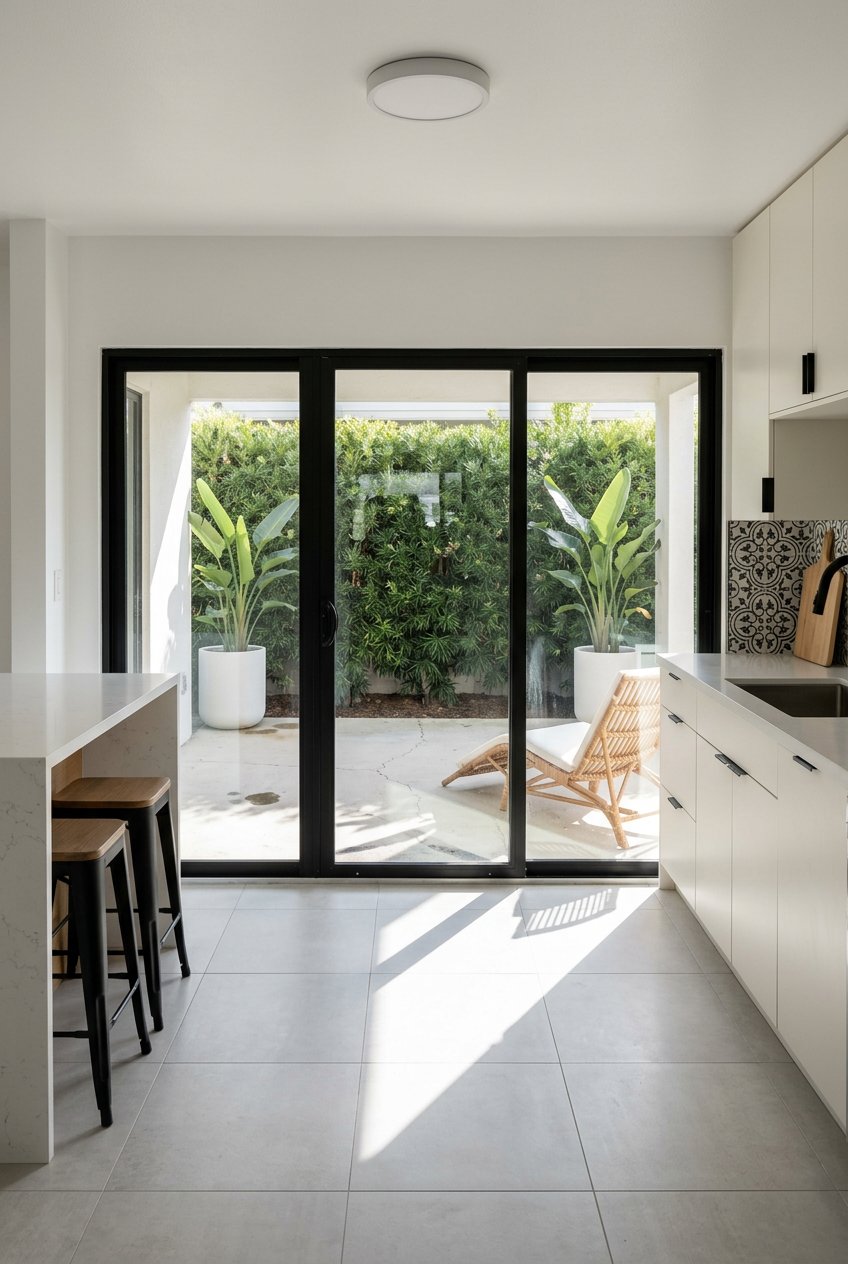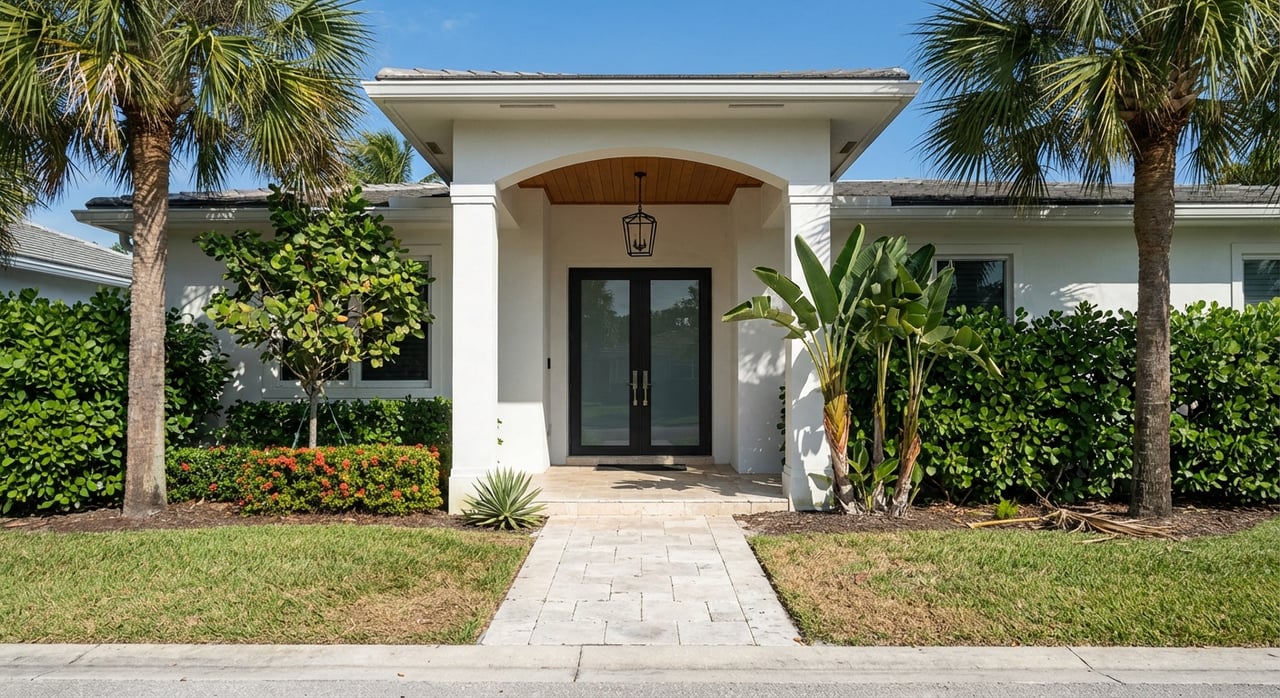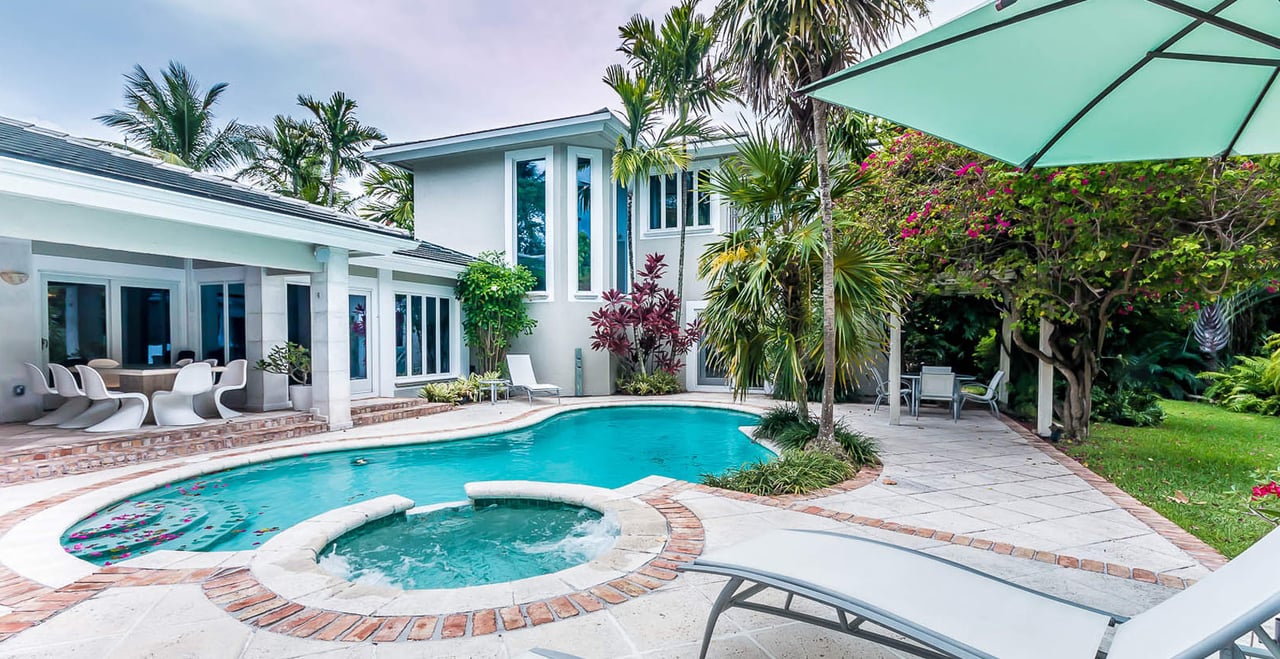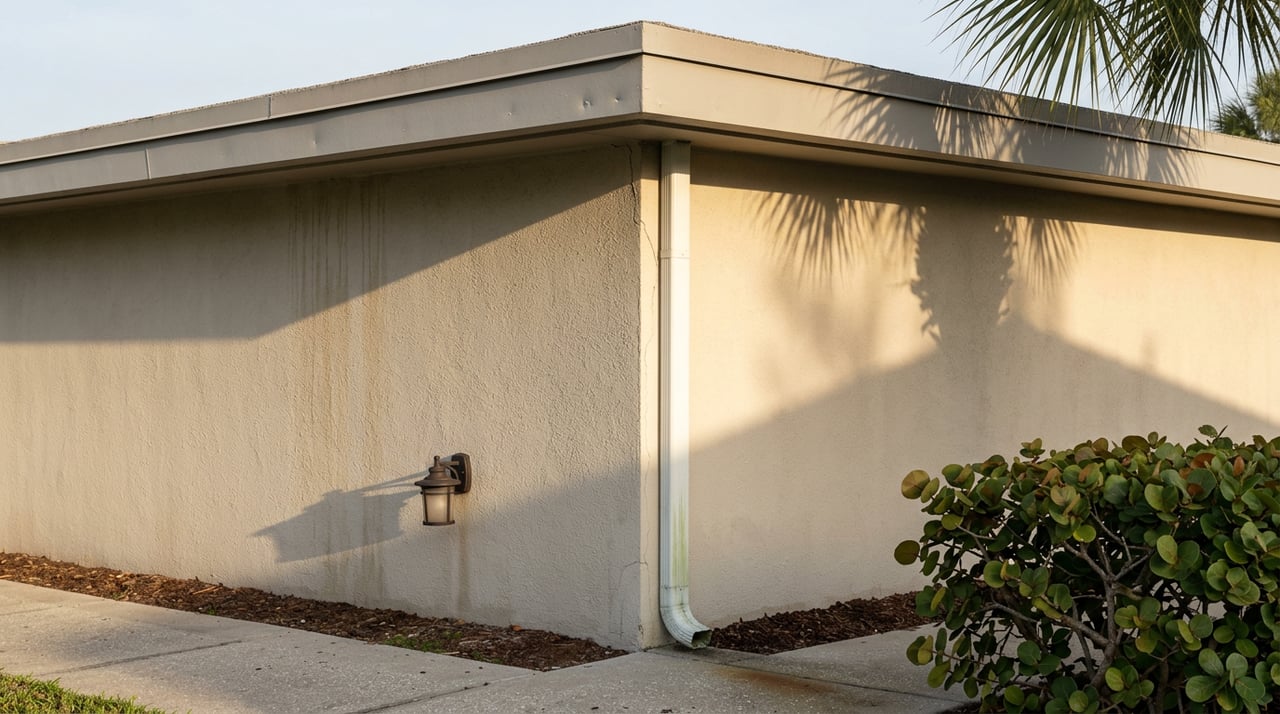
A kitchen full of new quartz and a freshly painted exterior tells a buyer almost nothing about whether an insurer will write a policy on the house. That decision comes down to four systems most buyers never see and most sellers haven't thought about since the last time something broke: the roof, the electrical panel, the plumbing, and the HVAC unit. In a neighborhood built in the years right after World War II, that gap between how a house looks and what it can pass is not a hypothetical. It is one of the most common surprises in a Poinsettia Heights transaction right now.
The inspection that catches this is called a 4-point inspection, and it has nothing to do with cosmetics.
The Inspection That Isn't About the House You See
A 4-point inspection is a short, focused review of four systems: roof, electrical, plumbing, and HVAC. It is not a general home inspection, and it is not designed to tell a buyer whether the house is a good deal. It exists so an insurance company can decide whether to write a policy at all. The report usually runs $75 to $200 and takes under an hour, but what it produces is a risk snapshot the underwriter uses to say yes, say no, or say yes with conditions.
That distinction matters because a home can pass a full buyer's inspection with flying colors and still get flagged on the 4-point. A renovated bathroom, a repainted exterior, and a landscaped yard do not touch what is behind the drywall or bolted to the side of the house. The 4-point looks past all of that.
Every Home on These Streets Sits in the Same Age Band
Poinsettia Heights was originally developed as "North Ridge" by Gill Construction Company right after World War II, in the 1940s and early 1950s, with homes lining streets from 15th Avenue to 20th Avenue and Lake Melva, according to Wikipedia's neighborhood entry. Do the math against today's date and the original housing stock here is somewhere between 73 and 81 years old.
That number places nearly the entire neighborhood past even the more relaxed underwriting lines carriers are drawing in 2026. Industry reporting this year shows real movement in how insurers set 4-point thresholds: some now push the requirement out to 25 or 30 years, and a handful of carriers still hold the line closer to 20, but a home 40 years or older will almost certainly need one before any new carrier will write the policy, according to insurance broker Augustyniak Insurance Group's 2026 breakdown of the requirement. A Poinsettia Heights ranch isn't hovering near a threshold. It's sitting well past every one of them, on both sides of the loosened and tightened versions.
The Four Systems, and What's Actually Behind These Walls
The systems a 4-point inspection checks aren't abstract for a neighborhood this age. They're specific, and they show up here often enough to plan around.
- Electrical panels. Homes wired in this construction era sometimes carry panel brands like Federal Pacific or Zinsco, both of which insurers routinely flag as red flags regardless of how the rest of the house looks.
- Wiring material. Some houses from this window were wired with aluminum branch circuits rather than copper, a material carriers still treat as a liability on a 4-point report.
- Drain plumbing. Fort Lauderdale plumber Amy's Plumbing notes that homes built before the 1980s in the city often still have original cast iron drain lines that are now corroding or collapsing under the slab. A separate Fort Lauderdale-focused cost guide from Priscilla's Plumbing puts local cast iron replacement at roughly $10,000 to $25,000 depending on scope and access.
- Roofing. Older asphalt shingle and tar-and-gravel roofs, common on homes of this vintage, are exactly the roofing types a property-insurance law firm working claims in Wilton Manors, the neighboring city just across the Middle River, says adjusters frequently cite for wear-and-tear denials rather than storm damage.
None of these are visible on a walkthrough. A buyer touring a beautifully staged living room has no way of knowing what panel brand is behind the breaker box or what the drain line looks like under the kitchen slab.
"It depends on the carrier, and in 2026, there's more flexibility than there used to be."
That line comes from Augustyniak's own 2026 guide, and it's worth sitting with, because it cuts both ways. There is more flexibility this year. There is also still a real chance of a decline if a system hasn't been documented or repaired.
2026 Is Actually a Better Year to Have This Conversation
The instinct for anyone selling an older Poinsettia Heights home is to assume the insurance conversation will be a fight. That was closer to true in 2024 and 2025. Heading into 2026, several carriers have softened underwriting guidelines, with some now accepting older roofs through limited water coverage or actual cash value endorsements instead of declining coverage outright, per the same 2026 industry reporting. Homes that were effectively unplaceable with a private carrier a year or two ago may have real options now, particularly for a seller working with an agent who already knows which carriers have loosened and which haven't moved.
That shift doesn't erase the underlying mechanics. A home with a documented, maintained roof and a panel that isn't on an insurer's blacklist has a much easier path through underwriting than one where nobody has looked at these systems in a decade. The loosening market rewards preparation. It doesn't replace it.
What This Means If You're Selling, or Buying, on These Streets
The transaction-level fix here is simple and cheap relative to what it prevents.
- Order the 4-point before you list, not after an offer. A seller who already has a clean 4-point and wind mitigation report in hand removes an entire category of buyer financing risk before it ever surfaces. These two inspections are typically ordered separately at $75 to $150 each, but scheduling them together with the same inspector usually costs less than two standalone visits.
- Know your panel brand before a buyer's lender does. If the electrical panel is a Federal Pacific or Zinsco, get ahead of it. Replacement isn't free, but it's a known, budgetable cost. A declined insurance application during underwriting is not.
- If you're buying, ask for documentation on the drain lines and roof age at the same time as the seller's disclosure. A camera scope of the cast iron under the slab is inexpensive relative to a $10,000 to $25,000 surprise after closing.
- Treat the 4-point as separate from the buyer's full home inspection. One tells you whether the house is livable. The other tells you whether it's insurable. In a neighborhood this age, you need both answers before you're under contract with a financing deadline.
A Few Questions Worth Answering Directly
Does passing a 4-point inspection mean the house doesn't need other repairs? No. A 4-point is a narrow, visual review for insurance underwriting only. It says nothing about foundation condition, pest activity, or dozens of other things a full home inspection covers.
Is a 40-year-old roof automatically disqualifying in 2026? Not automatically. Some carriers are now offering actual cash value roof endorsements instead of flat declines, but the roof still has to be inspected and documented, and coverage terms will likely be more limited than on a newer roof.
Can a home with a Federal Pacific panel still get coverage? Sometimes, but expect the underwriter to require replacement or a specialized carrier. This is a conversation worth having with an insurance agent before it becomes a closing-week emergency.
A Poinsettia Heights home earns its price from the neighborhood, the lot, and the bones of a well-built mid-century ranch. What it earns from an insurer depends on four systems most people never think to check until someone else already has. If you're weighing a sale on these streets, or trying to figure out what a specific address will actually cost to insure before you write an offer, Trent Sells Fort Lauderdale can walk the property with you and flag what an underwriter is going to flag first. Schedule a free consultation and home valuation before the inspection finds it for you.