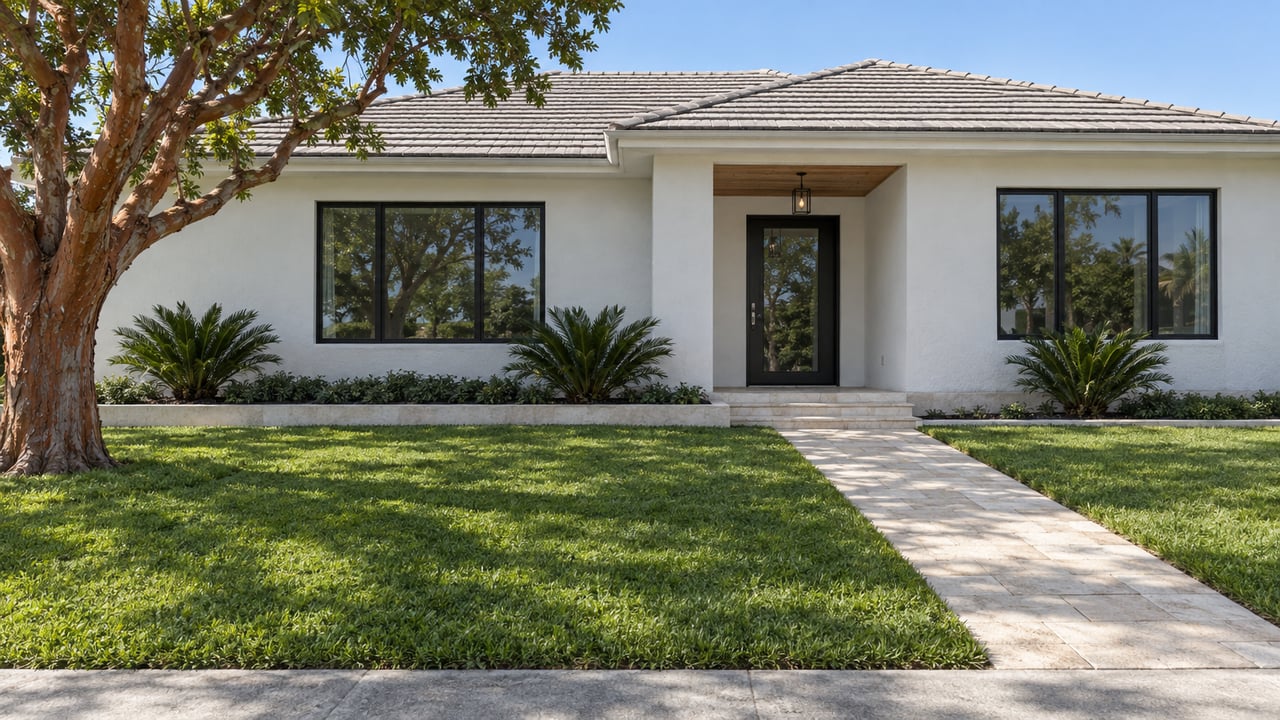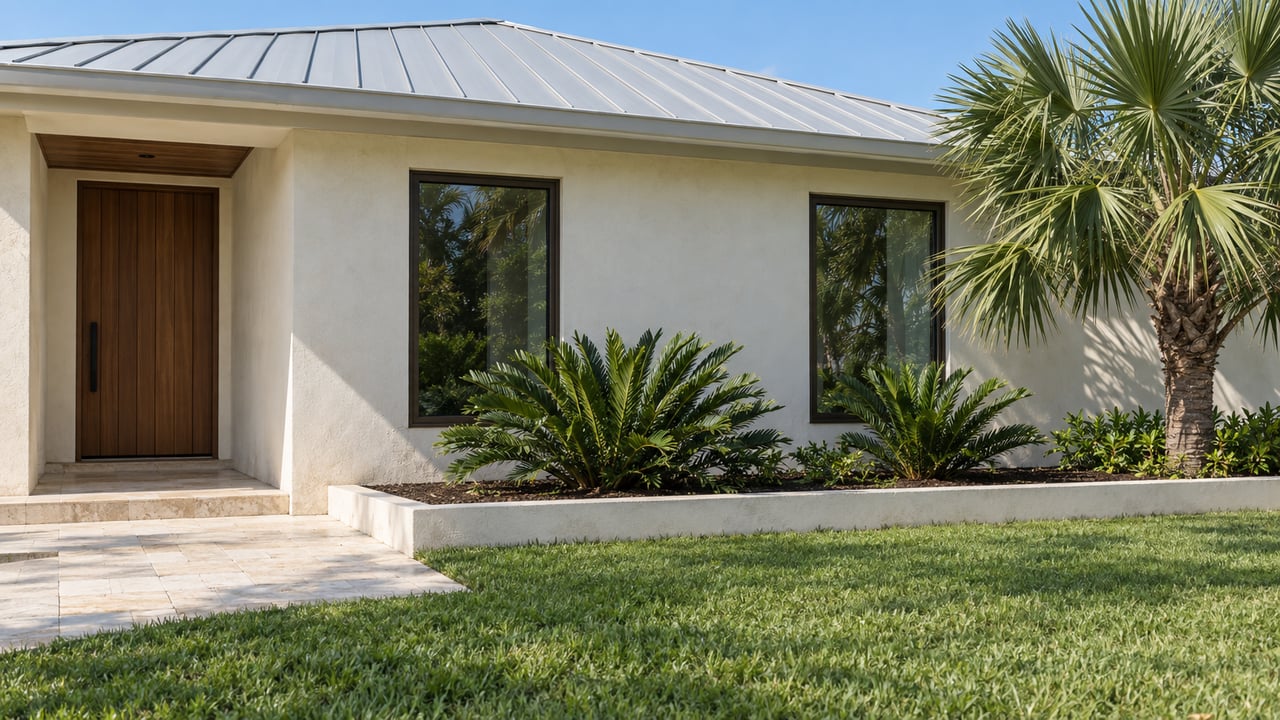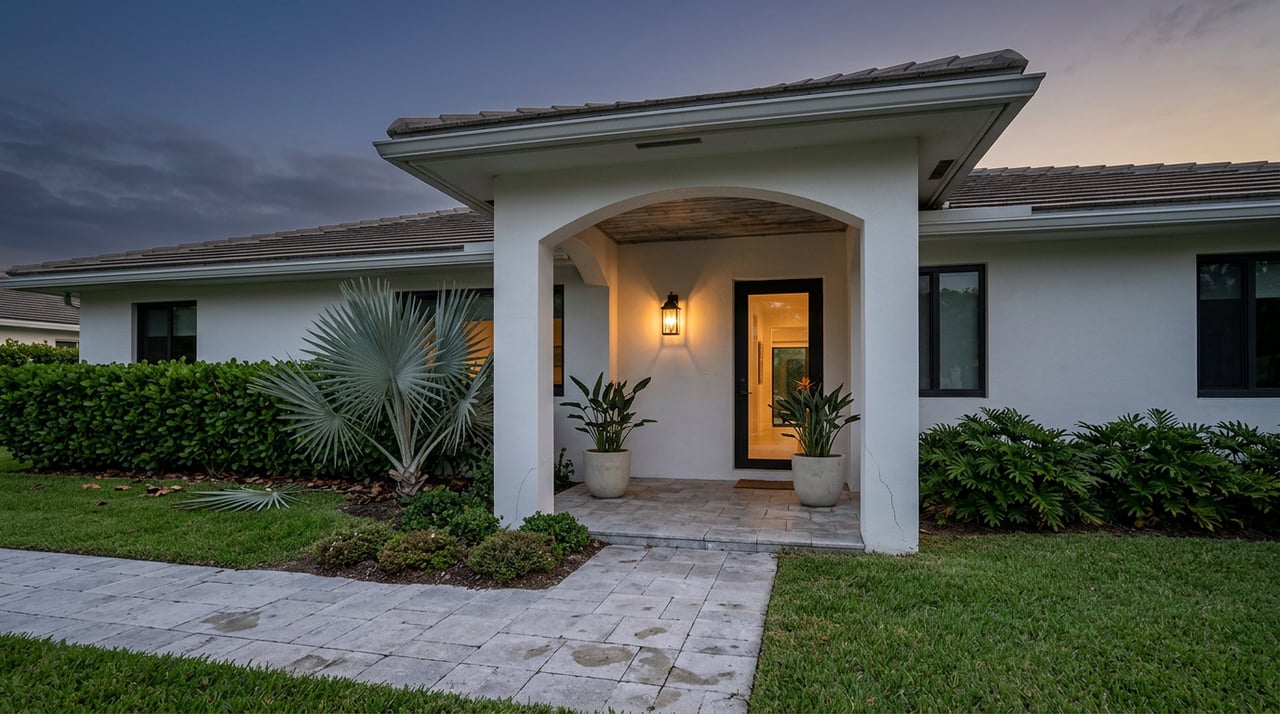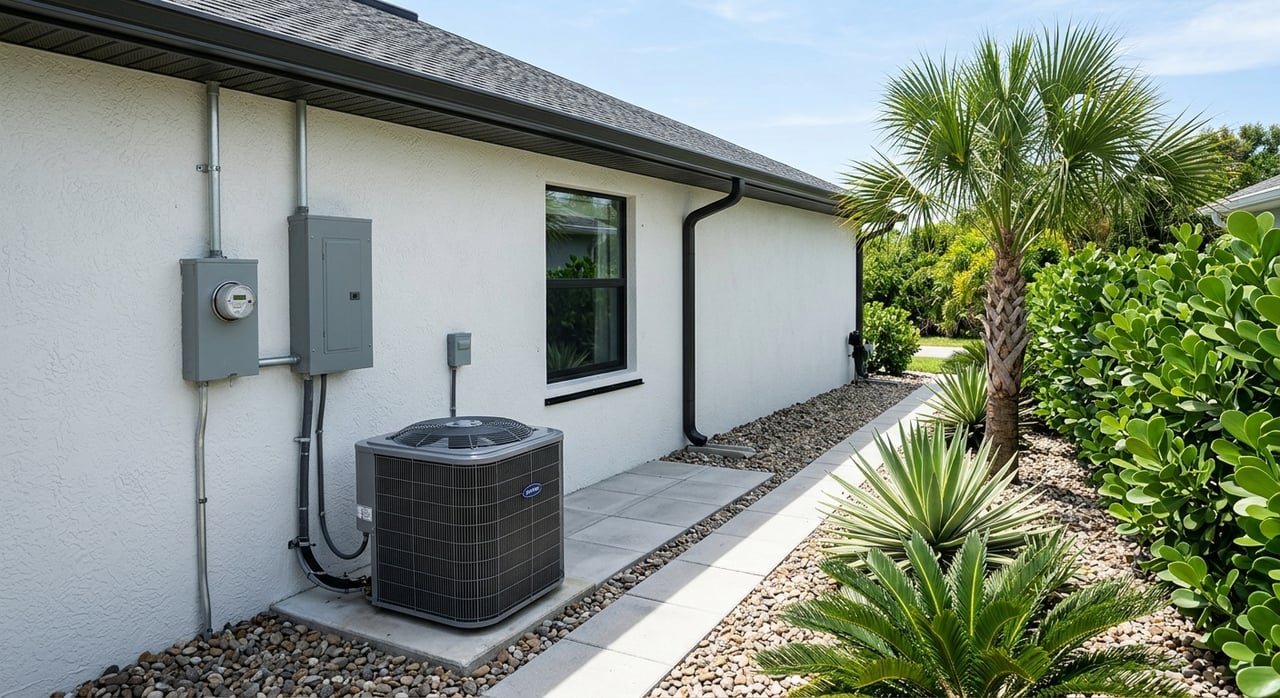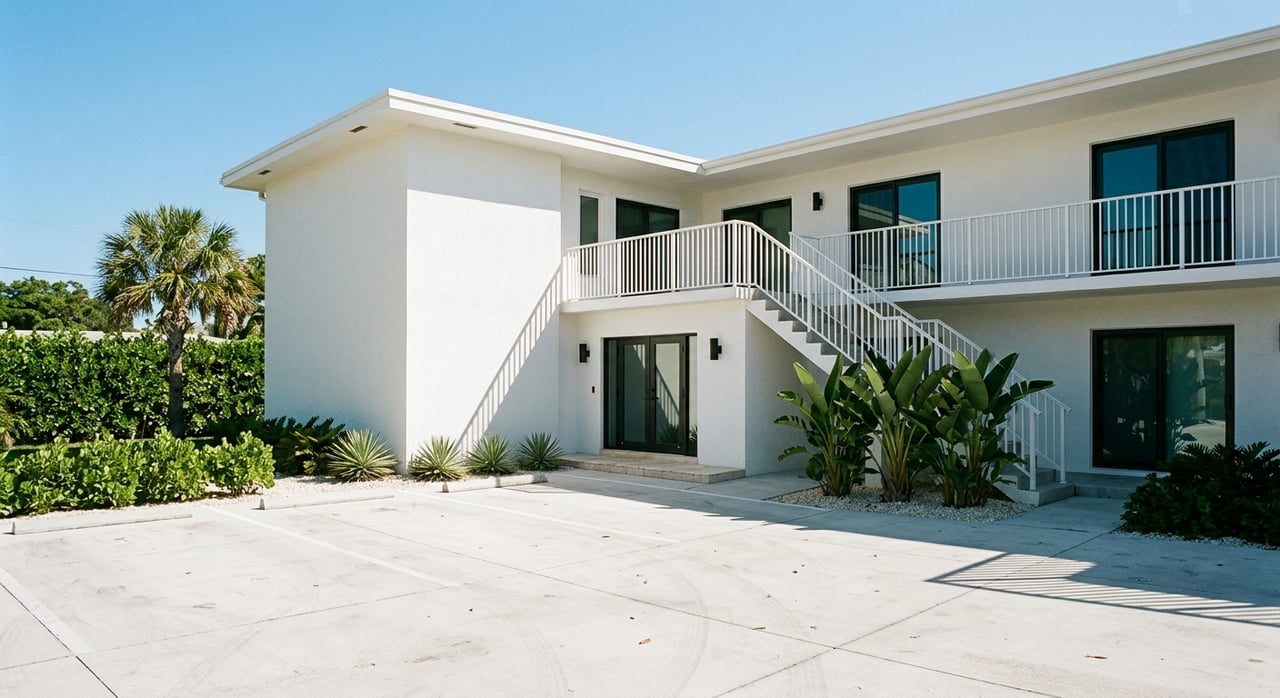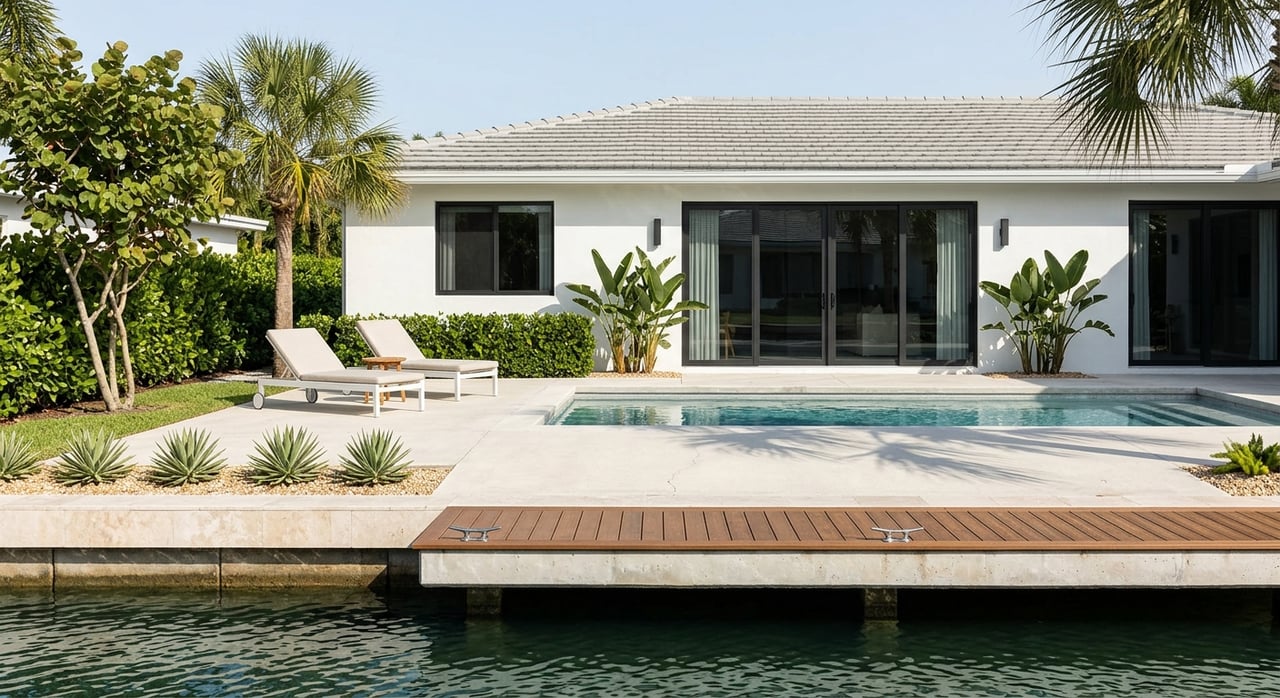
Worried about buying in Poinsettia Heights because of flood maps, insurance costs, or stories about heavy rain and king tides? You are not alone. In this part of Fort Lauderdale, flood risk is not a one-size-fits-all issue, and understanding the details can make a big difference in what you pay, how you plan, and how confident you feel before closing. Here is what to know about flood zones, insurance, and real-world risk in Poinsettia Heights so you can make a smarter move. Let’s dive in.
Why flood risk matters here
Poinsettia Heights is part of Fort Lauderdale’s Fortify Lauderdale Phase 2 neighborhood program. The city says Phase 2 was selected using a citywide flood model along with local feedback, and the city’s capital planning also includes stormwater improvements for Poinsettia Heights.
That does not mean every property has the same exposure. It does mean drainage and localized flood resilience are active issues in the neighborhood, which is important to keep in mind whether you are buying, selling, or evaluating long-term ownership costs.
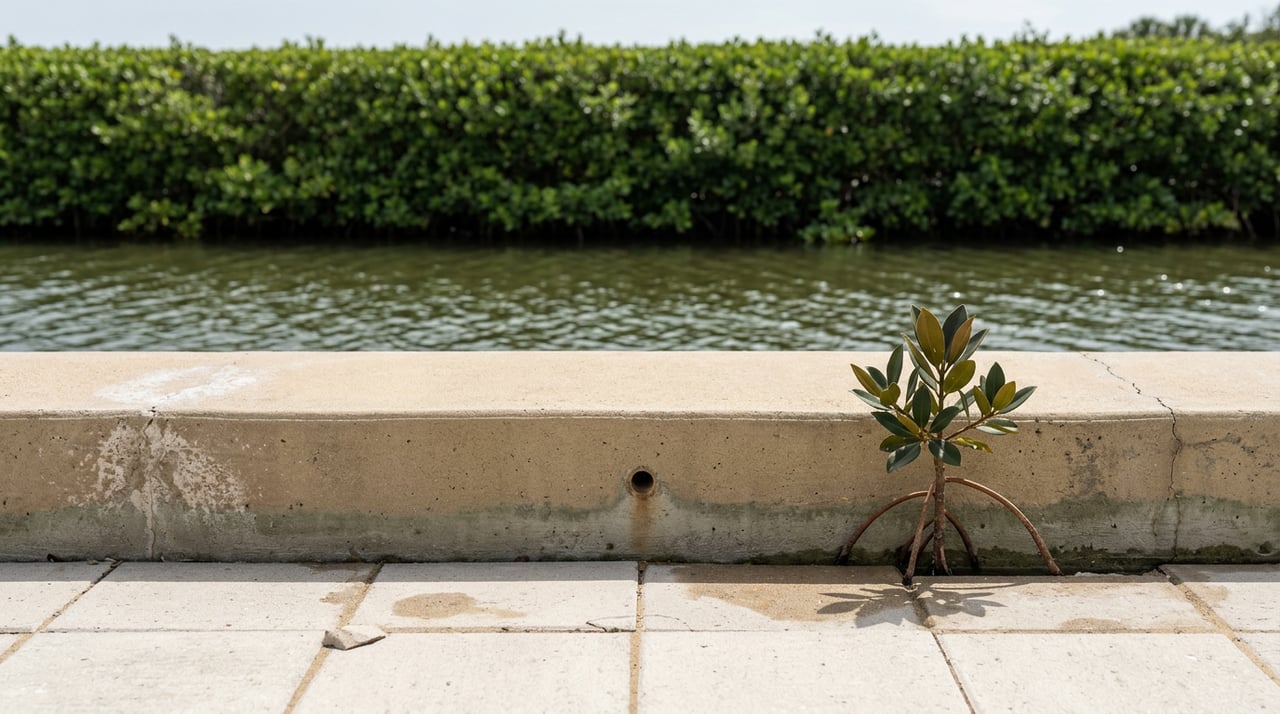
Broward County also notes that local flooding can come from more than one source. In Fort Lauderdale, that can include heavy rainfall, high tides, and king-tide conditions that may push water back through drainage pipes or even up through the ground.
Poinsettia Heights is not one flood zone
One of the biggest mistakes buyers make is assuming an entire neighborhood shares the same flood designation. In Poinsettia Heights, that is not the case.
Broward County’s flood map tools and the City of Fort Lauderdale’s GIS flood-zone tool are designed to be used at the property level. That means you should check the exact address, not just the neighborhood name, because one parcel may differ from another nearby.
The county says its current flood zone maps became effective July 31, 2024. Broward identifies Zone AE, AO, AH, and VE as mandatory-purchase zones, while Zone X is outside the floodplain or has less than 1 foot average depth.
Fort Lauderdale similarly identifies AE, AO, and AH as inland high-risk zones, while VE is considered a coastal high-hazard area. If you are comparing two homes in Poinsettia Heights, this distinction can affect financing, insurance requirements, and your monthly carrying costs.
How to read flood maps the right way
A flood map is a starting point, not the whole story. Broward’s parcel viewer can show the current and superseded flood-zone designations, along with the parcel’s base flood elevation, also called BFE.
That matters because two homes that look similar from the street can have different long-term exposure. Broward notes that base flood elevations must be used for new construction and substantial improvements, so finished-floor height and site elevation can change the risk picture.
If multiple BFEs apply to a parcel, Broward says the highest one appears in the viewer. For buyers, that means it is worth reviewing the address carefully and asking follow-up questions when the map data seems unclear.
Why elevation certificates matter
In Fort Lauderdale, elevation certificates are part of the permitting process for new construction, substantial improvements, and additions. The city says the certificate is prepared by a licensed surveyor, architect, or engineer and then filed with the Floodplain Manager.
If a seller already has an elevation certificate, it can be one of the most useful documents you review during due diligence. It may help you better understand the relationship between the structure and the mapped flood elevation before your inspection period ends.
This is especially important in a neighborhood like Poinsettia Heights, where parcel-specific differences can matter. A home with a more favorable elevation profile may carry a different risk and insurance outlook than a nearby comparable property.
When flood insurance is required
Flood insurance is often tied to both the flood zone and the type of financing. Fort Lauderdale says flood insurance is required for buildings in mapped Special Flood Hazard Areas when the mortgage comes from a government-backed lender.
Those Special Flood Hazard Areas generally include Zone A, AO, AE, AH, VE, and related zones. Even outside the SFHA, a lender can still require flood insurance, so buyers should not assume that being outside a mandatory-purchase zone automatically means no coverage will be needed.
Broward also advises owners and renters to consider flood insurance even when it is not mandatory. That guidance is especially relevant in Fort Lauderdale, where flooding can result from rainfall, drainage issues, groundwater, and tides, not just a major storm event.
What flood insurance does and does not cover
Flood insurance is separate from homeowners insurance. FEMA says most homeowners policies do not cover flood damage, so buyers should treat flood coverage as its own line item when budgeting.
NFIP coverage can insure the building, the contents, or both. If you are buying in Poinsettia Heights, ask early what coverage is in place now, whether the seller has a current policy, and how your lender and insurance provider expect coverage to be structured after closing.
Timing matters too. FEMA says there is typically a 30-day waiting period before an NFIP policy takes effect unless coverage is required by a government-backed loan or tied to certain map-change situations.
Why premiums can vary from house to house
A flood zone label is important, but it is not the only factor affecting premium cost. Under FEMA’s Risk Rating 2.0, premiums are based on property-specific risk variables rather than only on the zone.
FEMA says pricing can consider the type of flood peril, building characteristics, elevation, distance from water, replacement cost, flood vents, and levee performance. Fort Lauderdale also notes that the newer methodology uses elevation relative to the flooding source, local relative elevation, and first-floor height.
In practical terms, that means two homes in Poinsettia Heights can carry meaningfully different premiums even if they are close to each other. That is why buyers should ask for insurance quotes tied to the exact property they want, rather than relying on neighborhood averages.
Wind insurance is part of the picture too
When you think about total risk in South Florida, flood insurance is only one piece of the ownership equation. The wind portion of your insurance bill can also vary based on the home’s construction features.
Florida law requires insurers to disclose hurricane-loss mitigation discounts and use a uniform mitigation verification form. That form is used by insurers for wind-insurance discounts and is valid for up to five years if the structure has not materially changed.
The form focuses on features such as roof covering documentation, roof-deck attachment, roof geometry, secondary water resistance, and opening protection. In plain English, items like impact-rated windows or shutters, stronger roof assemblies, and certain roof shapes can affect the wind-insurance cost, even though they do not reduce flood risk.
Focus on total monthly cost
For many buyers, the smartest question is not just, "What is the list price?" It is, "What will this home really cost me each month after insurance and any needed upgrades?"
That is where Poinsettia Heights buyers can benefit from a more detailed review. A home with a better finished-floor elevation, an existing elevation certificate, and a current wind-mitigation report may look more attractive from a long-term ownership standpoint than a similar home without that documentation.
If you are comparing options, try to evaluate:
- The current flood zone for the exact parcel
- Any listed base flood elevation information
- Whether an elevation certificate is available
- Whether flood insurance will be required by your lender
- Whether the seller has a wind-mitigation report
- Roof permit, roof age, or roof invoice documentation
- Opening protection such as impact glass or shutters
- The likely monthly insurance cost, not just the annual premium alone
Smart due diligence for buyers
If you are under contract in Poinsettia Heights, a few steps can help you avoid surprises.
Start with the address-level Broward or city flood tools. Then ask the seller for any elevation certificate, wind-mitigation inspection, and roof documentation that may affect underwriting or pricing.
If the map raises questions, Fort Lauderdale’s Floodplain Group can provide a Flood Risk Information Letter. The city says that letter can address flood depths at the property, coastal high-hazard areas, wetlands, flood insurance, floodplain-management regulations, and mitigation ideas.
That can be a useful final check when the basic map data does not tell the full story. It gives you a more property-specific way to understand risk before you move forward.
What this means for sellers
If you are selling a home in Poinsettia Heights, buyers are likely to ask about flood and insurance costs early in the process. Being prepared can help your home feel more transparent and easier to evaluate.
If you have an elevation certificate, wind-mitigation report, roof records, or documentation for impact windows or shutters, organize those materials before listing. Clear records can help buyers and their insurance contacts evaluate the property faster and with fewer assumptions.
That does not remove the need for a buyer to do their own review. But it can reduce uncertainty, which is often one of the biggest obstacles in neighborhoods where flood risk is a real part of the conversation.
If you want help evaluating a home in Poinsettia Heights or preparing your property for sale with clearer insurance and flood-risk positioning, Trent Head can guide you through the details with a local, practical approach.
FAQs
Is all of Poinsettia Heights in the same flood zone?
- No. Broward and Fort Lauderdale both provide address-level tools, and flood-zone designations can vary by parcel.
What flood zones in Fort Lauderdale usually trigger mandatory flood insurance?
- Broward says Zone AE, AO, AH, and VE are mandatory-purchase zones, and Fort Lauderdale identifies AE, AO, AH, and VE as high-risk categories.
Can a lender require flood insurance outside a Special Flood Hazard Area?
- Yes. A lender can still require flood insurance even if the property is outside the SFHA.
What documents should a Poinsettia Heights buyer request during due diligence?
- Ask for the seller’s elevation certificate, any wind-mitigation inspection, and roof permit or invoice documentation.
How long does flood insurance usually take to start?
- FEMA says there is typically a 30-day waiting period unless the policy is required by a government-backed loan or tied to certain map-change situations.
What can lower the wind-insurance portion of a Florida home’s premium?
- Verified mitigation features on Florida’s uniform form, such as roof-related features and opening protection, can support discounts.