Choosing between a waterfront home and an interior-lot home in Coral Heights is not just about the view. It is about how you want to live, what you want to maintain, and how comfortable you are with the tradeoffs that come with water access in South Florida. If you are weighing both options, this guide will help you compare pricing, insurance, boating realities, privacy, and resale so you can make a smarter move in Coral Heights. Let’s dive in.
Coral Heights market snapshot
Coral Heights currently shows two overlapping housing lanes: interior homes and waterfront or canal-front properties. According to Redfin’s Coral Heights neighborhood data, there are 21 homes for sale in the neighborhood, including 6 waterfront homes.
That split matters because the pricing and buyer expectations can look very different depending on lot type. Redfin reports an overall Coral Heights sale-price trend of $675,000, about $363 per square foot, and roughly 58 days on market. On the waterfront side, Redfin’s waterfront view for Coral Heights shows a median list price of $835,000 and about 79 days on market.
That suggests a directional premium for waterfront homes, but it is not a perfect apples-to-apples comparison because it uses list-price and sale-price figures. It also does not mean every interior home is cheaper or every waterfront home is priced at the top of the market.
Price differences are not always simple
In Coral Heights, condition can matter almost as much as water frontage. Current public listings show that some interior homes are already priced near waterfront properties, especially when they offer updated finishes, larger layouts, or strong outdoor living space.
For example, one active interior-lot listing at 4421 NE 16th Terrace is listed at $779,000 with 3 bedrooms, 2 bathrooms, and 1,889 square feet. Another non-waterfront listing at 4410 NE 15th Terrace is listed at $864,000. On the waterfront side, available examples range from a $529,000 lakefront townhome to an $844,000 canal-front house to a $1.849 million canal-front property.
The takeaway is simple: in Coral Heights, you should not assume “waterfront” automatically means better value or dramatically higher pricing. Instead, compare each home based on:
- Lot type and water access
- Condition and renovation quality
- Layout and square footage
- Outdoor features
- Insurance exposure
- Long-term maintenance needs
Waterfront living in Coral Heights
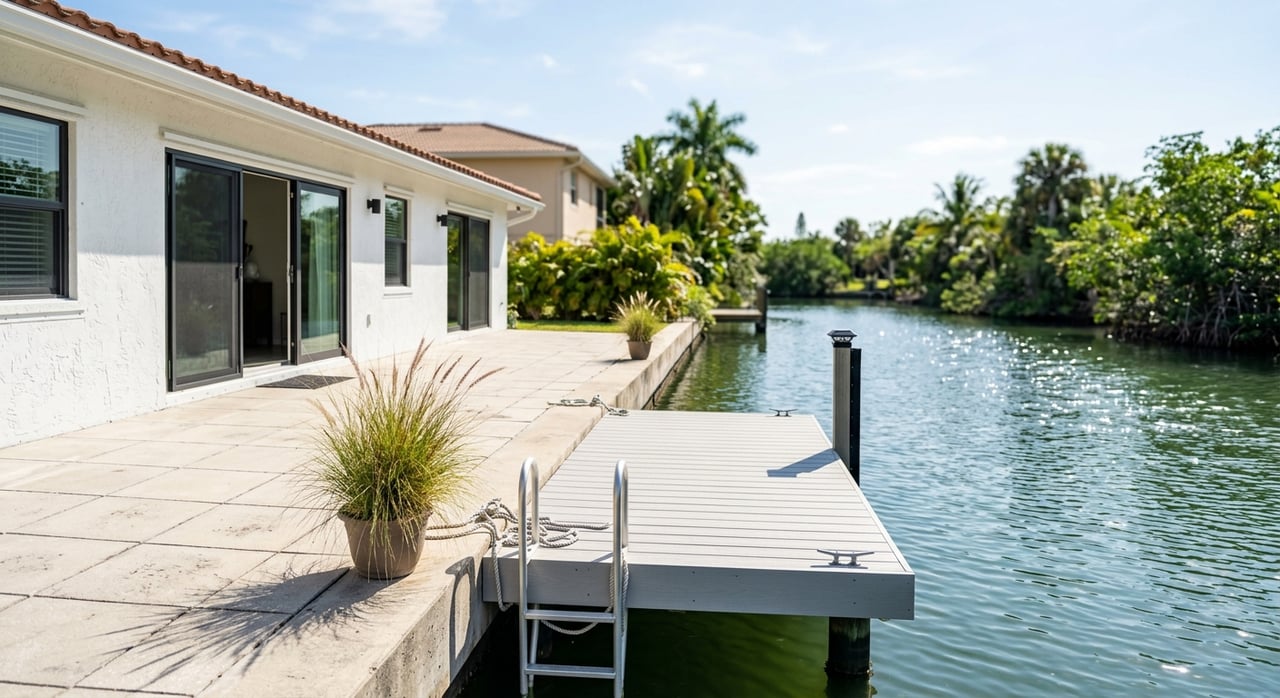
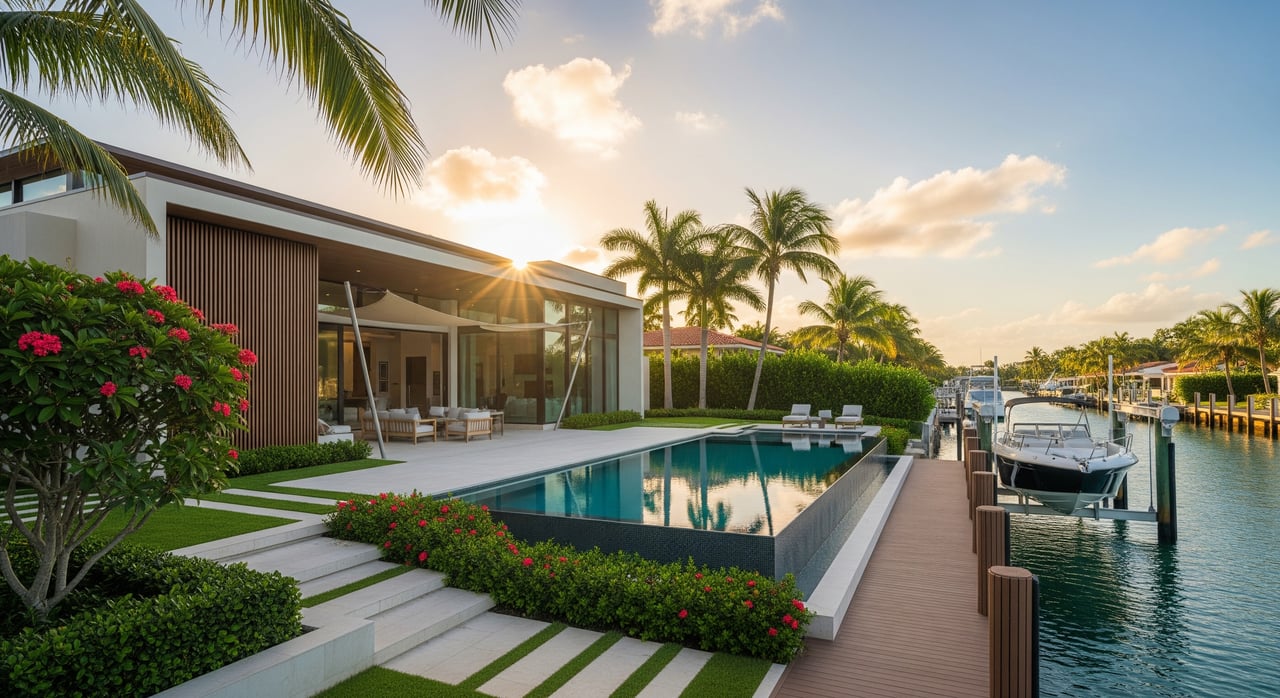
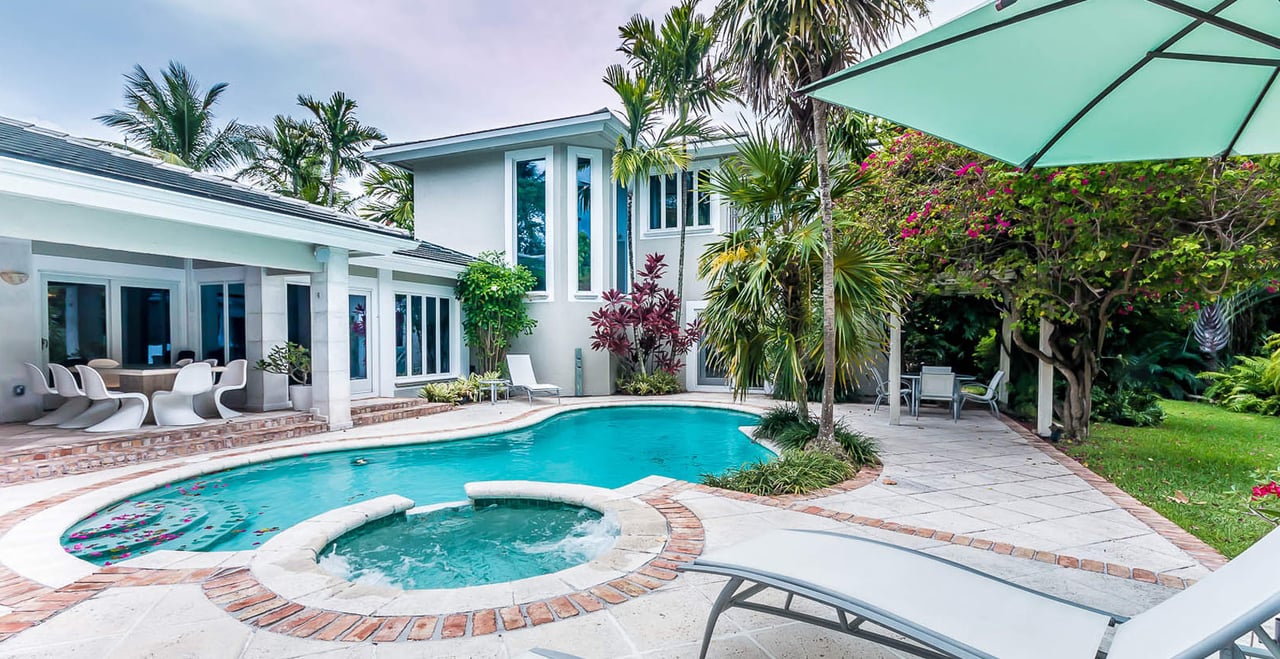
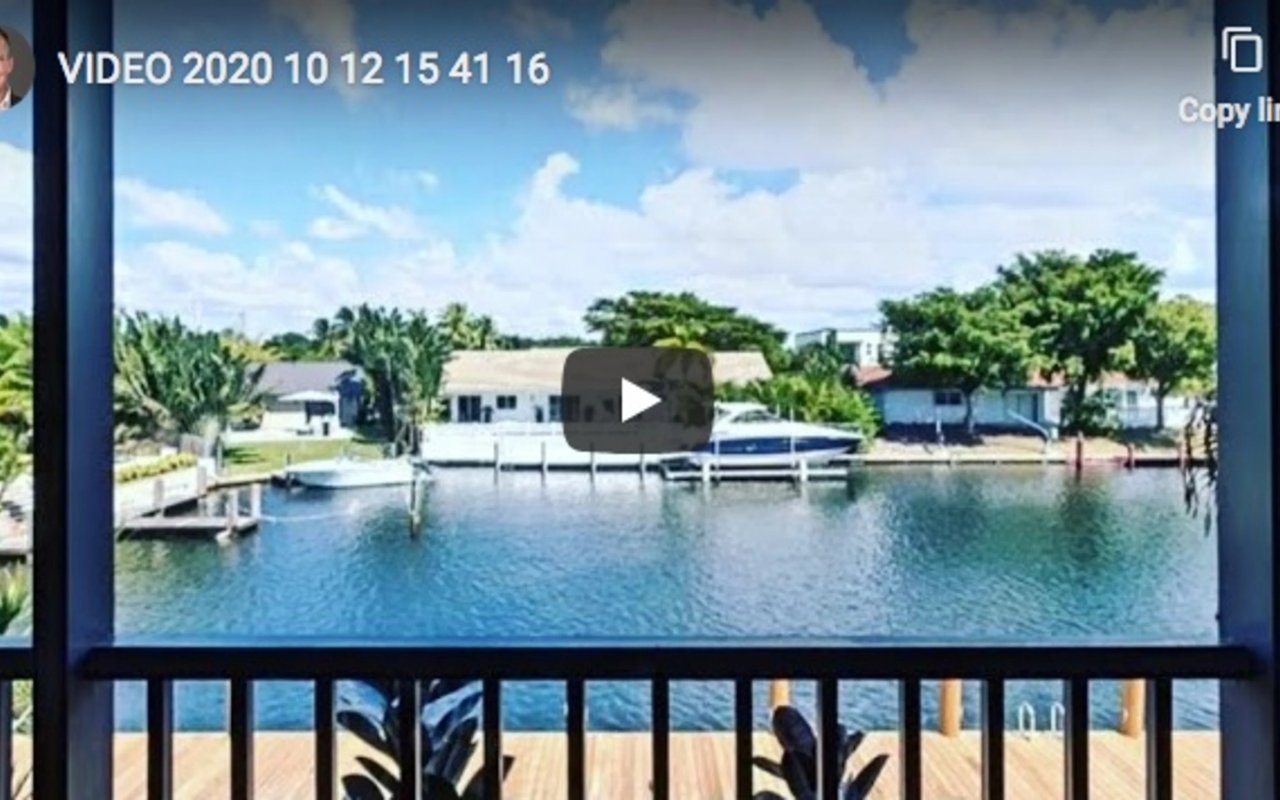
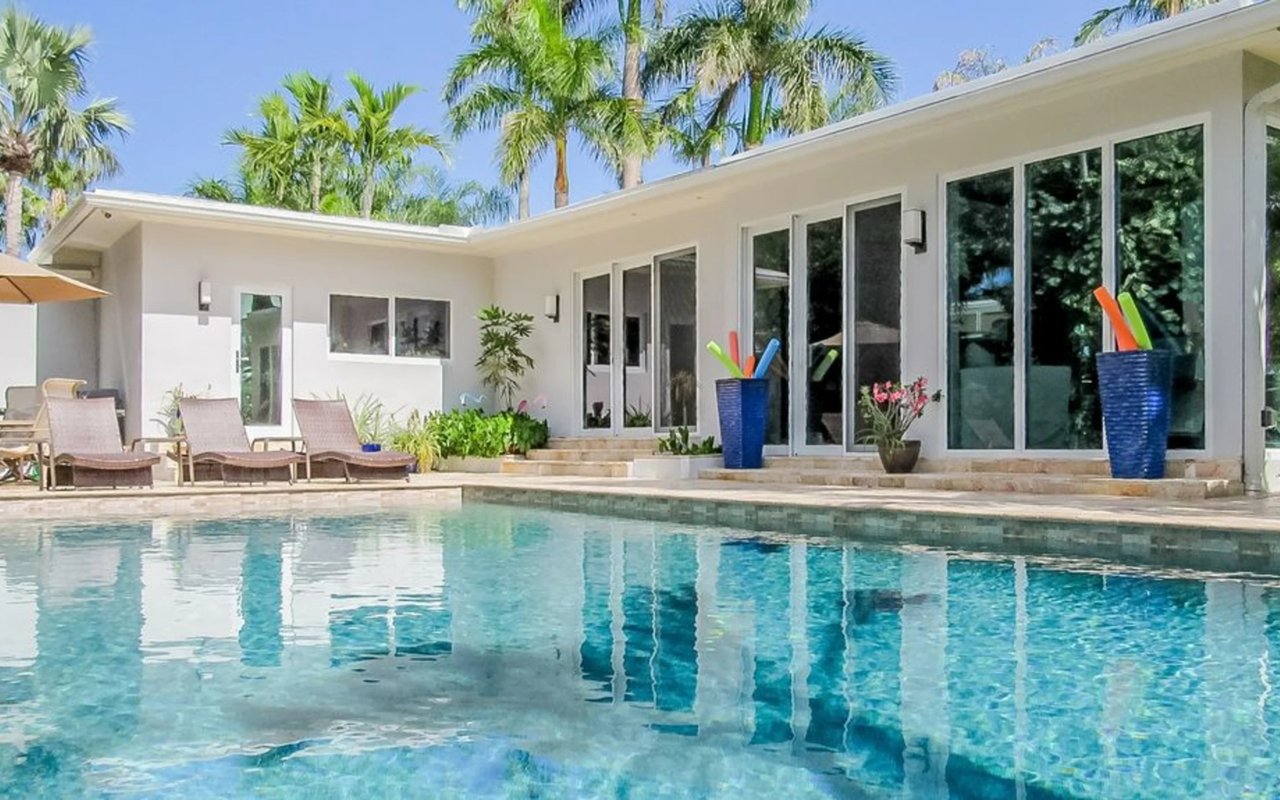
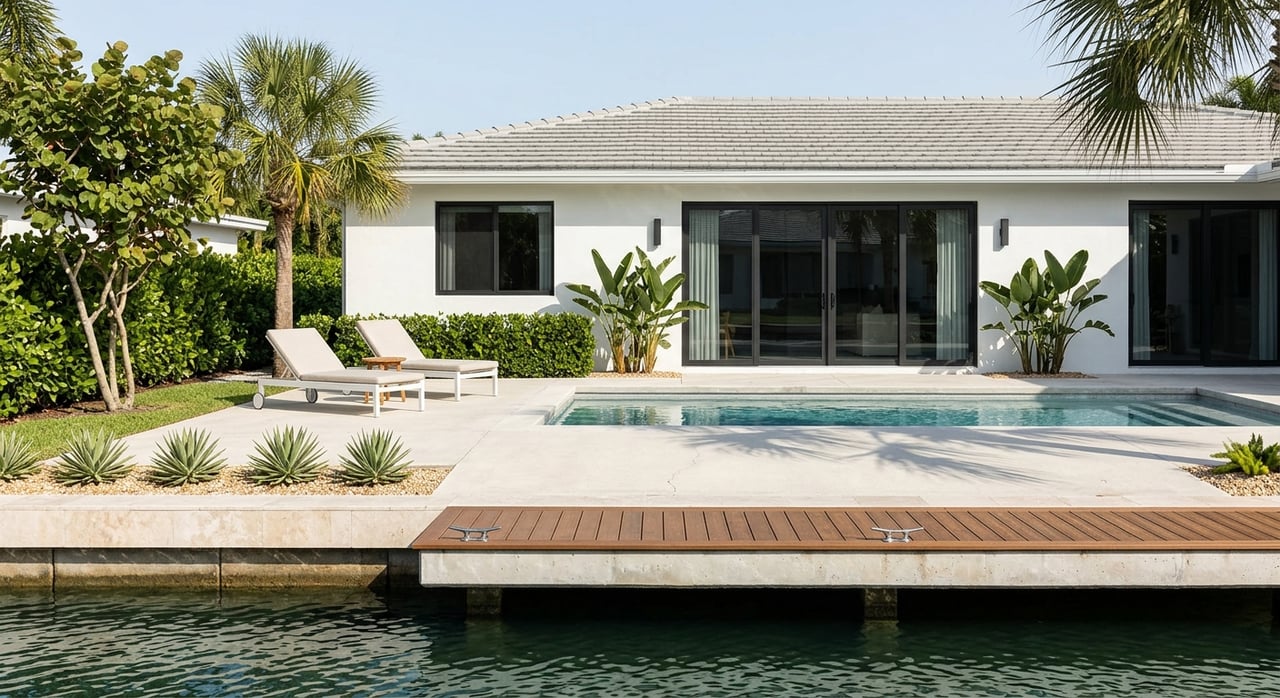
For many buyers, waterfront living is about lifestyle first. You may love the idea of canal views, a private dock, room for paddleboards, or a backyard that feels more open and scenic than an interior lot.
Still, waterfront in Coral Heights is highly property-specific. It does not always mean deep-water access or open-ocean convenience. That is one of the biggest points buyers need to understand before falling in love with a listing photo.
Boating access varies by property
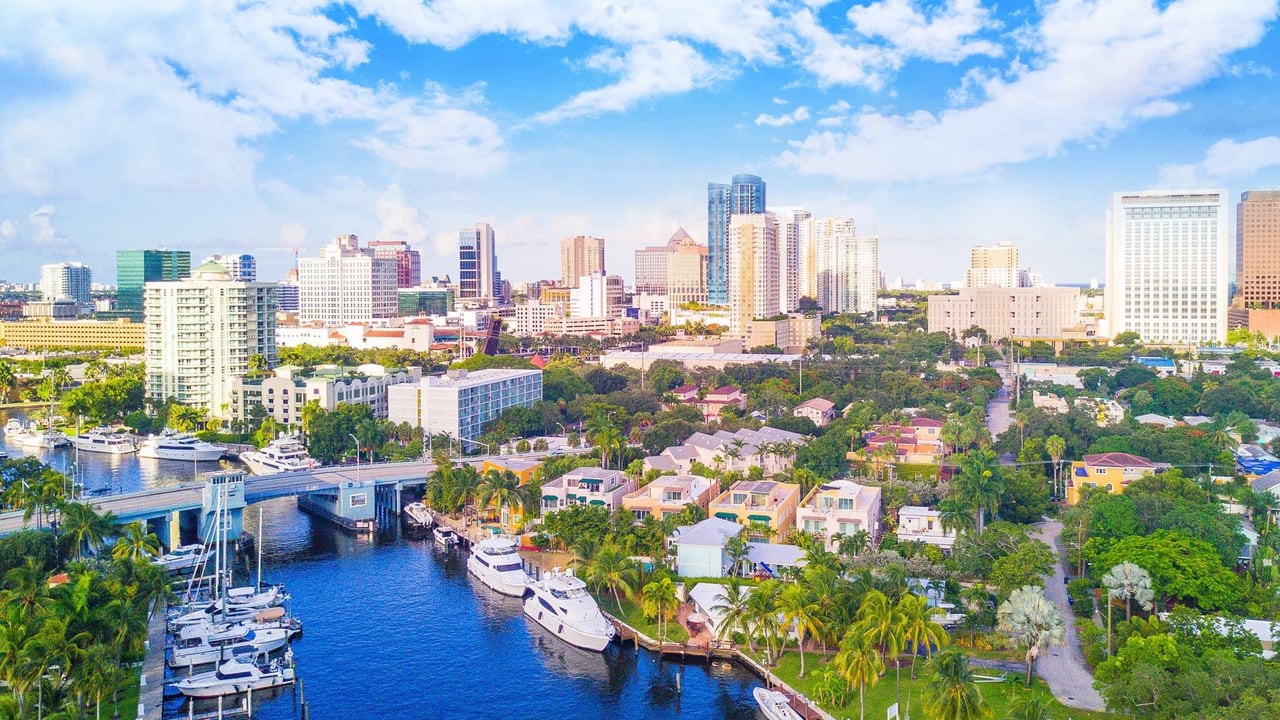
Some waterfront listings in Coral Heights advertise canal-front access, but the details can differ quite a bit. A Compass listing at 4131 NE 16th Avenue describes a canal-front home with a private dock and a fixed bridge, but notes no ocean access.
Other listings mention canal-front water access or access to East Coral Lake for kayaking or paddleboarding. That means you should verify the specifics of any waterfront home, including:
- Dock depth
- Bridge clearance
- Canal width
- Actual navigability for your vessel
- Whether access works better for boating, paddle sports, or just the view
If boating is a major part of your decision, those details are just as important as the home itself.
Waterfront ownership often means more upkeep
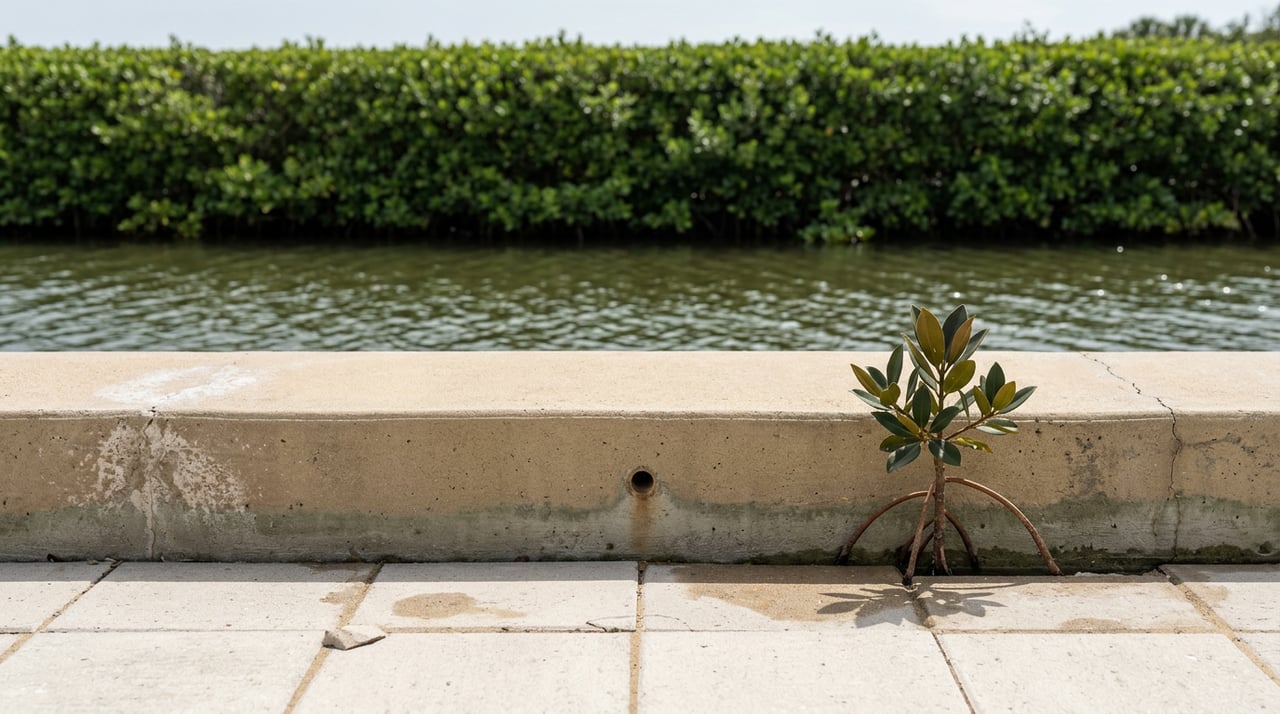
A waterfront lot can come with extra responsibilities that interior-lot owners may avoid. Broward County notes that dock and seawall repair, maintenance, and some canal dredging work may fall under environmental licensing rules, while larger projects can require a regular license.
That does not mean every waterfront owner will face a major permitting project. It does mean you should look closely at the condition of marine improvements and understand what may be involved if updates are needed later.
Flood and insurance questions matter more
Flood risk is a serious part of the conversation in this area. The City of Oakland Park’s flood protection information states that about 40% of the city is located in AH or AE Special Flood Hazard Areas. The city also notes that buildings in those areas have a 26% chance of flooding during a 30-year mortgage and that standard homeowners insurance does not cover flood damage.
Oakland Park participates in the National Flood Insurance Program’s Community Rating System and reports a 20% discount for property owners in the city. Even so, flood coverage is a separate issue buyers should review early.
According to the Florida Chief Financial Officer’s flood insurance FAQs, flood insurance generally has a 30-day waiting period, with some exceptions related to loan closings and map revisions. The same source also explains that NFIP coverage does not include items such as docks, seawalls, bulkheads, boathouses, bridges, or additional living expenses.
For a canal-front buyer, that is important because some of the value may sit in those water-related improvements, not only in the structure itself.
Interior living in Coral Heights
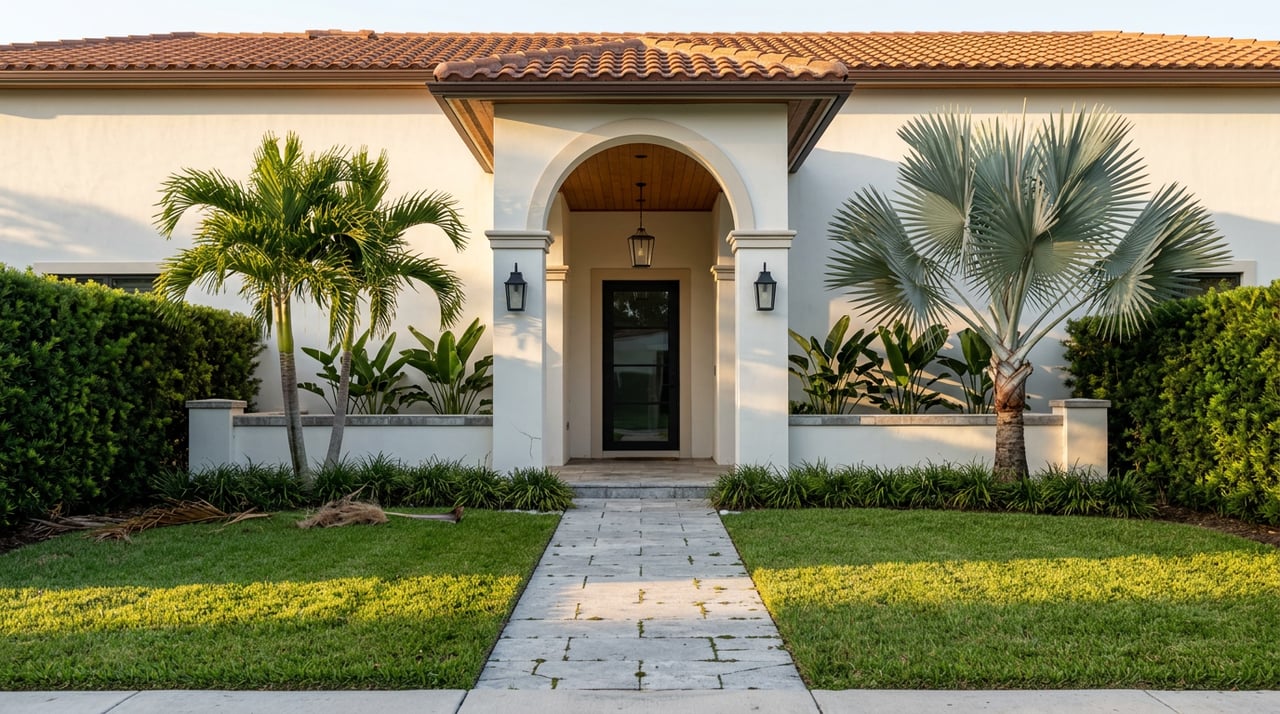
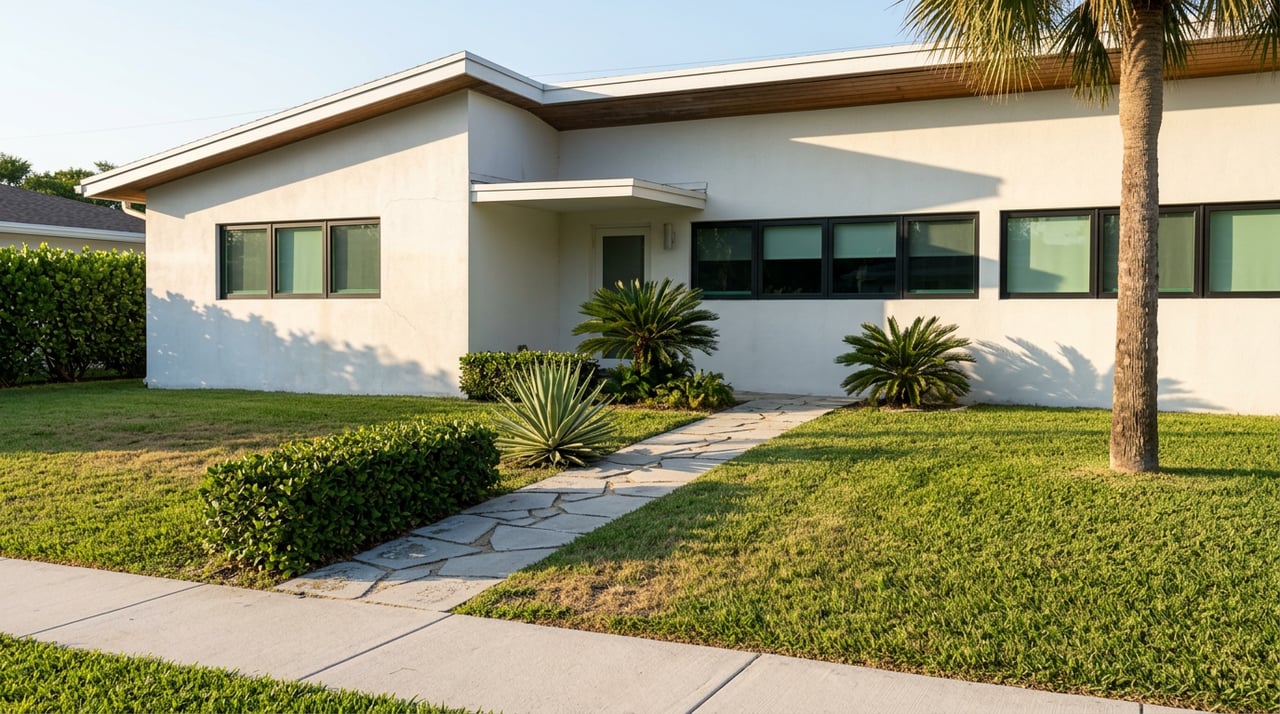
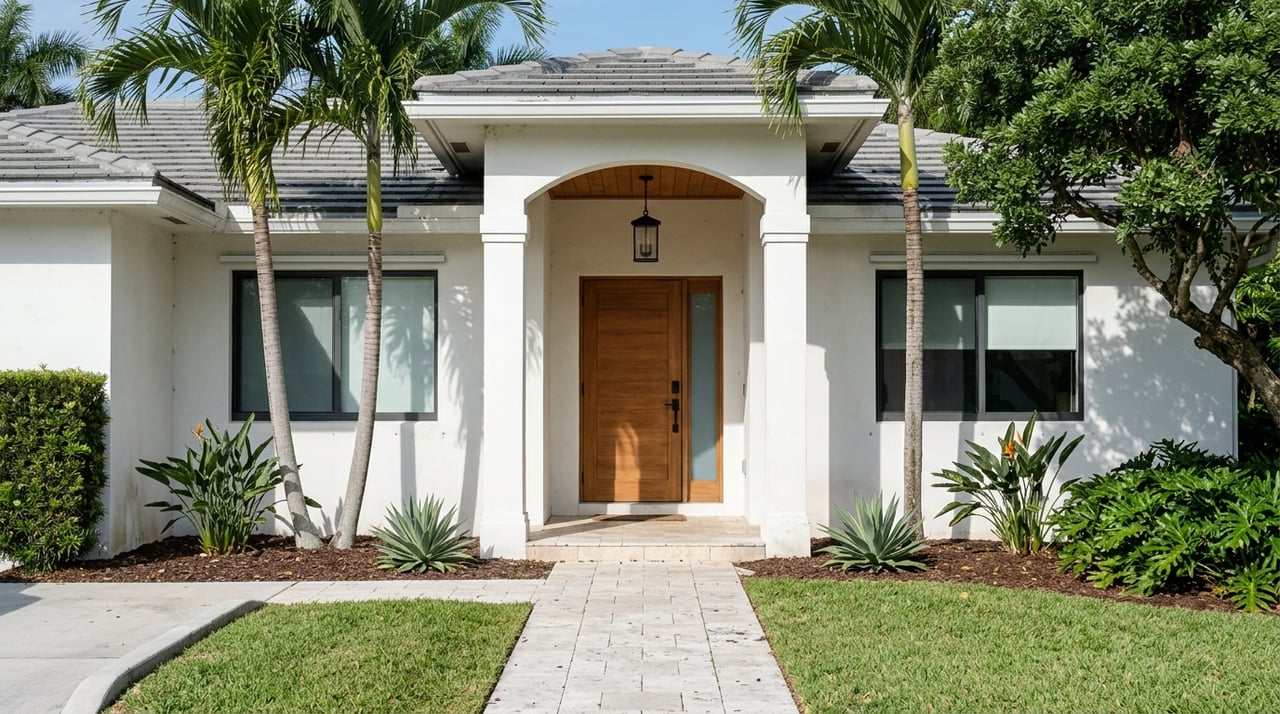
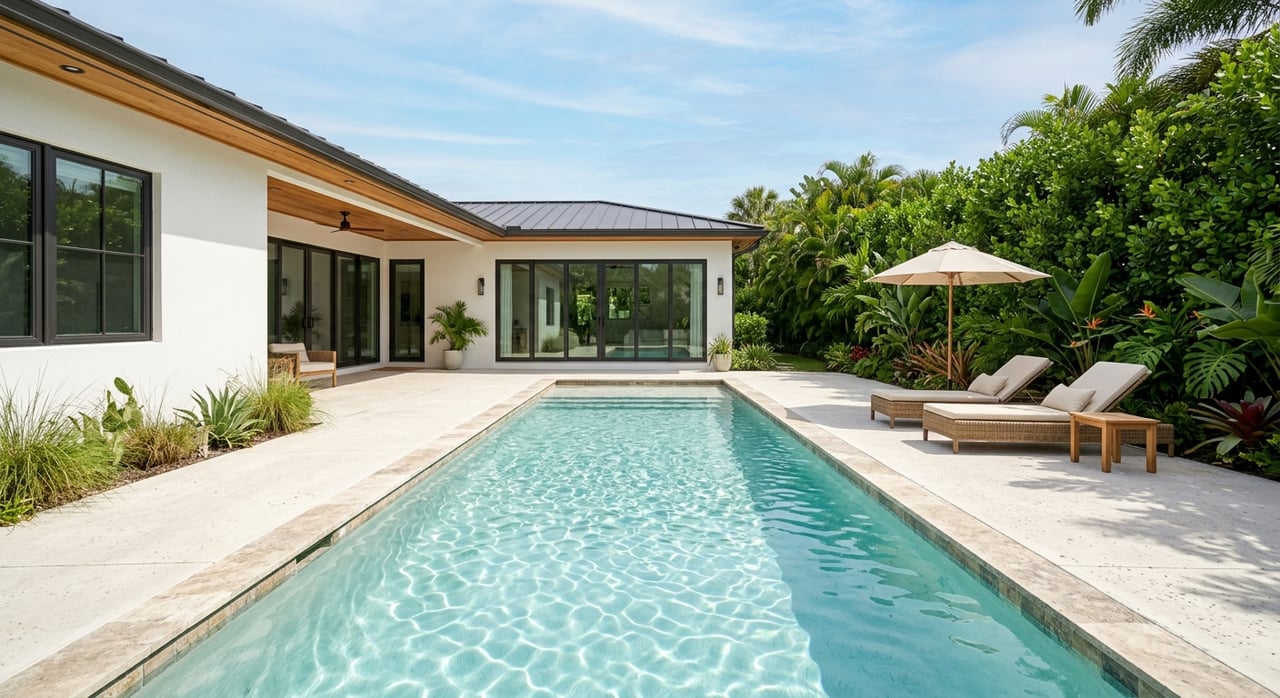
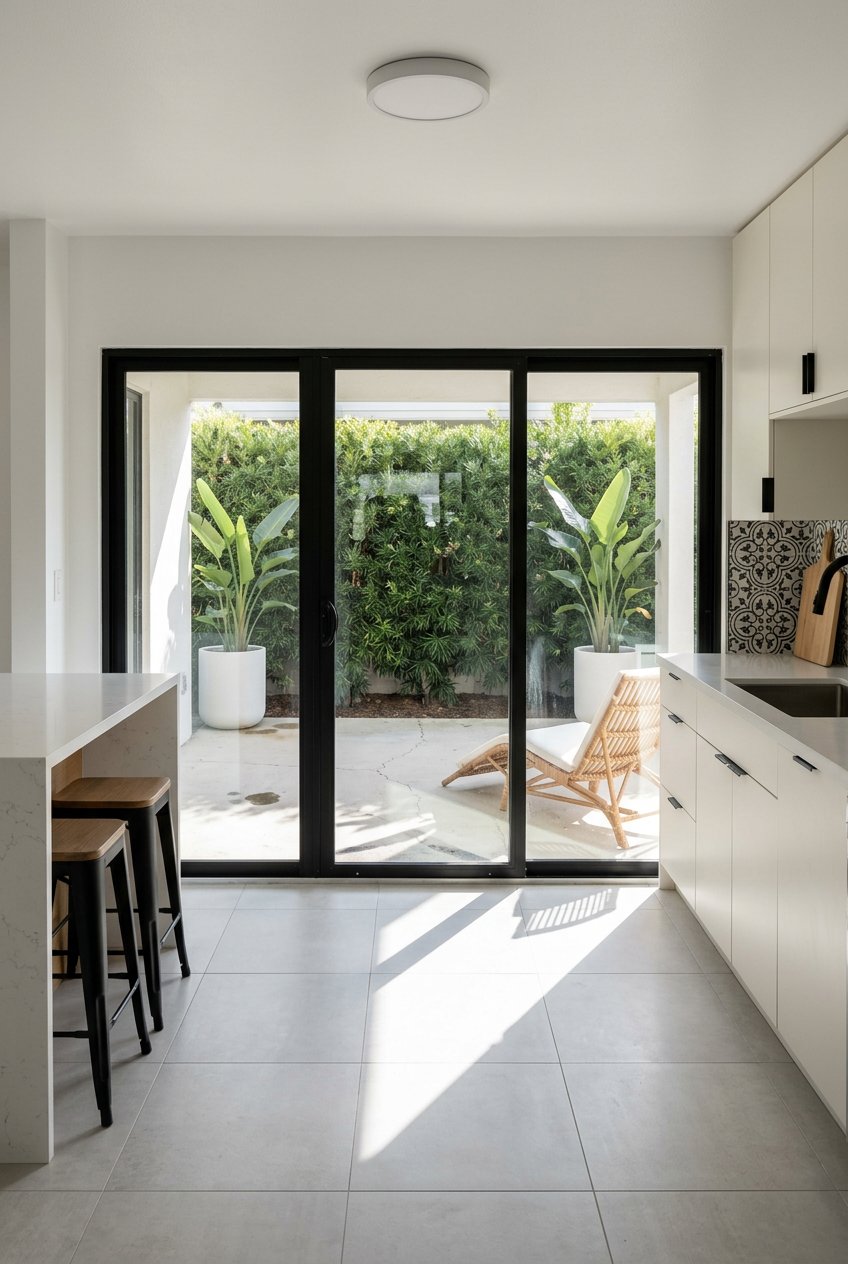
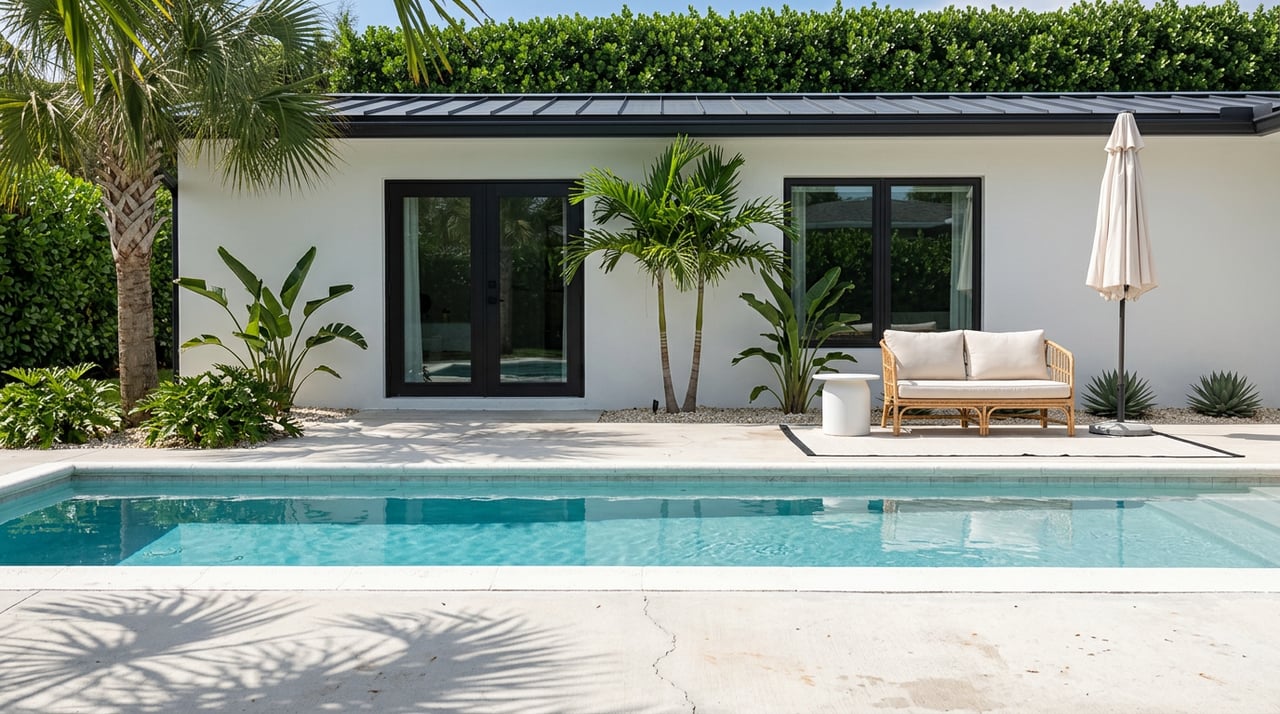
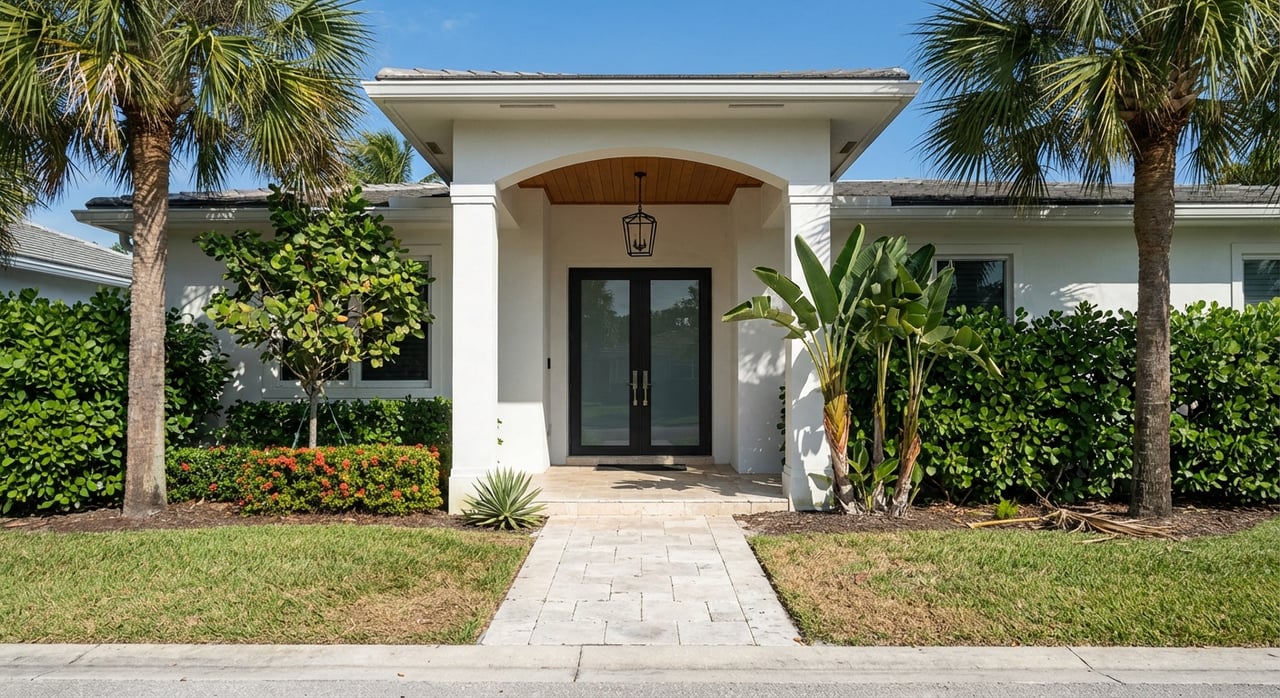
Interior-lot homes can be a strong fit if you want a simpler ownership experience without giving up the Coral Heights location. You may still find updated homes, pools, flexible floor plans, and convenient access to the rest of the Fort Lauderdale area, but with fewer waterfront-specific complications.
For many buyers, interior living offers a more straightforward path to ownership. That can matter if you want to keep monthly carrying costs more predictable or avoid maintenance tied to docks, seawalls, or canal edges.
Interior lots can still command strong prices
As current listings show, interior homes in Coral Heights are not automatically bargain options. Renovated non-waterfront homes can price competitively with canal-front properties, especially when they check the right boxes for condition, design, and usability.
That can be good news if you care more about the house than the shoreline. In some cases, choosing an interior lot may let you focus your budget on finishes, layout, pool space, or long-term improvements rather than marine infrastructure.
You may get more day-to-day privacy
Interior living often appeals to buyers who want a quieter backyard feel. While this depends on the exact lot and home placement, interior properties generally have fewer water-facing sightlines and less boat traffic than canal-front homes.
If your idea of comfort is a private patio, a fenced yard, or lower-maintenance outdoor living, an interior home may feel like the better match. You give up the water view, but you may gain a more contained and easier-to-manage setting.
You can still enjoy boating nearby
Choosing an interior lot does not mean giving up access to boating infrastructure. Oakland Park’s J. Dewey Hawkins Landing offers a public boat ramp, canoe and kayak launch, dock, and trailer parking on the north fork of the Middle River.
That can be a practical middle ground if you want occasional boating or paddling without taking on a waterfront property’s added ownership demands.
Wind mitigation and flood planning
Whether you choose a waterfront or interior home, insurance planning should happen early in your search. The Florida Office of Insurance Regulation says insurers must offer wind-mitigation premium discounts, and the Uniform Mitigation Verification Inspection Form was updated effective April 1, 2026. The form can be valid for up to five years if the structure does not materially change.
That means features such as roof shape, opening protection, and other mitigation items may affect your premium picture. The same source also notes that Citizens requires flood coverage for insured properties with wind coverage in Special Flood Hazard Areas and, beginning January 1, 2026, for outside-SFHA properties valued at $400,000 or more.
In practical terms, your buying decision should include more than the mortgage payment. You should also review:
- Flood zone status
- Existing flood insurance requirements
- Wind-mitigation features
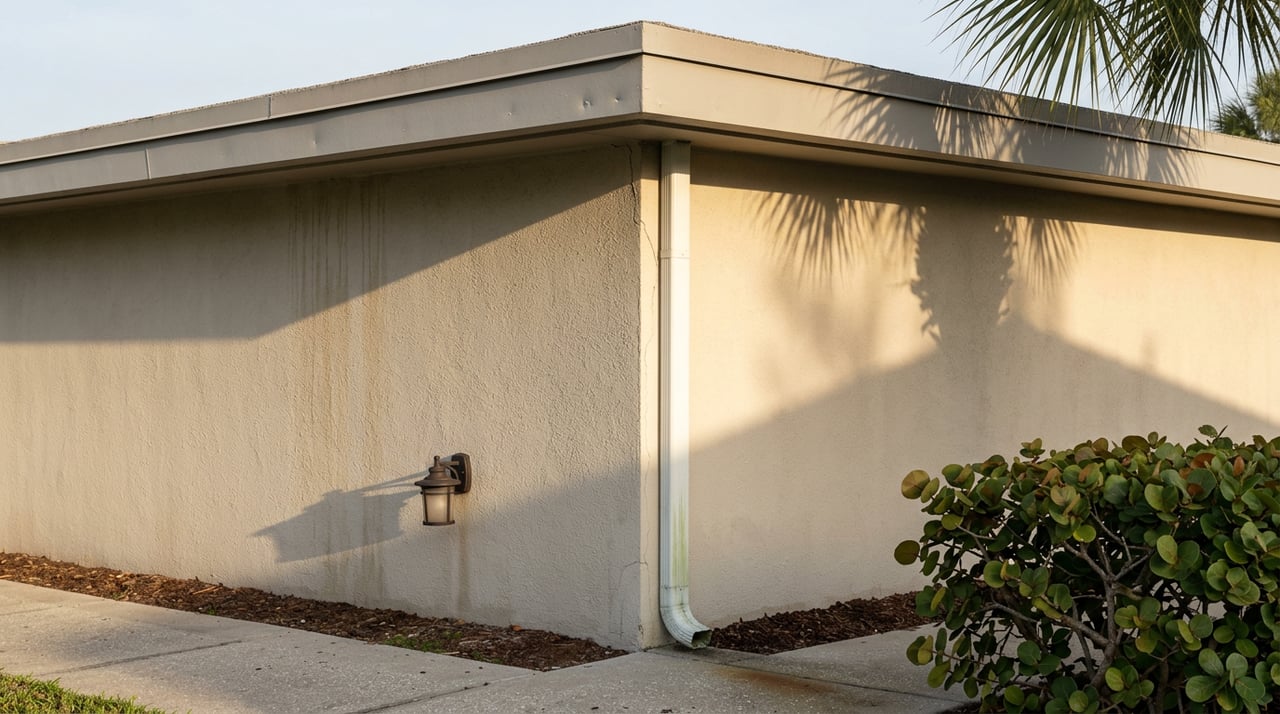
- Age and condition of roof and openings
- Seawall or dock condition, if applicable
Which option fits your lifestyle?
The better choice depends on what matters most to you. Coral Heights offers both lifestyle paths, but they serve different priorities.
Waterfront may fit you if
- You value canal or lake views
- You want private dock potential or direct water access
- You are comfortable verifying boating limitations
- You are prepared for added insurance and maintenance review
- You see the water as part of your daily lifestyle, not just a bonus
Interior may fit you if
- You want simpler ownership
- You prefer fewer water-related maintenance concerns
- You value privacy and predictable upkeep
- You would rather invest in the home’s condition than the lot’s water position
- You still want access to local boating facilities without living on the canal
Resale in Coral Heights
From a resale standpoint, the question is not simply “waterfront or not.” In Coral Heights, resale often comes down to the full package: access, condition, elevation, mitigation features, and how easy the property is for the next buyer to understand and insure.
Based on the current inventory mix and market signals, waterfront homes may attract a more specialized buyer pool. Those buyers can be very motivated, but they may also look more closely at seawall condition, bridge restrictions, flood exposure, and insurance costs.
Interior homes usually appeal to a broader range of buyers. That broader appeal can support resale flexibility, especially when the home is updated and well maintained. In this neighborhood, a strong interior listing can compete surprisingly well when it offers the right layout, finishes, and outdoor space.
Final thoughts on choosing wisely
If you are deciding between waterfront and interior living in Coral Heights, the best move is to match the property to your real lifestyle, not just the headline feature. A canal-front home can deliver a special setting, but only if the access, insurance picture, and maintenance needs fit your comfort level. An interior home can offer strong value, easier ownership, and excellent resale potential, especially when condition is high.
If you want help comparing specific Coral Heights homes, reviewing lot tradeoffs, or narrowing your search based on how you actually live, Trent Head can help you make a confident, informed decision.
FAQs
Is waterfront living in Coral Heights always more expensive than interior living?
- Not always. Current Coral Heights listings show a waterfront premium overall, but some updated interior homes are priced close to canal-front properties depending on size, condition, and features.
Does a Coral Heights waterfront home always have ocean access?
- No. Some waterfront listings in Coral Heights note fixed bridges or no ocean access, so you should verify navigability, bridge clearance, and dock details for any property you are considering.
Do Coral Heights interior homes still offer boating access nearby?
- Yes. Buyers who choose an interior lot can still use nearby public infrastructure like J. Dewey Hawkins Landing for boat launching, kayaking, and trailer parking.
Do Coral Heights homes need separate flood insurance?
- Standard homeowners insurance does not cover flood damage. Depending on the property location, lender requirements, and insurer rules, a separate flood policy may be necessary.
What should you check before buying a Coral Heights waterfront home?
- Review flood zone status, insurance requirements, seawall or dock condition, bridge limitations, navigability, and any permitting issues tied to marine improvements.
Are interior homes in Coral Heights easier to resell?
- In many cases, interior homes may appeal to a broader buyer pool because they often involve simpler upkeep and underwriting, though resale still depends heavily on the home’s condition, pricing, and features.